Choosing the best electric baseboard heater
Because baseboard heaters are typically installed along a wall and left in place, the practical differences matter more than the design details. Some models are better for small rooms or compact spaces, while others are better suited to larger rooms or whole-room comfort. A few options also pair well with smart thermostats, which can help make electric heat easier to manage. The picks below were selected to cover those different needs rather than to crown one universal winner.
Quick Answer
If you need a straightforward hardwired heater, the Cadet F Series 72-inch Electric Baseboard Heater is a solid option for larger rooms that use 120V power. For smaller spaces, the Cadet F Series 36-inch 750W Heater is a more compact choice. If your main goal is better control and lower operating costs, the Mysa Smart Thermostat LITE can be a useful upgrade for compatible electric baseboard systems.
Comparison Table
| Product | Type | Best Use | Key Trade-Off |
|---|---|---|---|
| Cadet F Series 72-inch 1500W | Hardwired baseboard heater | Larger rooms on 120V circuits | Requires a thermostat |
| Cadet F Series 36-inch 750W | Hardwired baseboard heater | Smaller rooms and moderate heating needs | Needs proper thermostat pairing |
| Mysa Smart Thermostat LITE | Smart thermostat | Better scheduling and remote control | Only works with compatible wiring and heaters |
| Comfort Zone CZ650B | Portable baseboard-style heater | Supplemental heat for rooms | Not the same as a permanently installed baseboard unit |
| Stelpro Brava 1500W | Hardwired baseboard heater | Quiet, durable heating for larger spaces | Higher price and thermostat sold separately |
| 48-inch 1000W Baseboard Heater | Hardwired baseboard heater | Mid-size rooms needing moderate output | Basic feature set |
| Comfort Zone CZ600 | Portable baseboard-style heater | Budget-friendly room heating | Less polished than hardwired options |
| Cadet 49-inch Portable Baseboard Heater | Portable baseboard heater | Temporary or movable supplemental heat | More expensive than basic fixed units |
| Cadet F Series 24-inch 350W | Compact hardwired heater | Very small rooms or light heating needs | Limited output |
Our Top Picks
The heaters below are not ranked as a simple best-to-worst list. Each one fits a different situation, from compact rooms to larger spaces and from basic heat control to smarter scheduling. When comparing them, pay attention to room size, voltage, installation style, and whether you want the heater itself or the thermostat to do most of the work.
Cadet F Series 72 in. Electric Baseboard Heater
The Cadet F Series 72-inch model is built for situations where a larger wall-mounted heater makes sense and the room has a 120V setup. At 1500 watts, it offers the kind of output commonly used for bigger rooms or spaces that need steady background heat rather than quick bursts of warmth. It is a hardwired unit, so it fits best in a permanent installation where the wiring and thermostat are planned in advance.
This model stands out because it keeps the design simple and dependable. The all-metal construction, UL listing, and continuous heat output make it a practical fit for homeowners who want a standard electric baseboard heater without extra controls built into the unit. The main trade-off is that it requires a thermostat and installation planning, so it is less convenient than a plug-in supplemental heater.
Pros:
- 1500 watts of output for larger rooms
- Hardwired design works well for permanent installation
- All-metal construction with a durable powder-coated junction box
- UL listed for added safety confidence
- Quiet convection-style heat with no fan noise
Cons:
- Requires a separate thermostat
- Not a plug-in option
If you want a traditional fixed baseboard heater for a room that needs consistent heat, this is one of the more straightforward options. It does not add smart features or built-in controls, but that simplicity can be a benefit in a permanent setup.
Best for: Larger rooms, permanent installation, and homeowners who already plan to use a wall thermostat.
Cadet F Series 36″ Electric Baseboard Heater
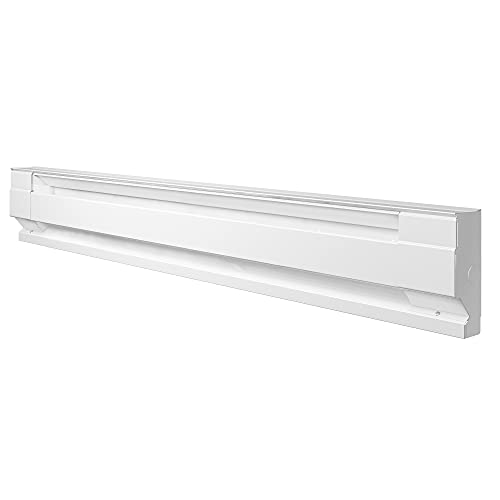
This 36-inch Cadet heater is a compact hardwired option for smaller rooms or spaces that need moderate electric heat. With 750 watts at 120 volts, it is easier to fit into tighter wall sections than longer, higher-output models. It uses the same basic baseboard format many buyers already know, which makes it easier to match with standard residential heating layouts.
It deserves attention because it fills the middle ground between very small heaters and full-length 1500-watt units. That makes it useful when a room does not need aggressive heat but still benefits from a permanent heater rather than a portable appliance. The limitation is that it still needs a thermostat, and the output may not be enough for cold, poorly insulated, or oversized rooms.
Pros:
- Compact 36-inch size for smaller wall spaces
- Moderate 750-watt output for light to medium heating needs
- Hardwired installation supports a permanent setup
- Steel construction with a powder-coated junction box
- UL listed heater
Cons:
- Requires a separate thermostat
- Not suited to large rooms by itself
This is a practical choice when you need a smaller fixed heater and do not want to overbuild the room. It is straightforward, but that also means you will need to rely on the rest of your heating setup for control.
Best for: Small rooms, narrow wall spaces, and basic hardwired heating needs.
Mysa Smart Thermostat LITE for Electric Baseboard Heaters
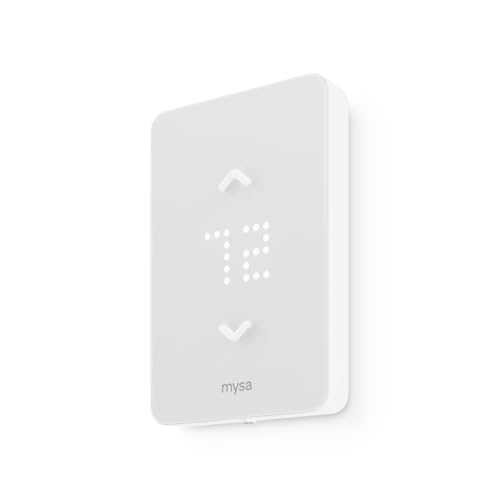
The Mysa Smart Thermostat LITE is not a heater itself, but it can change how a baseboard system performs day to day. It is designed for compatible electric baseboard, fan-forced, wall, and convector heaters using 120V, 208V, or 240V power. For households that already have hardwired electric heat, it adds scheduling, app control, and voice assistant support without requiring a hub.
It belongs on this list because many buyers do not need a different heater as much as they need better control over the one they already have. The ability to adjust schedules, track runtime, and manage temperatures remotely can help reduce waste in rooms that are used irregularly. The main downside is compatibility. If the wiring or heater type does not match, this is not the right solution, and it is only useful for existing electric heating systems.
Pros:
- Works with 120V, 208V, and 240V electric heating systems
- WiFi control with no hub required
- Scheduling and remote access can improve day-to-day convenience
- Compatible with Apple HomeKit, Alexa, and Google Home
- Useful energy tracking and usage reports
Cons:
- Only works with compatible wiring and heaters
- Requires a proper electrical setup before purchase
For people who already use electric baseboard heat, this may be the most practical upgrade in the group. It is especially useful when room temperature control matters more than replacing the heater itself.
Best for: Homeowners who want smarter control, scheduling, and remote access for compatible electric baseboard heat.
Comfort Zone Baseboard Space Heater with Digital Thermostat

The Comfort Zone CZ650B is a portable electric baseboard-style heater aimed at people who want room-by-room supplemental heat rather than a hardwired wall unit. Its 1500-watt output is suited to medium-sized rooms, and the digital thermostat gives it a more modern feel than basic analog models. Because it is movable, it can be used in different rooms without committing to a fixed installation.
This model earns a place here because it offers easy temperature control at a budget-friendly price. The quiet operation and safety features make it appealing for bedrooms or offices, though it is still a portable appliance rather than a built-in heating system. Buyers should also keep in mind that portable heaters are best for supplemental use and do not replace a full baseboard setup in rooms that need permanent heat.
Pros:
- Digital thermostat for easier temperature control
- Quiet operation suitable for bedrooms and offices
- 1500-watt output for medium-sized spaces
- Safety features include overheat protection and tip-over shutoff
- Portable design allows flexible room-to-room use
Cons:
- Not a hardwired baseboard heater
- Less suited to permanent room heating
If you want a low-cost way to add controlled heat to a room without installing wiring, this is a practical option. It is more flexible than fixed baseboard units, though it is also less permanent.
Best for: Supplemental heat in bedrooms, offices, and other medium-sized rooms.
Stelpro Brava Electric Baseboard Heater 1500W
The Stelpro Brava 1500W is a hardwired baseboard heater for buyers who want a more refined fixed installation. It uses convection heat without fans, so the room stays quiet while the heat spreads evenly. The 72-inch length and 1500-watt rating make it suitable for rooms around the 150-square-foot range, assuming the installation and insulation levels are appropriate.
It stands out for build quality details that matter in long-term use, including rounded corners, a one-piece cabinet design, and thermal protection with automatic reset. The optional thermostat kits also make it more flexible than some basic fixed heaters, although those accessories add to the total cost. This is a stronger fit for buyers who want a durable, quiet heater and are comfortable with hardwired installation.
Pros:
- Quiet convection heating with no fan noise
- 1500-watt output for moderate to larger spaces
- Thermal protection with automatic reset
- Durable steel construction and clean one-piece cabinet design
- Thermostat options offer installation flexibility
Cons:
- Hardwired installation required
- Thermostat is sold separately
This is a good choice if you want a quieter, more polished heater and do not mind paying more for the build quality. It fits best in rooms where the unit will stay in place for years.
Best for: Quiet permanent heating in bedrooms, offices, and other medium to larger rooms.
48-inch Electric Baseboard Heater, 1000W, 120V

This 48-inch baseboard heater sits in the middle of the pack for size and output. With 1000 watts at 120 volts, it offers a useful step up from smaller compact heaters without moving all the way to a full 1500-watt unit. That makes it a sensible option for rooms that need moderate, steady heat and have enough wall space for a mid-length installation.
Its appeal is mostly practical. It gives readers a conventional hardwired heater with straightforward specifications, which is often what people want when replacing an existing baseboard unit. The trade-off is that it does not add built-in control features, so it is best suited to buyers who already have a thermostat strategy in place and mainly need a reliable heating element.
Pros:
- Mid-size 48-inch format
- 1000-watt output suits many medium rooms
- 120V design fits common residential setups
- Simple replacement option for existing baseboard systems
- Quiet operation with convection-style heat
Cons:
- No built-in thermostat
- Less output than a full 1500-watt unit
For homeowners replacing an older heater, this is a sensible middle-ground option. It is not flashy, but it covers the basics well when the room size and electrical setup match.
Best for: Medium-sized rooms and replacement projects that need a simple 120V baseboard heater.
Comfort Zone Electric Baseboard Space Heater CZ600

The Comfort Zone CZ600 is a budget-friendly portable baseboard-style heater for people who need supplemental heat in a single room. It uses a 1500-watt convection design with an adjustable thermostat and two heat settings, which gives it enough control for everyday use in bedrooms, home offices, and similar spaces. Since it is not hardwired, it is easier to move than a fixed wall heater.
It belongs in this guide because many buyers want the function of a baseboard heater without the installation work. The safety features are helpful, especially for households that prefer a heater with tip-over and overheat protection. The compromise is that it is still a portable unit, so it does not replace the clean, built-in look or permanence of a real hardwired baseboard heater.
Pros:
- Low price for a 1500-watt room heater
- Adjustable thermostat with two heat settings
- Quiet operation
- Overheat protection and tip-over switch
- Portable format for flexible use
Cons:
- Not a true hardwired baseboard unit
- Less suitable for permanent room heating
If the main goal is affordable supplemental heat, this model makes sense. It is not the most refined option, but it covers the basics at a reasonable price.
Best for: Budget-conscious buyers who need portable supplemental heat.
Cadet F Series 49″ Portable Electric Baseboard Heater

The Cadet 49-inch portable model is aimed at buyers who want the shape and feel of a baseboard heater but need mobility. At 1500 watts and 120 volts, it has enough output for room-by-room supplemental heat, and the longer cabinet helps it resemble a traditional baseboard unit more closely than small portable heaters do. It is especially useful where temporary placement matters more than a fixed installation.
This heater is worth considering because it combines a familiar baseboard profile with portability. That makes it useful for renters, seasonal rooms, and spaces where you may want to move heat from one area to another. The drawback is price. It costs more than some simpler fixed units, and portability also means it is not the right answer if you want a permanent wall-mounted system.
Pros:
- 1500-watt output for strong supplemental heat
- Portable design offers more placement flexibility
- Long cabinet better matches traditional baseboard styling
- 120V compatibility simplifies power requirements
- Useful for temporary or changing room setups
Cons:
- More expensive than some fixed baseboard heaters
- Not intended for permanent wall mounting
This is a niche option, but it has a clear use case. If you need heat in different rooms at different times, portability may matter more than a fixed installation.
Best for: Renters, temporary spaces, and users who want movable baseboard-style heat.
Cadet F Series 24″ Electric Baseboard Heater

The Cadet F Series 24-inch model is the smallest and least powerful fixed heater in this group, which makes it useful for tight spaces or rooms with only light heating needs. With 350 watts at 240 volts, it is meant for modest warmth rather than heavy-duty heating. That smaller output also makes it easier to place where wall space is limited.
It earns a place here because some projects do not call for a larger heater. A compact model like this can be enough in a small room, entry area, or other space where you only need to take the chill off. The trade-off is obvious. The low wattage limits how much heat it can provide, so it should not be chosen for larger or poorly insulated rooms.
Pros:
- Compact 24-inch size
- Low wattage works for smaller heating jobs
- Hardwired setup for a neat permanent installation
- Steel construction
- Good fit where wall space is tight
Cons:
- Very limited heating output
- Not suitable for larger rooms
This model is best seen as a small-space solution. It is not meant to do the work of a full-size heater, but it can be a reasonable fit when the room and heating demand are modest.
Best for: Compact rooms, small additions, and light supplemental heat.
Buying Guide
When comparing electric baseboard heaters, start with the room itself. Measure the space, check the insulation level, and confirm whether the room uses 120V, 208V, or 240V power. A heater that is too small will struggle to keep up, while one that is too large can be more expensive to operate than necessary. The thermostat arrangement matters too, since some heaters require a separate wall thermostat and others work better with smart controls.
Installation style is another important factor. Hardwired heaters are a better fit for permanent room heating, especially in bedrooms, basements, and additions that need steady warmth. Portable baseboard-style heaters can be useful for supplemental heat, but they are not the same as a fixed baseboard system. Noise is usually low with convection models, which is one reason these heaters remain popular in living spaces and offices. Safety features, build quality, and warranty coverage are also worth checking before you buy.
Frequently Asked Questions
How do I know what size electric baseboard heater I need?
Start with room size, ceiling height, insulation quality, and local climate. A small, well-insulated room needs far less heat than a drafty basement or large addition. Voltage also matters, since 120V and 240V heaters are not interchangeable in the same way. When in doubt, match the heater to the room’s electrical setup and choose the output that fits the space instead of buying the largest unit available.
Are electric baseboard heaters expensive to run?
They can be, depending on electricity rates and how often they run. They are usually most economical when used for targeted room heating rather than heating an entire home. Smart thermostats and careful scheduling can help reduce waste, especially in rooms that are not occupied all day.
Do electric baseboard heaters need a thermostat?
Many hardwired models do. Some require a separate wall thermostat, while others work with optional built-in controls or smart thermostats. A thermostat is important for comfort and energy control, so it should be part of the plan, not an afterthought.
Can I install a baseboard heater myself?
Some homeowners handle replacement projects, but hardwired electrical work should only be done if you understand local code and wiring requirements. If you are unsure about circuit load, thermostat wiring, or voltage, a licensed electrician is the safer choice.
Conclusion
The right electric baseboard heater depends on how much space you need to warm and how permanent the installation will be. For a straightforward fixed unit, the Cadet 72-inch model covers larger rooms well, while the 36-inch Cadet is better suited to smaller spaces. If control and efficiency matter more than replacing the heater itself, the Mysa smart thermostat can make an existing setup easier to live with. Matching the heater to the room is the most reliable way to get comfortable heat without overspending.