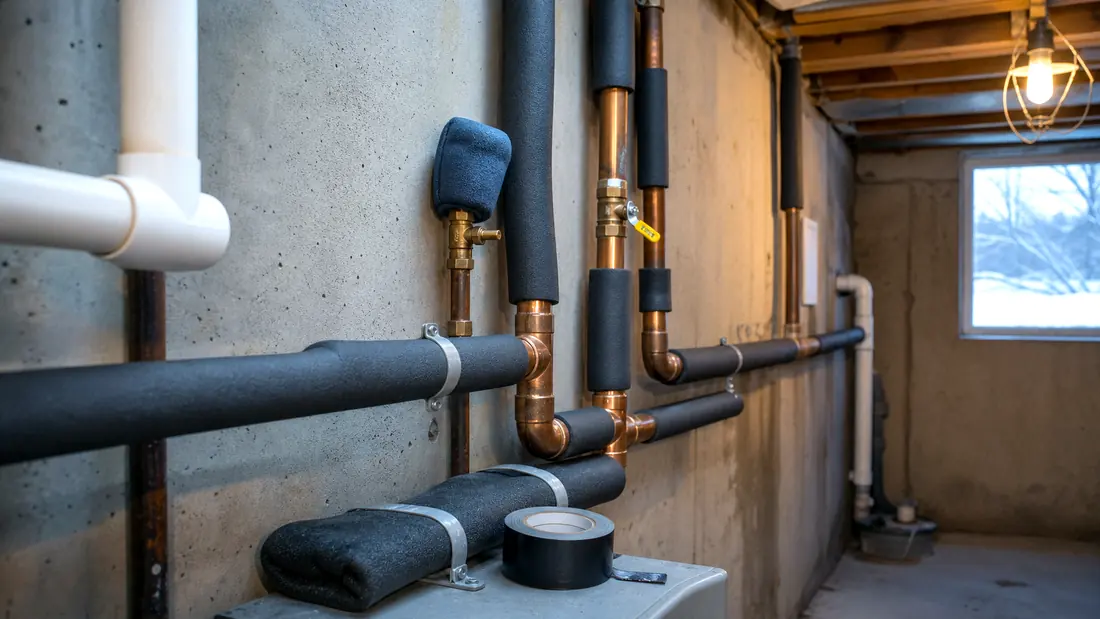
Keeping pipes insulated is one of those small maintenance tasks that can prevent bigger problems later. In cold weather, insulation helps reduce heat loss and lowers the risk of freezing. In warm or humid conditions, it can also limit sweating on cold water lines and HVAC pipes. The right product depends on the pipe size, location, and whether you are insulating indoor plumbing, outdoor exposed lines, or HVAC components.
If you are trying to choose the best pipe insulation for a specific job, it helps to compare the material, fit, installation method, and outdoor durability instead of focusing on price alone. Foam sleeves are usually the simplest option for straight indoor runs. Wraps and tapes are more flexible for irregular shapes, elbows, and outdoor sections. For larger HVAC lines or exposed copper tubing, a heavier cover may make more sense. The picks below were selected to cover those different use cases so you can match the insulation to the pipe, not the other way around.
Quick Answer
For most indoor plumbing, Duck Brand Foam Pipe Covers are a practical starting point because they are easy to install on common pipe sizes. If you need a flexible wrap for outdoor lines, DEMEDO Pipe Insulation Tape offers more shape coverage. For exposed HVAC copper tubing, Outdoor HVAC Copper Pipe Insulation Cover is a better fit than standard foam sleeves.
Comparison Table
| Product | Best Use | Key Strength | Main Limitation |
|---|---|---|---|
| Duck Brand Foam Pipe Covers | Indoor hot and cold water pipes | Simple pre-slit foam sleeves | Limited length and pipe-size range |
| DEMEDO Pipe Insulation Tape | Outdoor pipes, elbows, and irregular shapes | Flexible wrap coverage | Requires careful wrapping for best results |
| Outdoor HVAC Copper Pipe Insulation Cover | Outdoor HVAC line sets | Weather-focused layered cover | More specialized than general pipe foam |
| Pipe Insulation Foam Tube for Pipe Freeze & Sharp Edge Protection | 1 inch ID pipe runs and edge protection | Closed-cell style foam with wider temperature range | Size must be checked carefully |
| K-FLEX USA 3/4" x 6 ft. Elastomeric Pipe Insulation | Plumbing, HVAC, and commercial-style use | Brand-name elastomeric insulation | Higher price than basic foam sleeves |
| GDGJWL 6PCS Pipe Insulation Cutting Guide | Cutting insulation to size | Makes clean, consistent cuts | It is a tool, not insulation |
| Insulation Foam Pipe Used for air Conditioning Pipe Insulation | Larger 1.5 to 2 inch outside diameter pipes | Fits bigger pipe sizes | Bulky for small residential runs |
| 10 Pcs Pipe Insulation Foam Tube | Small outdoor pipes and sprinkler lines | Pre-slit, self-adhesive design | Best only for smaller pipe diameters |
How these picks compare
These products are not arranged as a simple ranking from best to worst. Each one serves a different job, and the right choice depends on whether you need indoor freeze protection, outdoor weather resistance, flexible wrap coverage, or a better fit for larger HVAC tubing. The list also includes one cutting guide because a clean installation often depends on having the right tool, not just the right material.
Our top picks
Duck Brand Foam Pipe Covers

Duck Brand Foam Pipe Covers are the straightforward option for standard indoor pipe insulation. The pre-slit foam tubes are designed to open easily and seal along the edge, which makes them easier to install than cut-to-fit material. They are sized for common 1/2-inch to 3/4-inch pipes and can handle both hot and cold water lines, so they are useful in basements, crawl spaces, utility rooms, and other sheltered areas where the pipes run in a fairly straight line.
This product earns attention because it covers the basics without making installation complicated. The 6-foot total length is enough for small projects, and the R-value of 3.6 is reasonable for a simple foam sleeve. It is not the right choice for oversized pipes or very exposed outdoor sections, but for routine indoor use it is one of the more practical and familiar formats. Homeowners who want a simple, low-fuss solution will likely find it easier to work with than wraps or bulkier covers.
Pros:
- Pre-slit design makes installation faster on straight pipe runs
- Fits common 1/2-inch to 3/4-inch pipe sizes
- Works on both hot and cold water pipes
- Useful for reducing freezing and condensation in indoor spaces
- Compact, simple format for small repair jobs
Cons:
- Only 6 feet total, so it is not ideal for larger projects
- Less flexible than wrap-style insulation around tight bends
- Best suited to indoor or sheltered use rather than harsh outdoor exposure
If you need a basic foam sleeve for standard pipes and want something that goes on quickly, this is a sensible place to start. It handles routine insulation jobs well, but it is not designed for every pipe size or every weather condition.
Best for: Indoor plumbing, basement pipes, and small freeze-prevention projects on standard pipe sizes.
DEMEDO Pipe Insulation Tape

DEMEDO Pipe Insulation Tape is aimed at situations where a rigid foam sleeve does not fit well. Instead of sliding over the pipe, this self-adhesive foam tape wraps around it, which gives it more flexibility on elbows, bends, and uneven sections. The 16.5-foot roll is long enough for more involved coverage, and the 2-inch width helps create a fuller wrap around exposed outdoor pipes, AC lines, and other areas that need extra protection from weather.
Its main advantage is adaptability. Many pipe insulation products work well only on straight sections, but this one can be cut to size and shaped around irregular lines. That makes it useful for outdoor plumbing and HVAC-related lines where wind, sun, rain, and freezing temperatures all matter. It is not as neat or uniform as a molded sleeve, and the final result depends on careful wrapping, but it fills an important gap for people dealing with awkward pipe layouts or exposed sections that need more coverage than a basic tube can provide.
Pros:
- Flexible enough to wrap elbows and irregular shapes
- Long 16.5-foot roll offers good coverage
- Self-adhesive backing reduces the need for extra glue
- Useful for outdoor exposure and weather protection
- Can be trimmed to fit different pipe layouts
Cons:
- Installation depends on careful wrapping for best performance
- Less tidy than a fitted foam sleeve on straight pipes
- May be more than needed for simple indoor plumbing
This is a good option when you need flexibility more than a standard sleeve. It works best on exposed pipe runs where the shape is irregular and the environment is tougher than a typical indoor utility room.
Best for: Outdoor pipes, HVAC lines, and curved sections that need wrap-style insulation.
Outdoor HVAC Copper Pipe Insulation Cover
This HVAC insulation cover is designed for outdoor copper line sets rather than general plumbing. The three-layer build combines a waterproof Oxford outer shell, a middle cushioning layer, and an inner insulating foil layer. That structure makes more sense for mini-split systems, heat pumps, and similar outdoor equipment where the goal is not just thermal protection, but also defense against sunlight, moisture, and winter exposure. The 72-inch by 10.2-inch size gives it enough reach for many line-set applications.
What separates it from standard foam pipe sleeves is the focus on outdoor durability. HVAC line sets are often exposed to conditions that shorten the life of basic insulation, especially direct sun and repeated temperature swings. This cover is built for those situations and uses fastening strips for easier removal and reuse. It is more specialized than a general foam product, so it is not the first choice for ordinary indoor plumbing. For homeowners trying to protect outdoor AC line sets, though, it addresses a more specific problem than a basic tube can solve.
Pros:
- Three-layer construction suits outdoor HVAC exposure
- Good option for mini-split and heat pump line sets
- Fastening strips make installation and removal simpler
- Designed to help resist sunlight and weather damage
- Reusable in situations where access to the line set is needed
Cons:
- More specialized than general-purpose pipe insulation
- Not needed for most indoor plumbing applications
- May be larger than necessary for short or simple pipe runs
For outdoor HVAC copper tubing, this kind of cover is more practical than a standard foam sleeve. It is aimed at weather protection as much as insulation, which makes it a better match for exposed equipment lines.
Best for: Outdoor mini-split line sets, heat pump tubing, and exposed HVAC copper pipes.
Pipe Insulation Foam Tube for Pipe Freeze & Sharp Edge Protection
This foam tube is built around a 1-inch inner diameter, so the first thing to check is whether your pipe size truly matches. When it does fit, the closed-style foam construction gives it a more solid insulation profile than some lighter sleeves, and the nitrile rubber material is meant to handle a wide temperature range from below freezing to high heat. That makes it useful not only for pipe freeze protection, but also for protecting sharp edges and adding a layer of cushioning where a pipe or surface might be bumped.
It deserves attention because it covers a broader temperature range than many simple foam options and uses a non-absorbent, flame-retardant material. The trade-off is that accuracy matters more here than with adjustable wrap products. If the diameter is wrong, the product will not perform as intended. For users who already know they need a 1-inch ID tube and want a tougher insulating material, it is a reasonable choice. It is especially useful in mechanical spaces, utility areas, or anywhere the pipe may be exposed to contact or abrasion.
Pros:
- Nitrile rubber foam offers a durable insulating material
- Wide working temperature range
- Non-absorbent and flame-retardant construction
- Useful for both insulation and edge protection
- Can be cut to the length needed
Cons:
- Requires an accurate 1-inch inner diameter match
- No pre-cut slit, so installation takes more effort
- Not as convenient as pre-slit sleeves for quick jobs
This is a stronger fit for users who want a more durable foam tube and know their measurements. It is less forgiving than wrap-style products, but it gives solid coverage once the sizing is right.
Best for: 1-inch pipe runs, mechanical rooms, and installations that need both insulation and surface protection.
K-FLEX USA 3/4" x 6 ft. Elastomeric Pipe Insulation
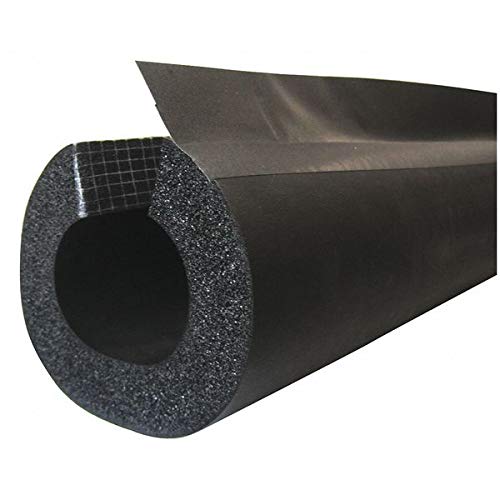
K-FLEX USA elastomeric pipe insulation is a more industrial-style option than many of the basic foam sleeves in this category. The brand name matters here because K-FLEX is widely associated with insulation materials, and this product is aimed at users who want a familiar elastomeric solution for plumbing, HVAC, or commercial applications. The 3/4-inch by 6-foot format fits a common pipe size, and the material is intended to support temperature control while holding up to regular use.
Its place in the lineup comes from the balance between reputation and practicality. Compared with generic foam sleeves, elastomeric insulation is often chosen when the user wants a more robust material and is willing to pay a little more for it. It is not the cheapest option, and the product details here are less simple than some of the smaller DIY picks, but that also reflects its broader usefulness in residential and light commercial settings. It suits buyers who prefer a known insulation brand and want something that feels less disposable than a low-cost sleeve.
Pros:
- Recognized insulation brand with a strong product reputation
- Suitable for plumbing, HVAC, and some commercial uses
- Elastomeric material is built for durability
- Common 3/4-inch size fits many applications
- Good choice for users who want a more substantial insulation type
Cons:
- Costs more than basic foam sleeves
- Not as simple or approachable as pre-slit options
- May be more insulation than a small household repair needs
If you want a more established insulation material and do not mind spending a little more, this is a solid option. It is less of a quick fix and more of a durable utility product.
Best for: Buyers who want elastomeric insulation for plumbing, HVAC, or light commercial applications.
GDGJWL 6PCS Pipe Insulation Cutting Guide

This is not pipe insulation itself, but it is useful enough to include for people doing their own installation work. The kit includes several molded cutting fixtures for different diameters, along with a tape measure, so you can size insulation more accurately before cutting. That matters when you are working with foam tubing or similar materials, because a poor cut can leave gaps, waste material, or make installation more frustrating than it needs to be.
Its value is in precision and repeatability. If you regularly install pipe insulation on HVAC or plumbing runs, a guide like this can make your cuts cleaner and your process faster. It is less relevant for someone insulating a single short pipe at home, but it becomes more useful when the job involves multiple diameters or repeated cuts. For readers who care about fit and finish, this tool can improve the result of whichever insulation material they choose.
Pros:
- Helps produce cleaner, more consistent insulation cuts
- Includes multiple cutter sizes for different pipe diameters
- Useful for HVAC, plumbing, and refrigeration work
- Lightweight and easy to store in a tool bag
- Can reduce waste from poorly sized cuts
Cons:
- It is a tool, not insulating material
- Less useful for one-time, small household projects
- Only matters if you are cutting insulation yourself
For frequent installers, this is a practical helper rather than a replacement for insulation. It is worth considering if your project requires accurate sizing and repeated cuts.
Best for: DIY installers, HVAC work, and anyone cutting insulation to fit multiple pipe sizes.
Insulation Foam Pipe Used for air Conditioning Pipe Insulation

This foam pipe is sized for larger applications, with an inside diameter intended for pipes up to 2 inches in outside diameter. That makes it a better match for some HVAC lines, broader outdoor pipe runs, and other oversized tubing where standard residential sleeves are too small. The product also emphasizes weather resistance and flame retardant properties, which are helpful traits for exposed areas that may see sun, moisture, and temperature swings.
It earns a spot here because larger pipe sizes are easy to overlook when shopping for insulation. Many common foam tubes are aimed at smaller plumbing lines, but this one covers a wider range and includes a note about using lubricant or water to help with installation. That matters because a tight fit can make setup difficult. It is not the most convenient choice for small household pipe work, but if your pipes are outside the usual residential range, it fills a useful gap that standard sleeves may not cover.
Pros:
- Fits larger pipe diameters up to 2 inches outside diameter
- Suitable for some HVAC and outdoor pipe applications
- Weather resistant and flame retardant
- Can serve more than one purpose, including edge padding
- Useful where standard foam sleeves are too small
Cons:
- Too large for many typical household plumbing jobs
- May take extra effort to slide onto the pipe
- Less efficient for small, standard pipe runs
If your project involves larger tubing, this is a more relevant option than common small-diameter sleeves. It is specialized, but that is exactly why it belongs in the list.
Best for: Larger HVAC lines, outdoor pipes, and users who need insulation for bigger diameters.
10 Pcs Pipe Insulation Foam Tube

This 10-piece foam tube set is aimed at smaller outdoor pipes and fittings, especially where a self-adhesive wrap is convenient. The pre-slit design makes it easier to place over pipes in the 3/4-inch range or smaller, and the fiberglass aluminum film exterior adds a little more weather protection than bare foam alone. Because it comes in short pieces, the kit is better suited to several small sections than one long continuous run.
What sets it apart is the combination of quantity and convenience. For homeowners insulating spigots, sprinkler parts, water heater connections, or other small exposed lines, the individual pieces are easier to manage than a long roll. It is not the right choice for large pipe diameters or extensive coverage, but for smaller outdoor jobs it can be a practical mix of insulation and frost protection. It also gives you spare pieces for replacement or future repairs, which is useful when the job may need touch-ups later.
Pros:
- Pre-slit design makes installation easier
- Self-adhesive backing helps hold the wrap in place
- Good quantity for multiple small pipe sections
- Suitable for small outdoor pipes and spigots
- Can be cut to fit shorter runs
Cons:
- Only suited to smaller pipe diameters
- Short pieces are not ideal for long continuous runs
- Less appropriate for heavy-duty HVAC or large plumbing applications
This is a useful small-parts solution rather than a broad coverage product. It makes the most sense when you need quick protection for several narrow outdoor lines.
Best for: Small outdoor pipes, sprinkler parts, and short freeze-protection runs.
Buying guide
The most important step in choosing pipe insulation is matching the product to the pipe itself. Measure the pipe diameter before you buy, then think about where the pipe sits. Indoor plumbing in a basement usually does well with simple foam sleeves. Outdoor pipes need stronger weather resistance, especially if they are exposed to sun or wind. HVAC line sets often need a product made specifically for that kind of tubing, not just general-purpose foam.
Installation method matters too. Pre-slit sleeves are easier for beginners and quick repairs. Wraps and tapes can handle bends and odd shapes better, but they take more care to install evenly. Closed foam tubes can offer a more solid fit, though they usually require more accurate sizing. If you are cutting insulation often, a cutting guide can save time and reduce waste.
Material is another practical factor. Basic foam is fine for many home jobs, but elastomeric or layered outdoor covers may last longer in harsher conditions. For exposed pipes, look at resistance to moisture, sunlight, and temperature swings. For indoor pipes, focus more on fit, ease of installation, and whether the insulation will help reduce freezing or condensation without adding unnecessary bulk.
Common mistakes to avoid
- Buying without checking the pipe diameter first
- Using an indoor foam sleeve on a pipe that is exposed to weather
- Choosing a wrap product but not sealing it carefully
- Ignoring bends, elbows, and fittings that may need flexible coverage
- Assuming more insulation is always better, even when the size is wrong
Frequently asked questions
What type of pipe insulation works best indoors?
For most indoor plumbing, pre-slit foam sleeves are the easiest to install and usually provide enough protection for freeze reduction and condensation control. They work especially well on straight pipe runs.
Should outdoor pipes use different insulation?
Yes. Outdoor pipes are exposed to sun, wind, rain, and colder temperatures, so wrap-style insulation or weather-rated covers are often a better fit than basic indoor foam sleeves.
How do I know what size to buy?
Check the pipe’s outer diameter and compare it carefully with the product listing. Some products are listed by inside diameter, while others are sized for the outside diameter they can cover.
Is thicker insulation always better?
Not necessarily. A product only works well if it fits correctly and is suited to the environment. A properly sized basic sleeve may perform better than a thicker product that does not fit the pipe or seal well.
Final recommendations
If you want the simplest answer for standard indoor pipes, Duck Brand Foam Pipe Covers are the easiest place to begin. If your pipes are outdoors or irregularly shaped, DEMEDO Pipe Insulation Tape gives you more flexibility. For exposed HVAC copper lines, the Outdoor HVAC Copper Pipe Insulation Cover is the more targeted choice. The right product is the one that matches the pipe size, location, and weather conditions you are dealing with.