Using a space heater safely is mostly about placement, power use, and everyday habits. The heater itself matters, but so does where you set it, what it sits near, and whether the electrical outlet can handle the load. Many accidents happen when people treat a small heater like a harmless appliance instead of a high-heat device that needs clear space and regular attention.
Short Answer
Good space heater safety starts with three basics: place the heater on a flat, stable surface, keep it away from anything that can burn, and plug it directly into a wall outlet. From there, use built-in safety features such as tip-over shutoff, overheat protection, and thermostats, but do not rely on them as a substitute for careful use.
Why space heater safety matters
Space heaters are useful because they heat a small area without raising the temperature of the whole home. That efficiency can come with risk if the heater is too close to curtains, bedding, furniture, or clutter. The same is true for overloaded power strips, damaged cords, or unsafe placement on rugs and uneven floors.
Safety also matters because many people use heaters in bedrooms, offices, dorm rooms, and small living spaces. Those are often places where cords, fabrics, papers, and people move around a lot. A heater that is safe in one room can become a problem in another if the setup is careless.
Core safety rules to follow
- Keep clear space around the heater. Follow the manufacturer’s clearance guidance, and give it extra room around bedding, drapes, paper, and clothing.
- Set it on a hard, level surface. Avoid placing heaters on beds, sofas, carpet edges, or unstable furniture.
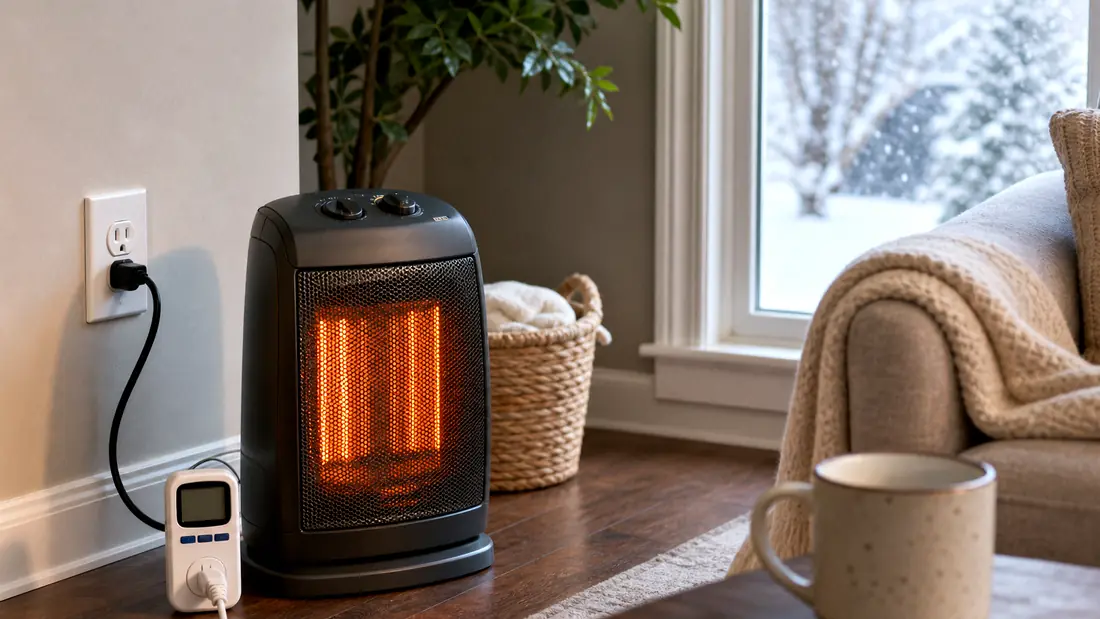
- Plug it directly into the wall. Do not use extension cords, power strips, or outlet splitters unless the manual specifically allows it.
- Never leave it unattended for long periods. Turn it off when you leave the room or go to sleep unless the manual says it is approved for that use.
- Inspect the cord and plug regularly. If you see fraying, melting, looseness, or discoloration, stop using it.
Choose a heater with the right safety features
Some heater features help reduce risk, especially for daily indoor use. Tip-over protection is useful because it shuts the heater off if it falls or is bumped. Overheat protection is another important feature because it can stop the unit if internal temperatures climb too high. A cool-touch exterior can also be helpful, especially in homes with children or pets.
For room use, an adjustable thermostat can make heating more consistent and reduce unnecessary runtime. Timers and remote controls are convenient too, but they should be treated as convenience features, not safety features. When comparing products, look for clear safety information in the manual and avoid any model that gives vague or incomplete guidance about clearance, placement, or electrical limits.
Common mistakes to avoid
- Running a heater near curtains, blankets, or upholstered furniture
- Using an extension cord or power strip to reach a farther outlet
- Putting the heater on a soft surface or in a spot where it can be kicked
- Covering the heater or drying clothing on it
- Using it in damp areas unless the product is specifically rated for that setting
- Ignoring a tripped breaker, hot plug, or unusual smell
Room-by-room safety considerations
Bedrooms
Bedrooms need special caution because people often fall asleep with the heater running. Keep it well away from the bed, bedding, and curtains, and use a timer or thermostat if you need more control. If you are using one overnight, choose a model with dependable overheat and tip-over protection, but still follow the manual closely.
Home offices and desks
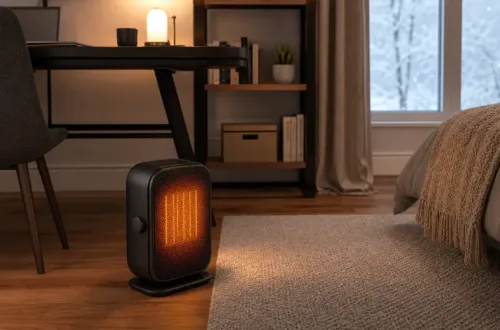
Desk heaters can be convenient, but they can also sit too close to papers, under desks, or near fabric chair covers. Keep the airflow open and make sure cords are not tucked under rugs or pinched by furniture legs. A personal heater should warm you directly, not heat the clutter around you.
Living rooms and shared spaces
In shared areas, the biggest risk is movement. Pets, children, and foot traffic can bump a heater or pull on a cord. Place it where people are less likely to brush against it, and keep it out of walkways. A heater with oscillation may help spread warmth, but the unit still needs a stable, open location.
Bathrooms, laundry rooms, and damp areas
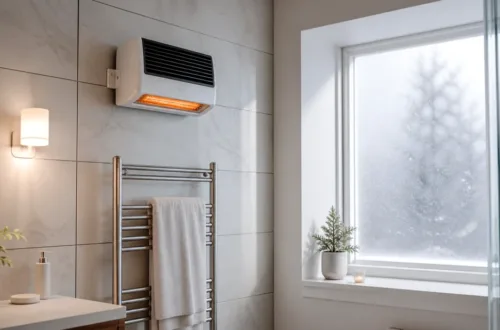
Many portable heaters should not be used in humid or wet environments. Steam, splashes, and condensation can create electrical hazards. If a heater is not explicitly rated for that type of space, use another heating approach instead.
Electrical safety basics
A space heater draws a lot of power for its size, so the electrical side matters. Check the wattage and make sure the outlet and circuit can handle it. If a plug feels hot, the heater causes repeated breaker trips, or lights dim when it runs, stop using it and have the setup checked. Those are signs the circuit may be under strain.
It is also worth avoiding worn outlet receptacles. A loose plug can create heat at the connection point, which is a different kind of risk than the heater itself. If you need a heater in a room that lacks a nearby wall outlet, it is usually better to rearrange furniture or choose a different location than to rely on a long cord.
How to use a space heater safely every day
- Turn it on only when you are awake and able to monitor it.
- Keep pets and children away from the unit.
- Let it cool before moving or storing it.
- Dust vents and grilles regularly so airflow stays clear.
- Read the manual before first use, especially clearance and electrical instructions.
- Unplug it when it is not needed for an extended period.
Bottom line
Space heater safety is mostly about common-sense habits backed by the right equipment. A heater with tip-over protection, overheat shutoff, and a thermostat can help, but it still needs proper placement, a suitable outlet, and regular attention. If you keep it clear of combustibles, avoid extension cords, and choose the right room for the job, you reduce most of the avoidable risks.