Choosing a heated vest involves more than counting heating panels. Battery runtime, heat placement, fabric, fit, and weather resistance all affect how useful a vest feels during a commute, a work shift, or a long day outdoors. A model with broad heating coverage may suit low-activity use, while a lighter…
Winter Clothing
-
-
A heated hoodie can make a cold commute, outdoor shift, or afternoon at the stadium more comfortable, but heating-zone counts alone do not determine how useful it will be. Fit, battery weight, fabric thickness, controls, and weather protection all affect how the garment performs in everyday use. Women also need…
-
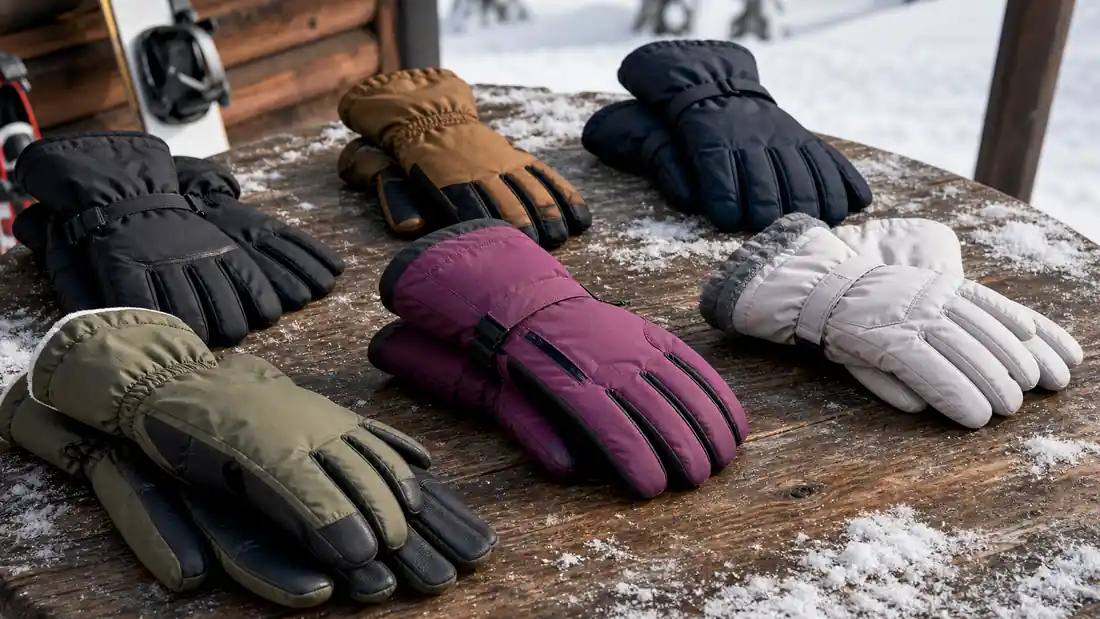
Cold fingers can shorten a ski day quickly, but choosing the warmest-looking glove is not always the answer. Insulation matters, yet so do waterproofing, cuff coverage, grip, dexterity, and fit. A thick glove that restricts movement or allows snow through the wrist may be less useful than a moderately insulated…
-
A softshell jacket can be more comfortable than a rigid rain shell and less bulky than an insulated winter coat, but only when its design matches the conditions. Some women need a stretchy layer for hiking, while others want fleece-backed warmth for commuting or outdoor work. Weather protection also varies…
-
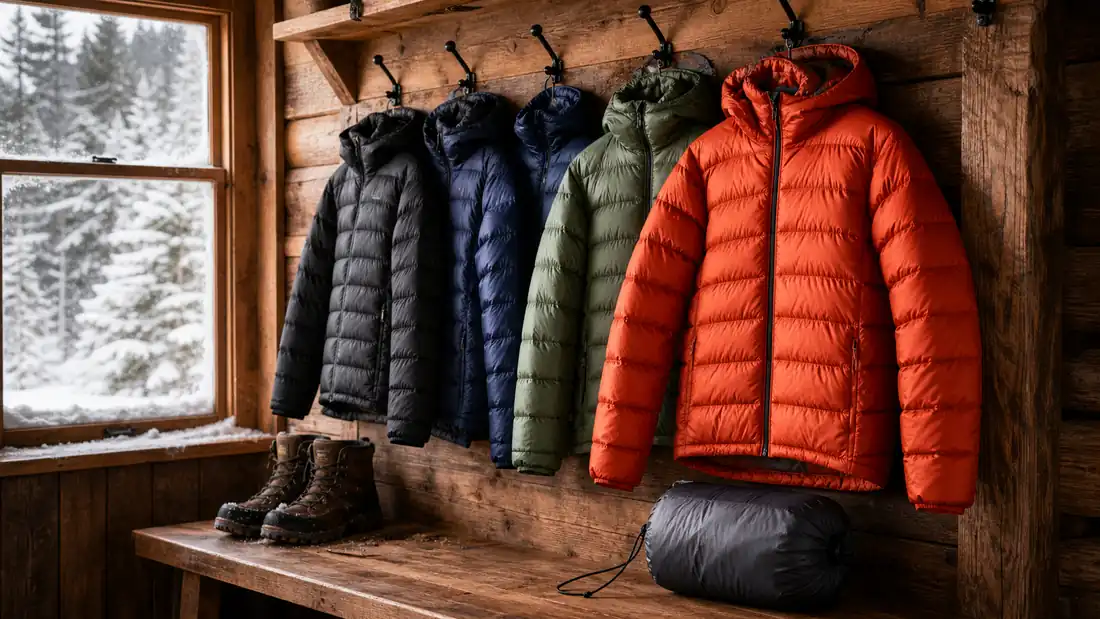
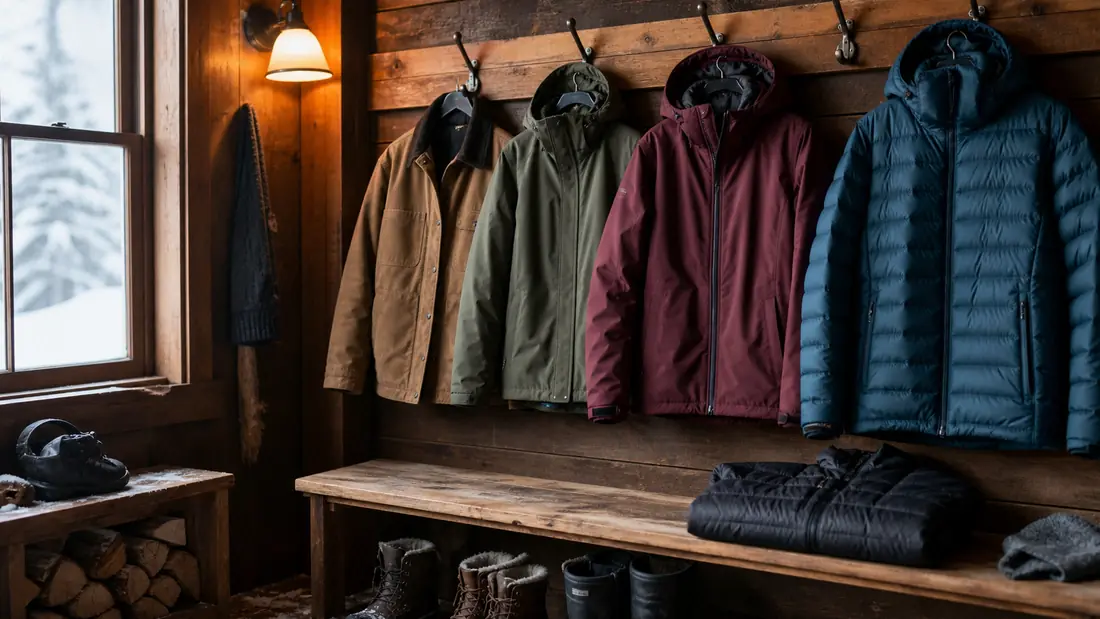
Choosing a men’s down jacket is less about finding the thickest coat and more about matching insulation, weather protection, and fit to the way you spend winter. A lightweight puffer can work well for commuting, travel, and active days, while cold, windy conditions may call for a hood, adjustable openings,…
-
A synthetic base layer can be more practical than wool when you want quick drying, easy laundering, stretch, and a lower purchase price. The challenge is choosing the right weight. A thin performance set helps manage sweat during active use, while fleece-lined thermals retain more warmth but can become uncomfortable…
-
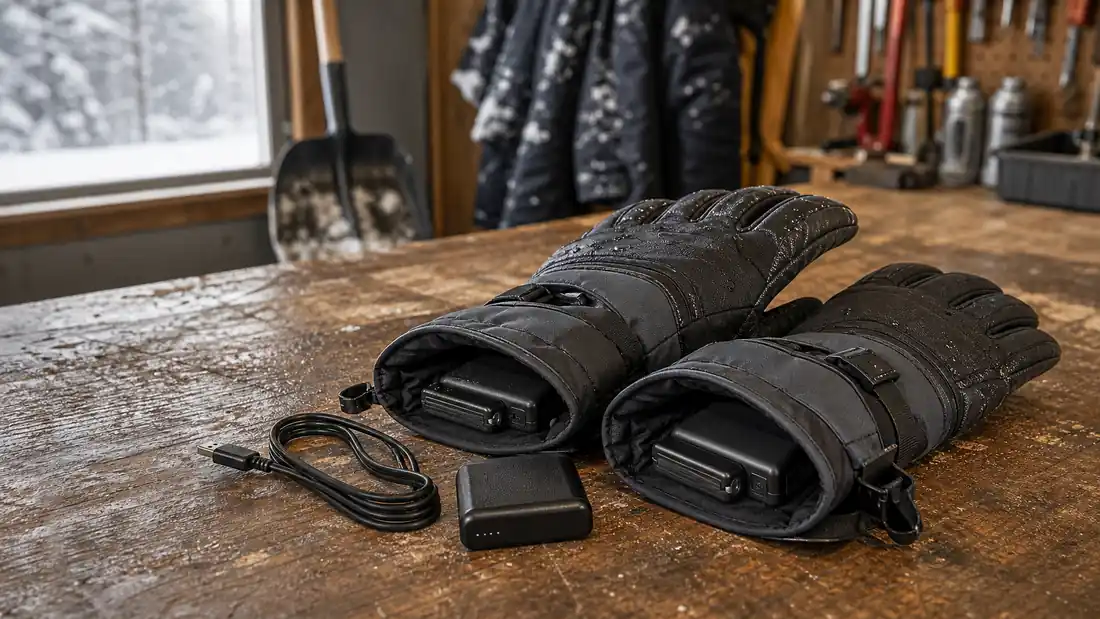
Cold hands can turn a winter commute, ski day, hunting trip, or outdoor shift into an uncomfortable experience. Standard insulated gloves slow heat loss, but they do not actively replace warmth once fingers become cold. Heated gloves address that problem by using battery-powered heating elements around the hand and fingers.…
-
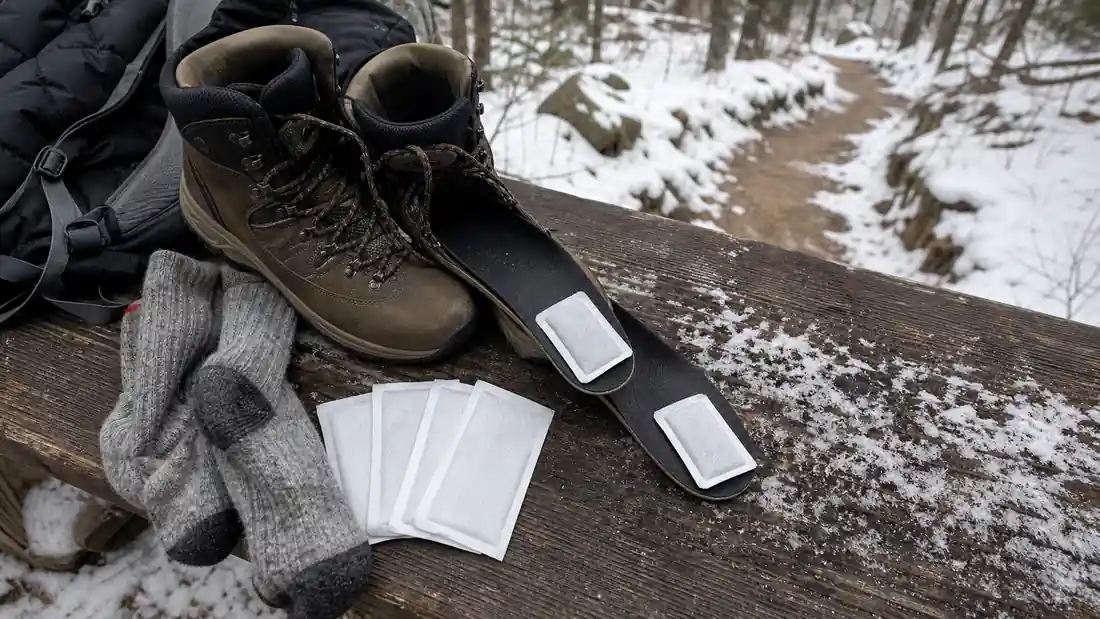
Cold toes can turn an otherwise manageable winter hike into a painful, distracting experience. The usual response is to add thicker socks, but that can make matters worse when extra bulk compresses the foot and reduces circulation. Toe warmers work best when they add heat or insulation without making hiking…
-
A base layer can feel warm in the living room yet become uncomfortable as soon as you start shoveling snow, hiking uphill, or working outdoors. The problem is often moisture rather than insulation. Sweat that remains next to the skin can produce a cold, clammy feeling when activity slows, which…
-
A snowboard jacket has to do more than keep you warm in a parking lot. It needs to block wind on the lift, manage snow when you fall, allow enough shoulder and arm movement for riding, and release excess heat when your activity level rises. The right balance depends on…