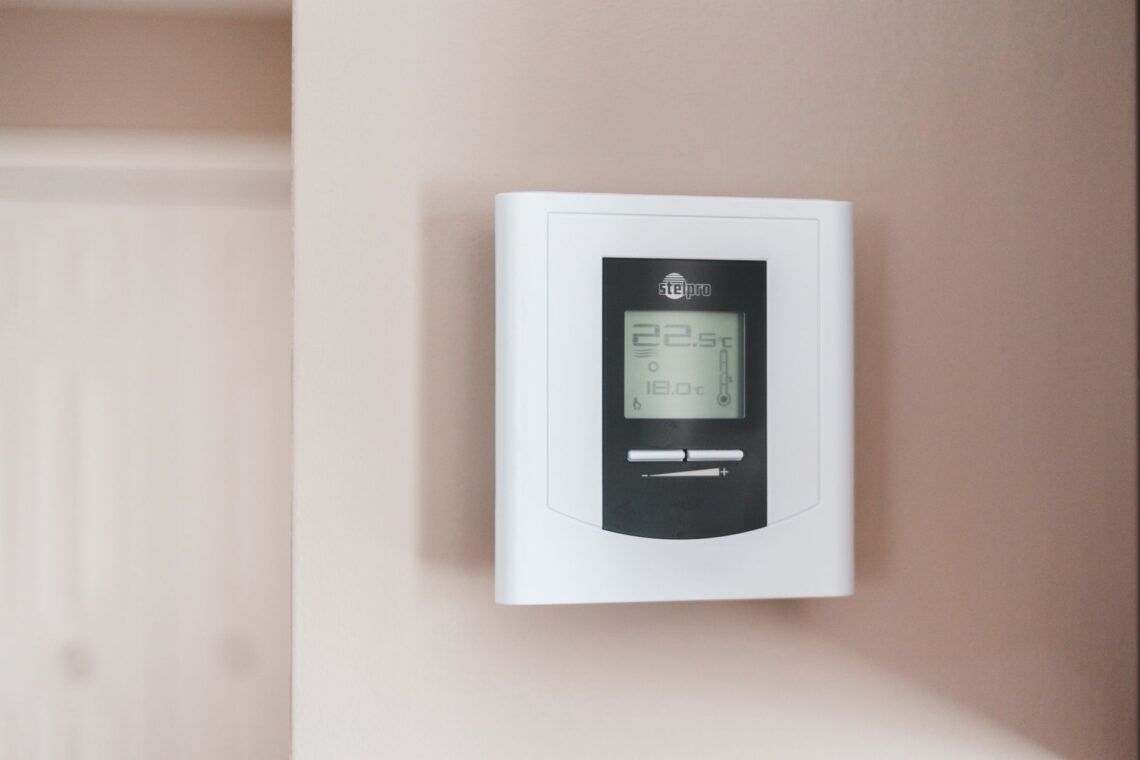
If you have a heat pump, the thermostat matters as much as the equipment itself. A model that does not match your system can cause comfort problems, short cycling, or installation headaches. The right choice depends on whether you want a simple manual thermostat, a programmable model, or a smart thermostat that can manage schedules and remote control.
This guide focuses on thermostats that are designed for heat pump systems and related 24V setups. The recommendations below are grouped by practical use, not by hype. Some are better for straightforward replacement jobs, while others are a better fit for households that want scheduling, humidity readings, or app control.
Quick Answer
The best thermostat for heat pump depends on your setup and how much control you want. If you want a simple, budget-friendly replacement, a non-programmable 2 heat/1 cool model is usually the easiest fit. If you want scheduling, a programmable Honeywell Home model is a stronger choice. For app control and smart-home use, the Honeywell Home WiFi thermostat is the most flexible option here, but it requires a C-wire or adapter.
Comparison Table
| Product | Type | Heat Pump Compatibility | Standout Point | Best For |
|---|---|---|---|---|
| Thermostat for Heat Pump, White Backlight | Non-programmable | 2 heat/1 cool, select 24V systems | Low price and simple setup | Basic replacements |
| Aowel AW721 | Non-programmable | 2 heat/1 cool | Humidity display | Users who want extra readouts |
| Garystat H721 | Non-programmable | 2 heat/1 cool | Large green display | Easy-to-read wall replacement |
| Honeywell Home RTH22B | Programmable | Up to 2 heat/1 cool heat pump | Flexible scheduling | Households that want routines |
| Heagstat H721 | Non-programmable | 2 heat/1 cool | Calibration and swing control | Comfort tuning on a budget |
| Suuwer S721 | Non-programmable | 2 heat/1 cool | Detailed wiring labels | DIY installers |
| Heat Pump Thermostat with Humidity Display | Non-programmable | 2 heat/1 cool | Temperature and humidity display | Rooms where humidity matters |
| Honeywell Home X2S Smart Thermostat | Smart WiFi | Up to 2 heat/1 cool heat pump | App control and smart-home support | Connected homes |
| White-Rodgers 80 Series | Non-programmable | Heat pump with dual fuel control | Established brand and solid warranty | Buyers who want a trusted legacy option |
How These Thermostats Were Chosen
These options were selected to cover the main ways people use heat pump thermostats. Some readers need a low-cost replacement that is easy to install. Others want a programmable model that helps manage daily routines, while a smaller group needs WiFi control and smart-home compatibility. The list also includes models with humidity readouts, clearer displays, and more flexible wiring support so readers can compare trade-offs instead of assuming one design fits every home.
Our Top Picks
The thermostats below are not arranged as a simple ranking from one to nine. Each one serves a different kind of home, wiring setup, or comfort preference. Before choosing, check system compatibility carefully, especially whether your heat pump uses auxiliary heat, whether the thermostat needs a C-wire, and whether your old unit leaves wall marks that matter to you.
Thermostat for Heat Pump, NonProgrammable Thermostat for Home, Conventional Single-Stage Systems, 2 Heat/1 Cool Heat Pump Or 1 Heat/1 Cool, Easy DIY Install, White Backlight

This is a basic non-programmable thermostat designed for 24V heat pump systems and many conventional single-stage setups. It is meant for people who want a straightforward wall thermostat rather than app control or scheduling. The white backlight display and large terminal blocks make it easier to read and install than many older manual thermostats, and the lack of a C-wire requirement on most systems can simplify replacement jobs.
What makes it useful is its narrow focus. It does not try to do everything, which can be an advantage for homeowners who mainly want dependable temperature control without extra menus. The adjustable temperature differential also gives it some practical tuning ability, so it can be set with a little more attention to comfort and compressor protection. That said, the compatibility limits are important. It is not intended for dual-fuel, multi-stage conventional, line-voltage, or mini-split systems, so it is best for standard 24V heat pump replacements.
Pros:
- Low price for a heat pump-compatible thermostat
- Simple controls that are easy to understand
- White backlit display improves readability
- Dual power options with no C-wire required on most systems
- Adjustable temperature differential for better comfort control
Cons:
- Not suitable for many multi-stage or dual-fuel systems
- No scheduling or app features
- Compatibility needs to be checked carefully before buying
This is a practical choice if you want a no-frills replacement thermostat and your wiring matches the supported system types. It is not the most feature-rich model here, but it covers the essentials cleanly.
Best for: Budget-conscious homeowners who want a simple replacement for a compatible 2 heat/1 cool heat pump system.
Aowel 2 Heat/ 1 Cool Non-Programmable Thermostat for Home Heat Pump System and Conventional Single-Stage System, with Room Temperature & Humidity Monitor

The Aowel AW721 is a non-programmable thermostat that adds a room humidity readout to the usual temperature display. For homes where indoor moisture levels matter, that extra information can be helpful, especially during heating season when air can become dry or during shoulder seasons when comfort changes from day to day. It supports 2 heat/1 cool heat pump systems and many 24V conventional single-stage systems, with dual power support and no C-wire needed on most installs.
Its appeal is practical rather than flashy. The display is larger than some basic alternatives, and the white backlight is easy to read in low light. It also includes separate heating and cooling swing settings, compressor delay protection, and temperature calibration adjustment. Those details matter if you want a thermostat that can be tuned for steadier operation. The main trade-off is the same one found on many affordable thermostats in this category. It requires careful compatibility checks, and it will not work with line-voltage heat, mini-splits, or conventional multi-stage systems.
Pros:
- Shows both room temperature and humidity
- Large backlit display is easy to read
- Separate heating and cooling swing settings
- Dual power with no C-wire required on most systems
- Includes temperature calibration and compressor delay protection
Cons:
- Not compatible with multi-stage or line-voltage systems
- Humidity display is useful, but not a replacement for a dedicated humidifier controller
- Still a basic manual thermostat with no scheduling
This model is a sensible pick if you want a simple replacement and also like having humidity information visible on the wall. It offers a little more feedback than the most basic units without moving into smart-thermostat territory.
Best for: Users who want a simple thermostat plus a room humidity display.
Garystat Non-Programmable Heat Pump Thermostat for House 2 Heat/1 Cool, with Temperature & Humidity Monitor and Large Green LCD

Garystat’s H721 model is another non-programmable choice for 2 heat/1 cool systems, but it stands out because of its green backlit LCD and large characters. That makes it easier to read from across a room, which can be useful for older adults or anyone replacing an aging thermostat with small text. Like the other manual options in this category, it works with compatible heat pump systems and many single-stage conventional systems, but not with high-voltage electric heat or RV setups.
In practice, this is a comfort-focused thermostat with enough features to be useful without becoming complicated. It includes temperature and humidity monitoring, plus dual power support and a C-wire-free setup for most homes. The large display is the biggest reason to consider it over similar units. If readability matters more than scheduling or app control, it fits that need well. The limitations are familiar, though. It is still a manual thermostat, so homes with different weekday and weekend patterns may get more value from a programmable model.
Pros:
- Large green display is very easy to read
- Shows both temperature and humidity
- Works with many 24V heat pump and single-stage systems
- Dual power options with no C-wire on most setups
- Simple controls reduce learning time
Cons:
- No scheduling features
- Not compatible with multi-stage or line-voltage systems
- Display style may not suit every room
If readability is your main concern, this thermostat has a clear advantage. It is not the most advanced model here, but it is easy to live with and does the core job of heat pump control without much fuss.
Best for: Households that want a large, easy-to-read thermostat display.
New! Honeywell Home Programmable Thermostat, Conventional/Heat Pump Compatibility, Flexible Schedule, X2P, White, RTH22B

The Honeywell Home RTH22B is a programmable thermostat for homes that want more than simple manual temperature control. It supports flexible schedules, including 7-day, 5-1-1, 5-2, and weekly options, and it also includes a non-programmable mode. That makes it more adaptable than many thermostats in this price range. It is compatible with up to 2 heat/1 cool heat pump systems with electric backup, along with some conventional systems, hot water heat, and forced-air setups.
This model earns attention because it combines familiar Honeywell Home design with easier installation features such as the UWP wall plate. It also includes filter reminders, a backlit screen, and adjustable display settings, which help it fit into daily use more naturally than a bare-bones thermostat. The trade-off is that it needs AA batteries and it is still not a fit for electric baseboard heat or more complex system types. For many homes, though, it offers a sensible middle ground between a manual thermostat and a full smart model.
Pros:
- Flexible programming options for different weekly routines
- Can also be used in non-programmable mode
- Large screen with clear text
- Installation is simplified by the UWP wall plate
- Includes filter reminders and adjustable display settings
Cons:
- Uses AA batteries
- Not for electric baseboard heat
- More expensive than basic manual thermostats
This is a strong pick for households that would benefit from scheduling but do not need WiFi or app control. It keeps the interface fairly straightforward while offering more flexibility than a standard non-programmable model.
Best for: Families or homeowners who want programmable schedules for a heat pump system.
Heagstat H721 Non-Programmable Heat Pump Thermostat, 2 Heat/1 Cool, with 4.5 sq. Inch Display

The Heagstat H721 is built for straightforward control of compatible heat pump and single-stage conventional systems. It uses a white backlit display and a fairly large screen, so it is easy to check at a glance. The temperature range and calibration features give it enough adjustability for homes that want steady comfort without getting into more advanced programming. It also supports battery or hardwired power, which helps with installation flexibility.
What makes this model worth considering is the combination of small practical features. The heat or cool swing setting can be adjusted to influence how often the system cycles, and the compressor delay protection adds a layer of protection for the equipment. It also includes filter reminders and a low-battery indicator, which are useful if you want a thermostat that stays simple but still gives helpful prompts. As with the other manual thermostats here, the main limitation is compatibility. It does not work with high-voltage electric heat, multi-stage systems, or mini-splits.
Pros:
- Large, easy-to-read backlit display
- Supports temperature calibration
- Adjustable swing settings for comfort and cycling control
- Dual power options with battery or 24VAC support
- Includes filter reminder and low-battery indicator
Cons:
- No scheduling or app connectivity
- Not compatible with high-voltage or multi-stage systems
- Screen size may still feel modest compared with premium models
This is a balanced option for buyers who want a reliable manual thermostat with a few extra comfort settings. It sits in the middle of the basic category and offers enough refinement to be useful without becoming difficult to operate.
Best for: Users who want a basic thermostat with added comfort tuning.
Suuwer Non-Programmable Heat Pump Thermostat for Home Up to 2 Heat/1 Cool

The Suuwer S721 is another non-programmable thermostat for 2 heat/1 cool systems, but it places more emphasis on installation details than some of the others here. The wiring labels are clearly laid out, and the product notes ask buyers to review the installation images before purchasing. That caution is worth taking seriously. For the right system, though, it provides a clear blue backlit display, dual power support, and the kind of standard controls most homeowners need for everyday temperature management.
This thermostat deserves a place on the list because it combines useful comfort features with direct setup guidance. Temperature calibration, compressor delay protection, and adjustable swing settings give it a practical set of tools for a manual model. It also includes battery and filter reminders, which are easy to appreciate once the thermostat is in service. The main caveat is that it is not a casual universal replacement. It works best when you already know your system type and wiring are compatible, especially if you are doing the installation yourself.
Pros:
- Clear blue backlit display
- Detailed wiring labels may help DIY installers
- Temperature calibration and swing control included
- Compressor delay protection helps protect equipment
- Battery and filter reminders add convenience
Cons:
- Installation instructions require careful review before purchase
- Not for multi-stage, high-voltage, mini-split, or RV systems
- Less beginner-friendly if you are unsure about wiring
This is a sensible choice for careful DIY buyers who want a manual thermostat and are comfortable matching wiring to the system. It rewards attention to detail, but it is not the easiest pick for someone who wants a plug-and-play replacement.
Best for: DIY homeowners who are comfortable checking wiring before installation.
Thermostat Non Programmable Heat Pump Thermostat for House 2H/1C, with Large LCD Display of Room Temperature and Humidity

This non-programmable thermostat is designed for 2 heat/1 cool systems and adds both room temperature and humidity on the same screen. That makes it a practical fit for homes where indoor comfort is affected by dry winter air or seasonal moisture changes. It uses a large LCD with clear numbers, which helps reduce the guesswork that sometimes comes with smaller displays. Like the other manual models, it supports 24VAC power or batteries and does not require a C-wire on most setups.
The humidity display is the main reason to look at this model instead of a simpler basic thermostat. It gives you more environmental context without adding app setup or scheduling menus. The thermostat also includes calibration, compressor delay protection, and separate heating and cooling swing settings, so it offers a decent amount of control for a manual unit. Its limitations are straightforward. It is not intended for high-voltage heating, RV applications, or more complex HVAC systems, so compatibility should be verified before purchase.
Pros:
- Displays both temperature and humidity
- Large LCD with easy-to-read numbers
- Dual power options with no C-wire required on most systems
- Includes calibration and compressor delay protection
- Separate heating and cooling swing settings
Cons:
- No scheduling or remote access
- Not for high-voltage, RV, or complex HVAC systems
- Humidity reading is informative, but not a substitute for dedicated indoor air quality equipment
This is a good fit if you want a simple thermostat and like the added insight of humidity monitoring. It stays easy to use while offering a little more feedback than a plain temperature-only unit.
Best for: Homes where indoor humidity is part of the comfort conversation.
New! Honeywell Home Smart Thermostat, Conventional/Heat Pump Compatibility, WiFi Thermostat for Home, X2S, Gray

The Honeywell Home X2S is the most connected option in this group. It adds WiFi control through the First Alert app and works with Amazon Alexa, Google Assistant, and Apple HomeKit. It is also Matter certified, which matters for people building a broader smart-home setup. The thermostat supports up to 2 heat/1 cool heat pump systems and includes scheduling, auto-away functionality, humidity display options, and change-filter reminders.
This model stands apart because it serves people who want to manage heating and cooling from their phone rather than from the wall alone. It also includes Energy Star certification and demand response capability, which may help with energy programs or utility rebates where available. The main trade-off is that it requires a C-wire, or possibly a power adapter, so it is not the easiest choice for older systems without that wiring. It also costs more than the basic manual models. For the right household, though, the added convenience is meaningful.
Pros:
- WiFi control with app access from anywhere
- Works with major smart-home platforms
- Matter certified for broader compatibility
- Includes scheduling and auto-away features
- May support energy-saving programs and rebates
Cons:
- C-wire required, or a power adapter may be needed
- Higher price than basic thermostats
- More features than some users need for a simple heat pump system
This is a good choice if you want remote control, smart-home integration, and scheduling in one package. It is less attractive if your priority is a simple low-cost replacement.
Best for: Smart-home users who want app control for a compatible heat pump system.
White-Rodgers 80 Series, Non-Programmable, Heat Pump Thermostat, 1F83H-21NP

The White-Rodgers 80 Series is a non-programmable heat pump thermostat aimed at buyers who want a more established HVAC name and a clean, easy-to-use interface. It includes a built-in level, a standard footprint, and a straightforward setup menu, which can make installation simpler than expected. The large backlit display is another practical plus, especially in dim hallways or utility areas where the thermostat is not always well lit.
It also adds a few features that are useful without being complicated, such as keypad lockout and adjustable heat and cool temperature limits. Those controls can be helpful in homes where you want to prevent accidental changes or narrow the allowed temperature range. The trade-off is price. It costs more than many of the newer manual models in this list, and it does not offer programming or smart control. Still, for buyers who value a long-standing HVAC brand and a conservative design, it is a credible option.
Pros:
- Well-known HVAC brand with a long track record
- Easy-to-read large backlit display
- Built-in level simplifies installation
- Keypad lockout adds control in shared spaces
- Heat and cool limits provide added protection
Cons:
- More expensive than many basic manual thermostats
- No scheduling or WiFi features
- Still requires compatible system wiring
This is a sensible option if you want a familiar brand, readable display, and a thermostat that stays simple. It is not the cheapest route, but it offers a steady, practical feature set.
Best for: Buyers who prefer a proven HVAC brand and a straightforward interface.
Buying Guide
Choosing a thermostat for a heat pump starts with compatibility, not features. Heat pumps often need specific wiring and control logic, especially if auxiliary or emergency heat is involved. Before buying, confirm whether your system is 2 heat/1 cool, whether it uses a C-wire, and whether it is a standard 24V setup. Thermostats that work with heat pumps usually do not work with electric baseboard heat, mini-splits, or multi-stage systems unless they say so clearly.
After compatibility, think about how you actually use the system. If you adjust the temperature manually and rarely change settings, a simple non-programmable model makes sense. If your schedule changes during the week, programmable settings may save energy and reduce hassle. Smart thermostats add app control and automation, but they also introduce wiring requirements and a higher price. Display readability, humidity monitoring, and compressor delay protection are useful secondary features, but they should not come before the basics.
What to check before installation
- System type, including heat pump, conventional, or auxiliary heat
- Whether a C-wire is present or required
- Voltage, since these models are for 24V systems, not line-voltage heat
- Wall coverage, especially if the new thermostat is smaller than the old one
- Whether you want manual control, scheduling, or WiFi access
When a manual thermostat makes sense
Manual thermostats work well in homes with stable routines, guest rooms, rental units, or replacement jobs where simplicity matters more than automation. They are often less expensive and easier to operate. The trade-off is that they require you to make temperature changes yourself, which is fine for many households but less ideal for people with irregular schedules.
When programmable or smart control is worth it
Programmable thermostats are useful if your home is empty during parts of the day or if you want temperature changes to follow your routine automatically. Smart thermostats go a step further by letting you adjust settings remotely and sometimes participate in energy programs. They are most useful when the extra control will actually be used. If not, a simpler thermostat may be the better value.
Frequently Asked Questions
Do all heat pump thermostats need a C-wire?
No. Some models work without a C-wire on most systems and can run on batteries or 24VAC power. Smart thermostats are more likely to require a C-wire or power adapter, so always check the product requirements before buying.
Can I use a regular thermostat with a heat pump?
Sometimes, but only if it is explicitly rated for heat pump systems. A thermostat that is not designed for heat pump operation may not handle reversing valve control or auxiliary heat correctly.
What is the difference between 2 heat/1 cool and multi-stage compatibility?
2 heat/1 cool typically refers to a heat pump with two heating stages and one cooling stage. Multi-stage compatibility may also include different conventional systems with more than one heat or cool stage. These are not interchangeable, so the thermostat must match your equipment.
Is a programmable thermostat better for a heat pump?
Not always. Programmable models can help if your schedule is predictable, but if you prefer manual control or rarely change settings, a simpler thermostat may be more practical and easier to live with.
What should I do if my old thermostat left marks on the wall?
Check the new thermostat’s size and base plate coverage before ordering. Some models include a larger wall plate or standard footprint that can hide old paint lines or screw holes more effectively.
Final Recommendations
If you want the simplest replacement, start with one of the non-programmable 2 heat/1 cool models that matches your wiring. If you need schedules, the Honeywell Home RTH22B is the most practical programmable option in this group. If remote access matters, the Honeywell Home X2S is the better fit, as long as your system has the required C-wire support. For most other buyers, the deciding factor is not brand name alone, but whether the thermostat truly matches the heat pump setup in the wall.