Cold weather can expose weak spots in a house quickly. Drafty doors, unsealed windows, exposed pipes, and neglected outdoor systems often lead to higher heating costs and avoidable repairs. Learning how to winterize your home is less about one big fix and more about a series of practical steps that protect comfort, safety, and efficiency before temperatures drop.
Quick Answer
The best way to winterize your home is to seal air leaks, protect plumbing, service heating equipment, insulate exposed areas, and prepare outdoor systems before the first hard freeze. Start with the areas that lose the most heat or are most likely to freeze, then move on to maintenance tasks that reduce wear and energy waste through the season.
Comparison Table
| Product | Best For | Type |
|---|---|---|
| Winterizing Your Home | General home winter prep | Guide |
| MAGZO Sliding Glass Door Insulation Curtain | Drafty patio or sliding doors | Insulation curtain |
| Your Guide to Deck Maintenance and Outdoor Wood Furniture Restoration | Decks, porches, and exterior wood | Maintenance guide |
| The Sprinkler System Repair Blueprint | Irrigation shutdown and repairs | Repair guide |
| Winterize Your RV: Inside and Out | Mobile living and travel setups | Winterization guide |
| Get Ready for Winter: How to Winterize Your Mobile Home | Mobile homes | Winterization guide |
| Winterize Your Life | Household-wide cold-weather planning | General guide |
| How to Keep Your Chicken Coop Warm During Winter | Backyard chicken coops | Animal shelter guide |
How to Winterize Your Home: Recommended Guides and Practical Tools
These picks were selected for different winter-prep needs rather than as a simple ranked list. Some focus on whole-home energy savings, while others address specific problem areas such as doors, decks, irrigation, mobile homes, or outbuildings. The right choice depends on what needs attention first, how much hands-on maintenance you want to do, and whether you need broad guidance or a more specific fix.
Winterizing Your Home : Discover How You Can Save Money On Your Heating Bills From Now On!

This guide is aimed at readers who want a straightforward home winterization checklist without getting lost in technical detail. It covers common problem areas such as air leaks, water heaters, window treatments, caulking, insulation, and air sealing. That makes it useful for homeowners who want to reduce heat loss before winter settles in. The topics are practical rather than flashy, which is appropriate for this subject because the biggest savings usually come from basic upkeep done consistently and in the right order.
What makes this book useful is its broad scope. Instead of focusing only on one task, it touches several of the areas that most often affect comfort and energy bills. It is a good fit for first-time homeowners or anyone who wants a simple reference for planning seasonal work around the house. Readers should still expect to use it as a starting point, not a substitute for building-specific advice or local climate guidance.
Pros:
- Covers several of the most important home winterization categories in one place
- Useful for readers who want to prioritize air sealing and heat retention
- Includes maintenance ideas that can help reduce wasted energy
- Approachable for beginners who want a practical overview
- Works well as a seasonal planning reference
Cons:
- Less detailed than a contractor-level repair manual
- May not address specialized systems or unusual home layouts
- Focuses on general advice rather than region-specific winter issues
This is a solid starting point for readers who want a broad, affordable guide to the most common winter prep jobs. It is most helpful when you are trying to make a checklist and decide where to begin rather than when you already know exactly what repair you need.
Best for: First-time homeowners, budget-conscious readers, and anyone creating a general winter prep checklist.
MAGZO Sliding Glass Door Insulation Curtain for Winter, 72” x 80”, Upgraded Oxford Filled with Thicken Cotton, Patio Door Insulation Kit Cover Blanket for French Attic Doors, Strong Magnets, Grey

Sliding glass doors are common heat-loss points in winter, especially in homes with older frames or high-traffic patio entries. This insulated curtain is designed to create a removable thermal barrier over doors and similar openings. It uses a thick, layered build with magnetic closure to help reduce drafts, and the hook-and-loop installation makes it easier to add than a permanent modification. For renters or homeowners who want a reversible solution, that can be a useful middle ground.
The main reason to consider it is fit. A product like this helps most when the door is a real source of cold air and you need a practical barrier without rebuilding the opening. It is not the right answer for every room, and it does take careful measuring, but it can be a sensible option for patio doors, French doors, or other openings that are hard to weatherstrip effectively. It is especially relevant for homes where pets or children need easy pass-through access without leaving the door uncovered for long.
Pros:
- Helps block drafts at large door openings
- Removable design is useful for renters and seasonal use
- Magnetic closure makes daily passage easier
- Can add privacy and reduce light as well as cold air
- Suitable for several door types when sized correctly
Cons:
- Requires accurate measuring before purchase
- Works best as a supplemental barrier, not a substitute for repair
- May be too bulky for some entryways or decor preferences
If your biggest winter problem is a drafty glass door, this kind of insulation curtain can be more practical than trying to make a permanent change right away. It is most useful when you want a seasonal fix that is easy to remove once warmer weather returns.
Best for: Homes with drafty sliding or French doors, renters, and households that need a removable insulation option.
Your Guide to Deck Maintenance and Outdoor Wood Furniture Restoration: DIY Instructions for Cleaning, Sealing, Repairing and Protecting Decks, Benches, Pergolas and More Against Weather damage

Decks, porches, rails, and outdoor wood furniture often suffer when winter moisture and freeze-thaw cycles set in. This guide focuses on cleaning, sealing, repairing, and protecting exterior wood before weather damage becomes more expensive to fix. That makes it useful for homeowners who want to preserve wood surfaces rather than wait until spring to deal with splintering, peeling finish, or moisture-related wear. It is a practical choice for people with visible exterior wood that needs seasonal upkeep.
Its strength is that it treats outdoor wood care as part of winterizing the home, not as a separate project. That matters because neglected decks and furniture can absorb water, crack, or deteriorate through the cold season. Readers who manage their own property maintenance will likely find this more relevant than a general home guide if their immediate concern is protecting structures outside the heated envelope of the house.
Pros:
- Useful for protecting exterior wood before winter damage starts
- Addresses cleaning, sealing, repair, and preservation in one resource
- Helps homeowners maintain decks, pergolas, benches, and similar structures
- Good fit for seasonal outdoor maintenance planning
- Can help readers avoid preventable surface damage
Cons:
- Focused on wood care, so it does not cover whole-home winterization
- Less helpful for homes without decks or outdoor wood features
- May not be detailed enough for major structural repair needs
This is a narrow but useful resource for readers whose winter prep includes protecting outdoor wood surfaces. It fits best when you already know the house is in decent shape and you want to prevent weather-related wear on exterior features.
Best for: Homeowners with decks, pergolas, wood furniture, or other outdoor wood surfaces.
The Sprinkler System Repair Blueprint: An Expert Field Guide to Identifying Issues, Executing Fixes, and Optimizing Your Entire Watering Installation … a Lush Lawn (The DO-IT-YOURSELF Blueprint)
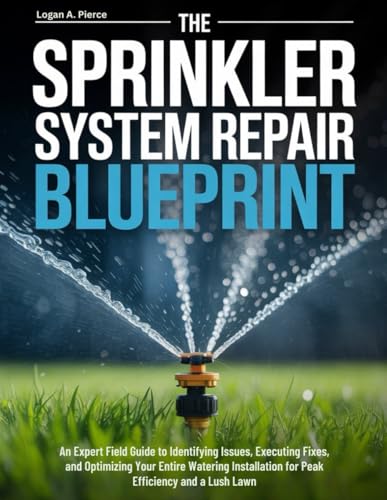
Outdoor water systems need attention before freezing temperatures arrive, especially in climates where irrigation lines can burst if they are not shut down properly. This guide is aimed at readers who need help identifying problems, making repairs, and improving an existing watering setup. While it is not a general home winterization book, it belongs in a winter prep list because sprinkler systems are one of the most common outdoor systems that need seasonal attention.
It stands out for homeowners who want to understand sprinkler issues before hiring a professional or performing routine shutdown tasks themselves. If your winter prep list includes draining lines, checking valves, or deciding whether a repair is simple or more serious, a focused guide like this can be more helpful than a broad seasonal checklist. It is most relevant to readers with an active irrigation system rather than those who only need indoor prep.
Pros:
- Helpful for seasonal sprinkler shutdown and repair planning
- Useful for identifying issues before freeze damage occurs
- Can support DIY readers who manage their own irrigation system
- Covers troubleshooting as well as general optimization
- Addresses a home system that is often overlooked before winter
Cons:
- Too specialized for readers who only need general house winterization
- Not useful if the property does not have an irrigation system
- May be more detail than casual homeowners need for a simple shutdown
If your home has sprinkler lines, this kind of guide can help you prevent a seasonal repair bill later. It is best viewed as a targeted reference for one of the more damage-prone outdoor systems connected to the property.
Best for: Homeowners with irrigation systems, especially those preparing for freeze-prone weather.
Winterize Your RV: Inside and Out

RVs need a different winterization approach than houses because plumbing, storage space, insulation, and heating all work within a compact, movable structure. This guide focuses on the inside and outside of an RV, which is useful for owners who need to protect tanks, lines, seals, and living areas before cold weather causes problems. It is practical for seasonal travelers, full-timers, and anyone storing a rig during the winter months.
It deserves consideration because RV winter prep has its own checklist, and general home advice often does not go far enough. Readers who need to manage antifreeze, shut down water systems, or seal exterior weak spots will usually get more value from a focused RV resource than from a broad home guide. It is especially useful if your winterizing task list includes both living comfort and mechanical protection.
Pros:
- Addresses both interior comfort and exterior protection
- Useful for seasonal storage and active winter travel
- Covers the type of systems that commonly need RV-specific care
- Practical for beginners who want a dedicated RV checklist
- Helps reduce the risk of freeze-related plumbing damage
Cons:
- Not relevant for standard residential homes
- Less useful if you only need a few basic household tasks
- Assumes the reader owns or uses an RV
This is a sensible choice if your winterizing needs center on an RV rather than a stationary house. It is more specialized than a general home guide, but that focus is exactly why it can be useful.
Best for: RV owners preparing for storage or cold-weather travel.
Get Ready for Winter: How to Winterize Your Mobile Home (Mobile Home Living)

Mobile homes can lose heat quickly if skirting, plumbing, vents, or entry points are not prepared before winter. This guide is focused specifically on that type of housing, which matters because mobile homes often require different seasonal steps than site-built houses. Readers looking for a winterization plan that matches their home type may find this more useful than a general home checklist. It is especially relevant for people who want a simple reference on where heat loss and freeze risk tend to happen in manufactured housing.
The main advantage is specificity. Broad winter prep advice can miss the details that matter in a mobile home, such as exposed underbellies or unique insulation concerns. This book fills that gap without pretending every property is built the same way. It is most helpful for owners who want to understand the priorities first, then decide whether to handle the work themselves or bring in help for the more technical parts.
Pros:
- Tailored to mobile home winterization needs
- Useful for understanding the unique weak points of manufactured housing
- Can help owners prioritize seasonal tasks more efficiently
- Approachable for readers who want focused guidance
- Better fit than a general guide for this housing type
Cons:
- Too specialized for standard stick-built homes
- Does not replace professional help for major structural issues
- Likely less useful for readers seeking broad household maintenance advice
For mobile home owners, this is one of the more relevant options on the list because it matches the home type instead of forcing a one-size-fits-all approach. That makes it a practical reference when your winter prep needs are specific and time-sensitive.
Best for: Mobile home owners looking for winterization guidance tailored to their housing type.
Winterize Your Life: Prepare Your Home, Car, Pets, Health & Looks for the Cold Months…and Stay Warm, Happy & Healthy All Winter Long! (Reneguides)

This guide takes a broader approach than most winterization books because it looks beyond the house itself. It covers home prep, but it also touches cars, pets, health, and other day-to-day cold weather concerns. That makes it a good choice for readers who want one resource that reflects how winter affects the whole household, not just the thermostat and the windows. For someone building a practical seasonal checklist, that wider view can be useful.
Its value is in combining several related topics into a single planning tool. If your goal is to make sure the house is ready, the car starts reliably, pets stay comfortable, and cold weather routines are in place, this guide offers a more complete picture than a narrowly focused home repair book. It is not the deepest technical reference, but it can be helpful for households that want a broader seasonal reminder list.
Pros:
- Covers home, vehicle, pet, and personal winter prep topics
- Useful for households that want one broad seasonal guide
- Helps readers think beyond indoor heating and insulation
- Good for planning and checklist building
- Approachable for beginners who want a general overview
Cons:
- Less detailed than specialized repair or maintenance guides
- May feel too broad for readers with one specific problem
- Not ideal if you only want home-focused winterization advice
This is a practical choice when you want cold-weather preparation to cover more than the house alone. It works best as a general seasonal planning guide rather than a technical repair manual.
Best for: Households looking for a broad winter-prep reference that includes home and lifestyle topics.
How to Keep Your Chicken Coop Warm During Winter: Actionable Beginner-Friendly Guide to Winterizing Your Chicken Coop | Practical Tips, Insulation … Solutions to Keep Your Flock Cozy and Safe

Backyard chicken keepers face winter concerns that are easy to overlook if they only focus on the house. A coop needs airflow, dryness, shelter from wind, and enough protection to help birds stay healthy in cold conditions. This guide is focused on winterizing a chicken coop, which means it covers a very specific part of property care that many general home guides leave out. It is a sensible addition for readers who have livestock or backyard birds to protect.
Its usefulness comes from its beginner-friendly focus. Coop winterization is not the same as heating a room in the house, and overdoing insulation or heat can create problems of its own. A targeted guide can help readers think through the balance between warmth, ventilation, and safety. That makes it more relevant for chicken owners than a broad winter home checklist, especially when the coop is a separate structure that needs its own seasonal plan.
Pros:
- Tailored to chicken coop winter care
- Useful for beginners who want practical flock protection advice
- Addresses a winter prep need that general home guides do not cover
- Helps readers think about insulation and safety together
- Relevant for homesteads and backyard poultry setups
Cons:
- Not useful for readers without chickens
- Too specialized to serve as a general winterization guide
- May not cover advanced livestock housing concerns in depth
This is a niche but relevant resource for poultry owners who need to prepare a separate structure for cold weather. It is most valuable when you want guidance that reflects the needs of the birds as well as the building.
Best for: Backyard chicken owners preparing a coop for winter.
What to Focus on When Winterizing a Home
The most effective winterization work usually starts with the easiest heat leaks and freeze risks. Air sealing around windows, doors, attic access points, and utility penetrations often delivers more noticeable comfort gains than cosmetic changes. Once drafts are under control, the next priorities are plumbing protection, heating system checks, and insulation in exposed areas like basements, crawl spaces, and attics.
It also helps to think in terms of risk. Frozen pipes, roof ice issues, and failed exterior seals can be expensive, but many of them are preventable with seasonal maintenance. Outdoor equipment should be stored, shut down, or covered before the first hard freeze. If your home has special features such as a deck, irrigation system, mobile home foundation, or sliding glass door, those areas may need a more targeted approach than a standard checklist provides.
Common Mistakes People Make Before Winter
- Waiting until temperatures drop before sealing drafts or servicing equipment
- Focusing only on the thermostat and ignoring air leaks
- Skipping outdoor systems such as sprinklers, hoses, and spigots
- Forgetting about attic access, crawl spaces, and basement rim joists
- Using too much heat or insulation in areas that still need ventilation
- Assuming one winterization plan fits every house type
Frequently Asked Questions
When should I start winterizing my home?
Early fall is usually the best time. That gives you enough time to seal leaks, inspect equipment, and handle outdoor tasks before the weather turns unreliable. In colder regions, it is wise to begin even earlier.
What should I winterize first?
Start with the biggest heat-loss points and freeze risks. Common priorities include doors, windows, exposed pipes, outdoor faucets, heating systems, and any exterior systems that carry water.
Is winterizing a home expensive?
It does not have to be. Some of the most useful steps, such as caulking, weatherstripping, and pipe insulation, are relatively low-cost. Bigger upgrades like added insulation or equipment replacement cost more, but they are not required for every house.
Do I need different steps for a mobile home or RV?
Yes. Those structures often have different insulation, plumbing, and undercarriage considerations than standard homes. A general home checklist can help, but a more specific guide is usually more useful for those cases.
Final Recommendations
If you want the most useful general reference, start with Winterizing Your Home. If a specific part of the house is causing problems, such as a drafty patio door or an exposed irrigation system, a more focused guide or product will usually be the better investment. The right approach is the one that matches your home type, your climate, and the parts of the property most likely to fail when the temperature drops.