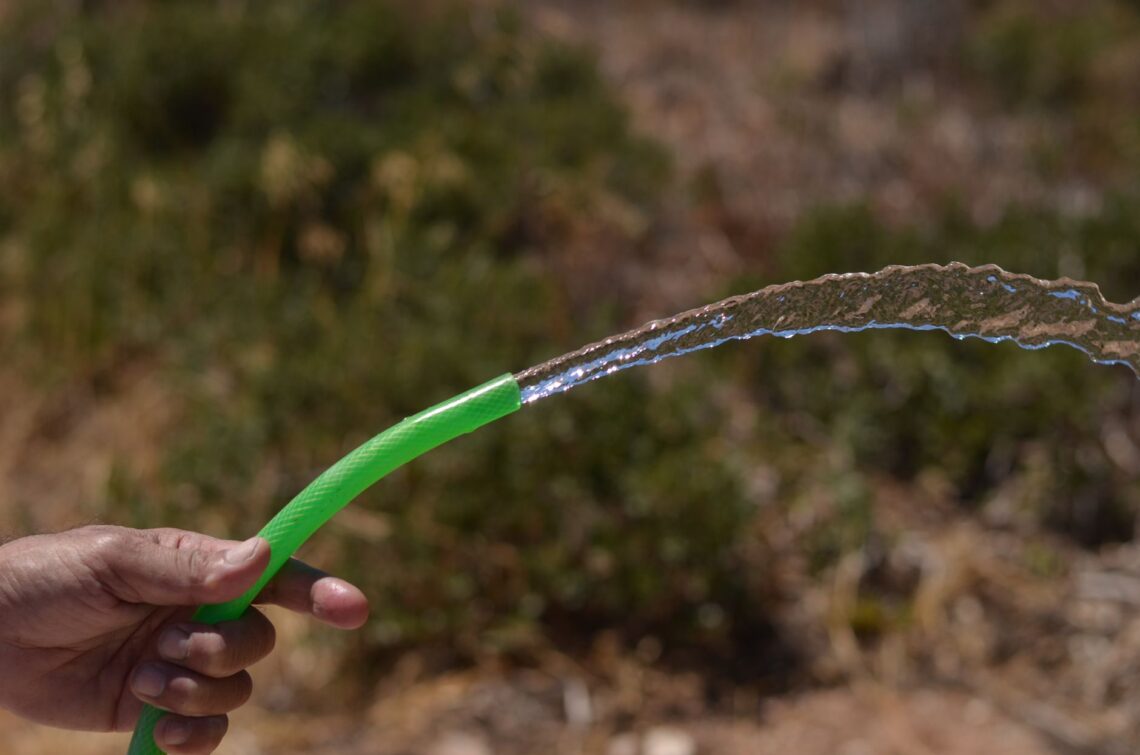
A heated water hose solves a very specific problem: keeping water moving when temperatures drop below freezing. That matters for RV owners, but also for people watering livestock, protecting a chicken coop, or keeping an outdoor tap usable through winter. The right hose depends on a few practical details, including hose length, freeze-protection rating, drinking-water safety, and how much electricity it uses. A shorter hose is easier to manage and usually costs less, while longer runs are more useful when the water source is farther away.
The options below are not ranked as one universal winner. Instead, they cover different needs, from budget-friendly short hoses to longer, more rugged models for colder climates. If you are comparing the best heated water hose for your setup, focus first on length and cold rating, then look at connector quality, thermostat behavior, and whether the hose is rated for drinking water.
Quick Answer
If you need a heated water hose for RV use, the most practical choice depends on distance, climate, and budget. For many buyers, a 25-foot or 30-foot hose is enough for campsite hookups, while 50-foot models make more sense when the faucet is farther away. Camco’s heated hoses are the most established option here for drinking-water safety, while RVGUARD, Ficstar, and the VildVandring models offer lower-cost alternatives with stronger freeze ratings. Shorter hoses, such as the OEBLD 15-foot version, are better when you only need a compact run to protect an exposed connection.
Comparison Table
| Product | Length | Freeze Protection | Notable Strength | Best Use Case |
|---|---|---|---|---|
| Camco 25-Ft Heated Water Hose | 25 ft | Down to -20°F | Drinking-water certifications and known brand support | RV users who want a trusted, balanced pick |
| RVGUARD Heated Water Hose 25FT | 25 ft | Down to -20°F | Lower price with lead-free and BPA-free materials | Budget-conscious RV owners |
| VildVandring 30ft Heated Water Hose | 30 ft | Down to -40°F | Very low price for strong cold-weather coverage | Buyers in harsher winter conditions |
| OEBLD Heated Water Hose for RV | 15 ft | Down to -45°F | Compact size for tight installs | Short hook-ups and limited-space setups |
| Camco 50-foot Heated Water Hose | 50 ft | Down to -20°F | Long run with drinking-water certifications | Longer campsite or property connections |
| Ficstar 50FT Heated Water Hose | 50 ft | Down to -45°F | Long length with strong freeze rating | Cold-weather RV or farm use |
| Heated RV Water Hose 50 ft with Fittings | 50 ft | Down to -45°F | Built-in leakage protection | Users concerned about connection reliability |
| Heated Water Hose for RV 50ft with GFCI | 50 ft | Down to -40°F | Integrated GFCI plug | Safer outdoor use where electrical protection matters |
How These Heated Water Hoses Compare
The products below were selected to cover different lengths, price levels, and freeze-protection ranges. Some are better suited to full-time winter RV use, while others make more sense for occasional cold-weather trips or non-RV chores like livestock watering. The main trade-off is usually between cost, hose length, and the temperature range the hose can handle. A stronger freeze rating can be helpful, but it does not replace proper power access or careful setup.
Our Top Picks
Camco 25-Ft Heated Water Hose for RV

Camco’s 25-foot heated hose is a practical middle-ground option for RV owners who want a familiar brand and a strong focus on drinking-water safety. It uses a thermostat-controlled heating cable to help prevent freezing down to -20°F, which is enough for many winter camping situations without going into the heavier-duty category. The hose is also NSF/ANSI 61 certified for drinking water and is described as lead-free, BPA-free, and phthalate-free, which matters if the hose will be used to fill your fresh-water tank.
This model stands out less for extreme freeze performance and more for its overall balance. The 25-foot length is easy to manage, the 5/8-inch diameter should support solid flow, and the machined fittings are a useful detail for corrosion resistance. It is a sensible choice for people who want a straightforward heated hose from a well-known RV brand rather than chasing the lowest price or the longest freeze rating.
Pros:
- NSF/ANSI 61 drinking-water hose construction
- Lead-free, BPA-free, and phthalate-free materials
- Thermostat-controlled heating for energy-conscious operation
- Reliable 25-foot length for many RV hookups
- Corrosion-resistant machined fittings
Cons:
- More expensive than some lesser-known alternatives
- -20°F protection is good, but not the strongest in this group
- 25 feet may be short for some campsite layouts
For many RV owners, this is the safest all-around choice when you care about water quality as much as freeze protection. It does not aim to be the coldest-weather hose available, but it covers the needs of a large share of winter campers without adding much complexity.
Best for: RV owners who want a trusted drinking-water hose with balanced freeze protection and a manageable length.
RVGUARD Heated Water Hose 25FT

RVGUARD’s 25-foot hose is aimed at buyers who want a lower-cost heated hose without giving up the core winter features. It offers freeze protection down to -20°F and uses an energy-saving thermostat, with the heating cable rated at 7 watts per foot. The hose is lead-free and BPA-free, and the five-layer construction with stainless steel connectors is meant to reduce the risk of leaks and wear during regular use.
Its appeal is simple: it covers the basics at a lower entry price than many established alternatives. The included 3/4-inch GHT adapter and compatibility with either end of the hose make it easier to set up in different RV or campsite configurations. That makes it a strong candidate for seasonal RV users, especially if the hose will only be used part of the year and the budget matters more than brand recognition.
Pros:
- Lower price than many name-brand heated hoses
- Lead-free and BPA-free materials
- Energy-saving thermostat for more efficient operation
- Stainless steel connectors and five-layer hose construction
- Adapter and dual-end connection flexibility
Cons:
- -20°F rating is solid but not ideal for very severe climates
- Less established brand reputation than Camco
- 25 feet may be limiting for longer hookups
This is a practical value option for people who need a heated hose but do not want to spend more than necessary. It is especially useful for moderate winter use where the priority is keeping water flowing, not handling the harshest conditions possible.
Best for: Budget-focused RV owners who still want freeze protection and safe drinking-water materials.
VildVandring 30ft Heated Water Hose

This 30-foot VildVandring hose is one of the more affordable options in the group, but it still claims freeze protection down to -40°F. That combination makes it worth a look for buyers who need stronger cold-weather coverage without moving into a much higher price bracket. It is made from lead-free, BPA-free, food-grade materials and uses a self-regulating heating system that is designed to heat only when needed.
What makes it stand out is the balance between price and winter performance. A 30-foot length is useful for many RV setups, and the included anti-kink, anti-crack construction helps it make sense for outdoor use beyond the campsite, including livestock and garden watering. The trade-off is that this is a newer, less established choice than Camco, so shoppers who prioritize brand familiarity may prefer to spend more elsewhere. Still, for buyers watching the budget, it is hard to ignore the value proposition.
Pros:
- Very low price for a heated hose with a strong freeze rating
- Lead-free, BPA-free, food-grade materials
- Self-regulating thermostat helps limit unnecessary heating
- 30-foot length suits many RV and outdoor uses
- Reinforced, anti-kink, anti-crack design
Cons:
- Brand is less established than Camco
- Freeze rating is strong, but long-term durability is harder to judge from specs alone
- May be more than some casual users need
For the money, this is one of the stronger value picks if your main concern is preventing freeze-ups in cold weather. It is best viewed as a practical tool for seasonal use rather than a premium long-term purchase.
Best for: Buyers who want an inexpensive heated hose with a stronger freeze-protection rating.
OEBLD Heated Water Hose for RV
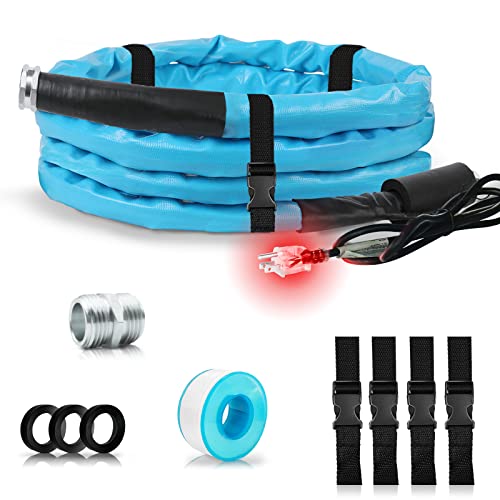
The OEBLD hose is the short option in this roundup, and that is exactly why it belongs here. At 15 feet, it is meant for tight setups where you do not need a long run from the faucet to the RV inlet. It is rated to keep water flowing in temperatures down to -45°F, and the 5/8-inch diameter gives it a more capable flow profile than a smaller 1/2-inch hose would. The hose is also described as lead-free and BPA-free, with a GFCI power outlet requirement for safer operation.
This is a useful pick when space is limited or when you want to keep the heated section as short as possible. It includes a storage bag, Teflon tape, and rubber washers, which makes the setup more complete than many bare-bones hoses. The downside is obvious: 15 feet is not enough for many RV campsites, so this is a specialized purchase rather than an all-purpose one. Still, for compact winter hookups, that shorter length can be an advantage rather than a limitation.
Pros:
- Compact 15-foot size for tight spaces
- Strong -45°F freeze-protection rating
- 5/8-inch diameter supports better flow than smaller hoses
- Lead-free and BPA-free materials
- Includes useful setup extras like a storage bag and tape
Cons:
- Too short for many campsite and property layouts
- Compact size limits placement flexibility
- Requires attention to power outlet compatibility
If you only need a short heated run, this model solves the job without paying for extra length you will not use. It is a niche option, but a sensible one for small spaces and close hookups.
Best for: RV owners with short water runs or limited space around the hookup.
Camco 50-foot Heated Water Hose

Camco’s 50-foot heated hose is the long-run version of a familiar RV product, and it makes sense for users who need more reach without moving away from a drinking-water-focused design. Like the shorter Camco hose, it is NSF/ANSI 61 certified, lead-free, BPA-free, and phthalate-free. Its thermostat-controlled heating cable is designed to conserve energy by heating only when needed, and the hose is rated to prevent freezing down to -20°F.
The main reason to choose this model is distance. Fifty feet gives you much more flexibility at campsites, on larger properties, or around livestock areas where the water source is not close to the destination. The trade-off is price, since this is one of the more expensive options listed here. If you need the length, though, the extra cost can be easier to justify than buying a shorter hose and trying to make up the gap with extensions.
Pros:
- Long 50-foot reach for flexible placement
- NSF/ANSI 61 certified drinking-water hose
- Lead-free, BPA-free, and phthalate-free materials
- Thermostat-controlled heating helps reduce wasted energy
- Useful for RVs, livestock areas, and larger properties
Cons:
- Higher price than shorter alternatives
- -20°F protection is adequate but not the strongest available
- Bulkier to store than 25-foot or 30-foot hoses
This is a strong choice when length matters more than compact storage. It keeps the Camco drinking-water advantages while giving you enough reach for situations where shorter hoses simply will not work.
Best for: Buyers who need a 50-foot heated hose and want drinking-water certifications.
Ficstar 50FT Heated Water Hose

Ficstar’s 50-foot hose is aimed at buyers who want a long heated hose with a strong freeze rating and a price that sits below some of the better-known premium choices. It is rated down to -45°F, uses a self-adjusting thermostat, and is built with a 5/8-inch inner diameter and 3/4-inch GHT adapter. The hose is also described as food-grade, lead-free, BPA-free, and odor-free, which keeps it in the running for RV water use.
It earns attention because it pairs a long length with a lower price than many 50-foot alternatives. The updated design places the heating wire in the middle of the hose and adds a thermostat controller, both of which are intended to improve safety and performance. That said, buyers who prefer a long-standing brand may still lean toward Camco. Ficstar is more appealing if you care most about the feature set and want a longer hose without jumping into the highest price tier.
Pros:
- 50-foot length for longer hookups
- Strong -45°F freeze-protection rating
- Lower price than many long-hose competitors
- Lead-free, BPA-free, and odor-free materials
- Self-adjusting thermostat design
Cons:
- Less established brand recognition
- 50-foot length can be cumbersome to store
- Technical claims are harder to verify than those from legacy brands
This is a sensible option for buyers who want a long hose and strong cold-weather protection without paying premium-brand prices. It is most attractive when you need flexibility and value at the same time.
Best for: RV owners or property users who want a long heated hose with a strong freeze rating at a moderate price.
Heated RV Water Hose 50 ft with Fittings

This 50-foot heated hose is another long-run choice, but it takes a slightly different approach by emphasizing leakage protection. It is made from lead-free, BPA-free PVC drinking-water pipe and is rated to keep the hose temperature around 77°F even when outdoor temperatures fall to -45°F. For people who have dealt with drips or loose fittings on cold-weather hoses, that extra focus on connection safety can matter as much as the freeze rating itself.
Its value lies in pairing reach with connection reliability. The longer hose length is useful for RVs, farms, gardens, and chicken coops, while the leakage protection device gives it a practical edge for users who want a little more confidence in the fittings. The main drawback is that the product details are a bit less standardized than those of major RV brands, so shoppers who want the most documented drinking-water pedigree may prefer Camco. Even so, it deserves a spot for its combination of length, temperature control, and leak-focused design.
Pros:
- 50-foot length for larger setups
- Strong freeze rating down to -45°F
- Leakage protection device adds peace of mind
- Lead-free and BPA-free drinking-water construction
- Useful for RV, farm, and garden use
Cons:
- Less established brand support than top RV names
- Long hose length can be harder to store
- Product details are less clearly documented than premium alternatives
Choose this one if your main concern is a long hose that can handle winter use while giving you some extra attention to leak prevention. It is a practical option for larger layouts where connection quality matters.
Best for: Users who need a 50-foot heated hose and want added leakage protection.
Heated Water Hose for RV 50ft with GFCI

This 50-foot VildVandring hose is very similar in purpose to the other value-oriented long hose in this roundup, but the built-in GFCI plug gives it an important safety angle. The hose is lead-free and BPA-free, uses a self-regulating heating system, and is rated for freeze protection down to -40°F. For outdoor use, the integrated ground-fault circuit interrupter is a meaningful feature because it can help reduce shock risk if something goes wrong with the electrical connection.
That makes this model a smart fit for readers who want a long, low-cost heated hose but are especially concerned about electrical safety. The reinforced construction, anti-kink design, and leak-prevention accessories are all practical details rather than flashy extras. The trade-off is that, like other budget hoses, it relies on fewer long-term brand signals than Camco, so buyers who want the most established option may still prefer the higher-priced route. For many shoppers, though, the GFCI plug is enough to tip the scales.
Pros:
- Integrated GFCI plug for added electrical safety
- 50-foot length works for larger setups
- Lead-free and BPA-free drinking-water materials
- Freeze protection down to -40°F
- Low price for the feature set
Cons:
- Less established than premium RV hose brands
- 50-foot hose is bulky to store and handle
- Not the strongest freeze rating in the group
If safety at the plug matters as much as hose performance, this is one of the more interesting value choices. It gives you long reach, solid freeze protection, and a useful electrical safeguard in one package.
Best for: Buyers who want a long heated hose with an integrated GFCI plug at a low price.
Buying Guide
Choosing a heated water hose is less about finding the highest-numbered freeze rating and more about matching the hose to your actual setup. Start with length. A hose that is too short creates more problems than it solves, while an overly long hose can be harder to store and usually costs more. Then check whether the hose is rated for drinking water if you plan to use it on your RV fresh-water system. If the hose will only supply livestock or outdoor chores, drinking-water certifications may still matter, but they may be less important than durability and reach.
It also helps to think about climate honestly. A hose rated to -20°F may be enough in many places, but if you routinely camp or live in much colder conditions, a -40°F or -45°F option may be more appropriate. Energy use matters too. Self-regulating or thermostat-controlled hoses typically heat only when needed, which can help reduce waste. Finally, look at the connections. Better fittings, washers, and leak-prevention details can save time and frustration in cold weather, when repairs are harder to deal with.
What matters most before you buy
- Length: Measure the distance from the faucet to the connection point before choosing a hose.
- Freeze rating: Match the hose to the coldest conditions you expect to face.
- Drinking-water safety: Look for lead-free, BPA-free, and relevant drinking-water certifications when using the hose for RV water.
- Power setup: Check that you have access to the right outlet and understand how the thermostat or heating cable works.
- Connector quality: Washers, fittings, and leak protection matter more than many buyers expect.
Common mistakes to avoid
- Buying a hose that is too short for the layout.
- Ignoring the difference between casual winter use and severe cold.
- Assuming every heated hose is safe for drinking water without checking the materials.
- Skipping outlet and cord compatibility checks.
- Forgetting that storage space matters, especially with 50-foot hoses.
FAQ
Do heated water hoses use a lot of electricity?
Most heated hoses use thermostat-controlled systems, so they do not heat constantly. That helps reduce energy use, especially in milder conditions. Actual power use depends on hose length, outside temperature, and how often the thermostat turns the heating cable on.
Can a heated water hose be used for drinking water?
Some can, but not all. If you plan to use the hose for an RV fresh-water system, look for lead-free, BPA-free construction and any drinking-water certifications listed by the manufacturer. That is more important than a high freeze rating alone.
What length heated hose should I buy?
Buy the shortest hose that still comfortably reaches your water source. A 25-foot hose works for many RV sites, 30 feet offers a little more flexibility, and 50 feet is better when the faucet is farther away or the layout is less convenient.
Is a higher freeze rating always better?
Not necessarily. A stronger rating is helpful in very cold climates, but it may come with a higher price or more hose bulk than you need. For many users, the right balance is more important than the highest rating on the box.
Final Recommendations
If you want the most balanced option, Camco’s 25-foot model is the easiest place to start because it combines drinking-water safety with a proven design. If your budget is tighter, RVGUARD gives you a practical 25-foot alternative. For harsher winter conditions, the VildVandring, Ficstar, and GFCI-equipped models offer stronger cold-weather coverage, while the 50-foot Camco hose is the safest pick when you need more reach and prefer a well-established brand. Match the hose to your climate and layout first, then choose the one that gives you the right mix of length, safety, and freeze protection.