Heating bills often rise for reasons that are easy to miss. A system can be working, yet still waste money through poor maintenance, heat loss, thermostat habits, airflow problems, or simple inefficiencies in how a home is used. The most useful resources for how to reduce heating bills usually focus on practical fixes, not major equipment replacement. That matters, because many households want lower costs without taking on a full renovation or furnace upgrade.
This guide looks at books and guides that approach the problem from different angles. Some focus on central heating, others on HVAC basics, maintenance, air leakage, or broader energy-saving habits. The right choice depends on whether you want to understand your system, cut waste around the house, or learn low-cost habits that add up over time. The recommendations below are not ranked by hype. They are grouped to help different readers find the kind of advice that matches their home, budget, and experience level.
Quick Answer
If you want practical help with how to reduce heating bills, start with a guide that matches your main problem. Homeowners with gas heat may benefit most from system-focused advice, while readers who want broad savings should look for energy-saving tips and maintenance guidance. If you are new to HVAC, a beginner-friendly manual can help you spot avoidable waste before it turns into expensive repairs.
Comparison Table
| Product | Best Use | Main Strength |
|---|---|---|
| Central Heating Practical | Gas-heated homes | Focuses on saving on gas and repair bills |
| HVAC for Homeowners Made Simple | General homeowners | Balances heating and cooling basics with maintenance |
| Basic Home Heating Maintenance for Beginners | New homeowners | Simple checks and habits for efficient operation |
| Stop Heating the Outside | Whole-home energy savings | Looks at common home hacks that reduce waste |
| Energy Saving Ideas GUARANTEED To Work | Readers wanting many tips | Large collection of practical savings ideas |
| How to Reduce Gas Bills | Gas bill reduction without replacement | Targets cost-cutting without changing the boiler |
| ThermaCels – Insulating Paint Additive | Homes considering coating-based insulation help | Material-based approach to reducing heat loss |
| The Ultimate HVAC Beginner’s Guide | HVAC beginners | Step-by-step system understanding and troubleshooting |
| How to Fix AC Systems | Homes with mixed cooling and ductwork issues | Useful for ductwork, mini-splits, and bill control |
How We Chose These Picks
These recommendations were selected to cover different ways of lowering heating costs. Some focus on maintenance, some on system knowledge, and some on broader utility-bill reduction. That matters because the right advice depends on what is driving your costs in the first place. A house losing heat through poor sealing needs different guidance than one with an aging furnace or a thermostat schedule that is simply working against the household.
Our Top Picks
Central Heating Practical: Saving On Gas & Repair Bills Year After Year

This guide is a sensible fit for homeowners who want to lower gas heating costs without making a major equipment change. The title points directly to two of the biggest cost drivers in winter, fuel use and repairs, which makes it useful for readers trying to control both monthly bills and long-term maintenance expenses. It is the kind of resource that should help readers think about system habits, recurring service issues, and small inefficiencies that slowly add up.
What makes it especially relevant is its narrow focus. Some books try to cover every home energy topic at once, but this one stays centered on central heating. That can be more useful if your main concern is gas usage rather than general electricity savings. It should appeal to people who already know their home heating setup is the main source of cost pressure and want a practical place to start.
Pros:
- Focused on central heating costs rather than broad theory
- Useful for readers dealing with gas bills and repair expenses
- Likely easier to follow than a general HVAC reference
- Relevant for households looking for year-round savings habits
- Appropriate for readers who want practical cost control, not system replacement advice
Cons:
- Less useful if your main heat source is electric or heat pump based
- May not cover every broader home energy issue in depth
- Best value depends on whether central heating is actually your biggest cost
If your winter costs are driven mainly by gas heat, this is a focused option that can help you think more clearly about recurring waste and maintenance-related spending. It is not trying to be everything for everyone, which is part of its appeal.
Best for: Homeowners with gas central heating who want practical ways to reduce both fuel and repair bills.
HVAC for Homeowners Made Simple: Heating and Cooling Basics, AC & Furnace Maintenance, Troubleshooting Tips, Lower Energy Bills, and How to Avoid Costly Repairs

This book is aimed at homeowners who want a broader understanding of their heating and cooling equipment, not just a list of quick savings tricks. Because it covers furnace maintenance, troubleshooting, and lower energy bills together, it can be useful for readers who suspect the problem is not one single issue. A heating system may be wasting money because of neglected filters, airflow problems, or simple misunderstanding of how the system should run.
Its main strength is balance. It does not focus only on one device or one kind of bill. Instead, it gives readers a more complete view of home HVAC basics, which can help them make smarter decisions before calling for repairs. That makes it a good middle-ground choice for homeowners who want enough detail to be useful without jumping straight into highly technical material.
Pros:
- Covers heating and cooling together, which helps readers see the bigger picture
- Includes maintenance and troubleshooting topics that can reduce avoidable waste
- Useful for readers who want to avoid costly repairs through early checks
- Approachable for homeowners with limited HVAC knowledge
- Good general reference for year-round energy efficiency habits
Cons:
- May be broader than needed if you only want heating-specific guidance
- Readers looking for a very short tip list may find it more detailed than necessary
- Not as specialized for gas-only or furnace-only households
This is a practical pick for readers who want a steady, all-around understanding of how HVAC choices affect bills. It is especially helpful if you want to lower heating costs by avoiding maintenance mistakes and learning what your system is telling you.
Best for: Homeowners who want a general HVAC reference with useful tips for lowering energy bills.
Basic Home Heating Maintenance for Beginners: Simple Checks and Habits to Keep Your Heating System Safe and Efficient

This is the kind of guide that can help readers who are new to home maintenance and want a simple way to start lowering heating bills. A lot of heating waste comes from neglected basics, such as dirty filters, blocked vents, or habits that make a system work harder than necessary. A beginner-focused maintenance book can be valuable because it explains those small checks before they turn into larger costs.
It stands out for accessibility. Some references assume the reader already understands HVAC systems, but this one is built around simple habits and safety-conscious checks. That makes it a sensible low-cost choice for first-time homeowners, renters with permitted access to their systems, or anyone who wants a straightforward maintenance routine. If your goal is to reduce heating bills through regular care rather than technical repair, this is a practical place to begin.
Pros:
- Beginner-friendly and easy to understand
- Focuses on simple maintenance habits that support efficiency
- Covers safety as well as cost control
- Low price makes it accessible for cautious first-time buyers
- Useful for preventing small problems from becoming expensive ones
Cons:
- May be too basic for experienced homeowners
- Likely less useful for advanced troubleshooting needs
- Not designed for readers seeking deep technical detail
If you want a gentle introduction to heating maintenance, this guide offers a simple starting point without assuming much prior knowledge. It is a strong fit for readers who want lower bills through routine care and better habits.
Best for: Beginners who want simple heating maintenance habits that support safety and efficiency.
Stop Heating the Outside: The Smart Home Hacks That Slash Utility Bills Fast

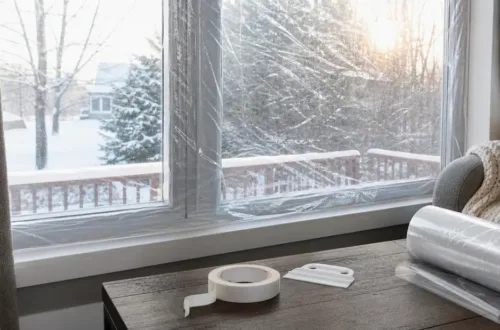
This title speaks directly to one of the most common causes of wasted money in winter: heat loss. When homes leak warm air through drafty windows, poor sealing, or inefficient habits, the heating system has to run longer just to maintain comfort. A guide built around smart home hacks can help readers identify those everyday losses and fix the easiest ones first.
It belongs in this list because not every reader needs furnace advice. Some households need better insulation habits, better room-use strategies, or a clearer view of where their heated air is escaping. That makes this a good companion resource for people who want low-cost changes before considering bigger upgrades. If your main goal is to reduce heating bills quickly by stopping obvious waste, this type of practical home-saving advice is especially relevant.
Pros:
- Targets heat loss and utility waste directly
- Helpful for readers who want quick, low-cost improvements
- Useful for apartments, houses, and other spaces with draft issues
- Broad enough to cover several common household efficiency problems
- Good complement to system-specific heating guides
Cons:
- May be less focused on equipment maintenance than some readers need
- Results depend on how much heat loss your home actually has
- Some tips may be more useful in older or leakier homes
This is a practical option for readers who want to reduce waste without dealing with major system work. It fits best when the problem is not just the heater, but the home around it.
Best for: Readers looking for fast, practical ways to reduce heat loss and utility waste.
Energy Saving Ideas GUARANTEED To Work. 101 Energy Saving Tips. REDUCE Your Gas & Electric Bills NOW!

Readers who want a wide range of ideas rather than a single topic may find this guide useful. With 101 tips, it is built as a broad collection of cost-saving suggestions for both gas and electric bills. That can be helpful if you are not yet sure where your biggest waste is coming from and want a long list of starting points to compare against your own home.
This book deserves attention because flexibility matters. Some households need thermostat advice, others need sealing and insulation reminders, and some need maintenance habits that reduce heating demand indirectly. A tip-heavy guide like this can help readers assemble a simple plan from multiple small changes. It is especially relevant if you want more than a one-topic manual and prefer to scan a variety of ideas before deciding what to act on first.
Pros:
- Large collection of ideas gives readers many possible starting points
- Covers both gas and electric bills
- Useful for households that want broad savings, not just heating-specific advice
- Can help readers compare several low-cost approaches
- Good for people who like short, practical tips
Cons:
- Broad tip collections can vary in depth from one topic to the next
- May be less focused than a dedicated heating or HVAC manual
- Readers wanting detailed technical guidance may need another resource too
This is a useful pick if you want a wide set of money-saving ideas and do not mind sorting through them to find the most relevant ones. It works best as a practical reference rather than a deep technical manual.
Best for: Readers who want a broad set of energy-saving tips for gas and electric bills.
How to Reduce Gas Bills: Practical Ways to Save Money Without Replacing Your Boiler

This guide is aimed at readers who want lower gas bills without jumping straight to a boiler replacement. That is a realistic need for many homes, especially when the existing system still works but seems expensive to run. Advice like this is useful because it focuses on practical savings first, which is often where the quickest payback comes from.
It stands out by setting a clear boundary around the problem. Not every household needs new equipment. Sometimes the smarter move is improving settings, habits, and maintenance before making a large investment. That makes this book appealing to homeowners who want to manage heating costs more carefully and avoid unnecessary replacement decisions. It is a good match for readers who want targeted gas-bill guidance rather than a broad HVAC overview.
Pros:
- Directly focused on reducing gas bills
- Helpful for readers who want savings without replacing a boiler
- Likely practical for homes with working but costly heating systems
- Targeted advice can be easier to apply than broad energy guidance
- Useful for budget-conscious homeowners
Cons:
- Not relevant for homes without gas heat
- Less useful if the boiler already needs replacement
- May not address whole-home energy use in detail
If your main concern is gas heating expense, this is one of the more directly relevant choices in the list. It is especially sensible for readers who want cost-saving guidance before considering any major equipment change.
Best for: Homeowners who want practical gas bill savings without replacing their boiler.
ThermaCels – Insulating Paint Additive 12 Gallon Box

This is a more unusual option in the group because it is not a book. Instead, it is a material additive that can be mixed into paint or coating to add insulating benefits. According to the product information, it is designed to reduce heat and cooling loss without changing the basic properties of the paint. For homeowners planning a painting project, that can make it a specialized way to support energy efficiency in the areas being coated.
It deserves a place here because reducing heating bills is not always about habits alone. Sometimes the building envelope matters just as much as the heating system. A product like this may appeal to readers who are already repainting and want to think about insulation-related improvements at the same time. It is not a casual impulse purchase, though. The cost is higher than the books in this list, so it makes the most sense when the added material fits a larger home improvement plan.
Pros:
- Can be mixed into paint or coating during a planned project
- Designed to add insulating benefits while keeping paint behavior unchanged
- May help reduce heat loss in treated areas
- Useful for readers already budgeting for painting work
- Sold in sizes matched to the amount of paint being used
Cons:
- Much more expensive than the book-based options
- Best suited to renovation or repainting plans, not quick fixes
- Results will depend on how and where it is used
This is a niche product, but it may be worth considering if you are already doing coating work and want to add another layer of energy-conscious planning. It is better viewed as a home-improvement material than as a standalone answer to heating bills.
Best for: Homeowners planning painting or coating projects who want an insulation-related additive.
The Ultimate HVAC Beginner’s Guide: A Step-by-Step Manual to Understanding, Maintaining, and Troubleshooting Home Heating, Ventilation, and Air Conditioning Systems

For readers who want to understand how their home heating system works from the ground up, this guide offers a structured starting point. It is especially relevant when lower heating bills depend on more than one issue, such as poor maintenance, airflow problems, or a general lack of understanding about system operation. A step-by-step manual can help beginners become more confident before making changes or calling a technician.
This book is a strong fit for readers who prefer learning the basics before acting. That matters because the quickest way to reduce waste is often to know what should be checked first and what problems can wait. It is broader than a heating-only guide, which means it may be more helpful for homeowners who want to understand the entire HVAC picture rather than one part of it. If you are new to home systems and want a practical foundation, it is a solid educational option.
Pros:
- Step-by-step format is approachable for beginners
- Covers heating, ventilation, and cooling together
- Useful for learning maintenance and troubleshooting basics
- Can help readers make better decisions before paying for repairs
- Good foundational reference for homeowners
Cons:
- May be broader than necessary for readers focused only on heating bills
- Less specialized than a gas-only or furnace-only guide
- Beginners may outgrow it if they need advanced technical detail
This is a sensible choice for readers who want to build confidence with HVAC basics before trying to cut bills. It is educational first, which makes it useful for long-term understanding as well as short-term savings.
Best for: Beginners who want a step-by-step introduction to HVAC maintenance and troubleshooting.
How to Fix AC Systems – Maintain Ductwork, Window Units, Portable Coolers, and Reduce Bills

This guide is most useful for readers whose heating and cooling costs are affected by system performance issues beyond the furnace itself. It covers ductwork, window units, portable coolers, and mini-splits, which makes it more relevant for homes where airflow and efficiency problems affect the overall utility bill. Even though the title leans toward AC repair, a lot of the same waste-related thinking applies to winter energy use as well.
It earns a place on this list because bill reduction often starts with diagnosing where energy is being lost or used inefficiently. If your home has ductwork issues, aging supplemental systems, or mixed HVAC equipment, a guide like this can help you think in terms of maintenance and troubleshooting rather than guessing. It is not the first pick for someone who only wants boiler advice, but it can be useful for readers managing a more complex home setup.
Pros:
- Covers several HVAC-related system types
- Useful for readers dealing with ductwork or equipment efficiency problems
- Low price makes it accessible
- Helpful for DIY-minded homeowners
- Can support broader utility-bill reduction thinking
Cons:
- More focused on cooling systems than heating-specific savings
- May be too broad for readers with a simple furnace setup
- DIY repair topics may not suit every homeowner
This is a practical add-on for households where HVAC issues are tied to several different systems. It is best viewed as a troubleshooting and efficiency guide for homes with more than one moving part.
Best for: DIY homeowners who want help with HVAC troubleshooting, ductwork, and bill reduction.
Buying Guide
When you are trying to lower heating bills, the first step is identifying what is actually driving the cost. In some homes, the problem is simple equipment maintenance. In others, the issue is heat loss, poor thermostat use, or a system that is working harder than it should. The most useful resources do not just promise savings. They help you understand whether the fix should start with the heater, the house, or your day-to-day habits.
If your home uses gas heat, a gas-focused guide may be the most direct choice. If you want broader savings, a general HVAC or energy-saving book may be more helpful. Beginners often do better with maintenance-first resources, because small checks can prevent waste and reduce the risk of expensive repairs. The best option is the one that matches your current problem instead of trying to solve every household energy issue at once.
Common Mistakes When Trying to Reduce Heating Bills
- Ignoring maintenance: A neglected system often costs more to run than one that is checked regularly.
- Focusing only on the heater: Heat loss through doors, windows, ducts, and attic spaces can be just as important.
- Buying the wrong type of guide: A gas-specific book may not help an electric-heated home, and vice versa.
- Expecting one fix to solve everything: Lower bills usually come from several small improvements, not one change.
- Skipping safety concerns: Any heating-related work should stay within safe limits for the homeowner.
Frequently Asked Questions
What is the easiest way to start lowering heating bills?
Start with maintenance and simple habit changes. Clean filters, check vents, review thermostat settings, and look for obvious drafts or heat loss before considering larger changes.
Should I buy a heating-specific book or a general HVAC guide?
If your main issue is gas or furnace cost, a heating-specific guide is usually more useful. If you want to understand the whole home system, a general HVAC guide gives broader context.
Can small changes really reduce heating bills?
Yes, especially when several small problems are adding up. Better maintenance, fewer drafts, and smarter heating habits can make a noticeable difference over time.
Do I need technical experience to use these resources?
Not necessarily. Several of the recommendations are written for beginners and focus on simple maintenance or practical savings rather than advanced repair work.
Final Recommendations
If your main goal is to cut gas spending, choose a focused guide like How to Reduce Gas Bills or Central Heating Practical. If you want to understand your system before making changes, HVAC for Homeowners Made Simple and The Ultimate HVAC Beginner’s Guide are stronger fits. Readers who want fast, low-cost ideas should look at Stop Heating the Outside or Energy Saving Ideas. For hands-on maintenance help, Basic Home Heating Maintenance for Beginners is the most approachable place to begin.