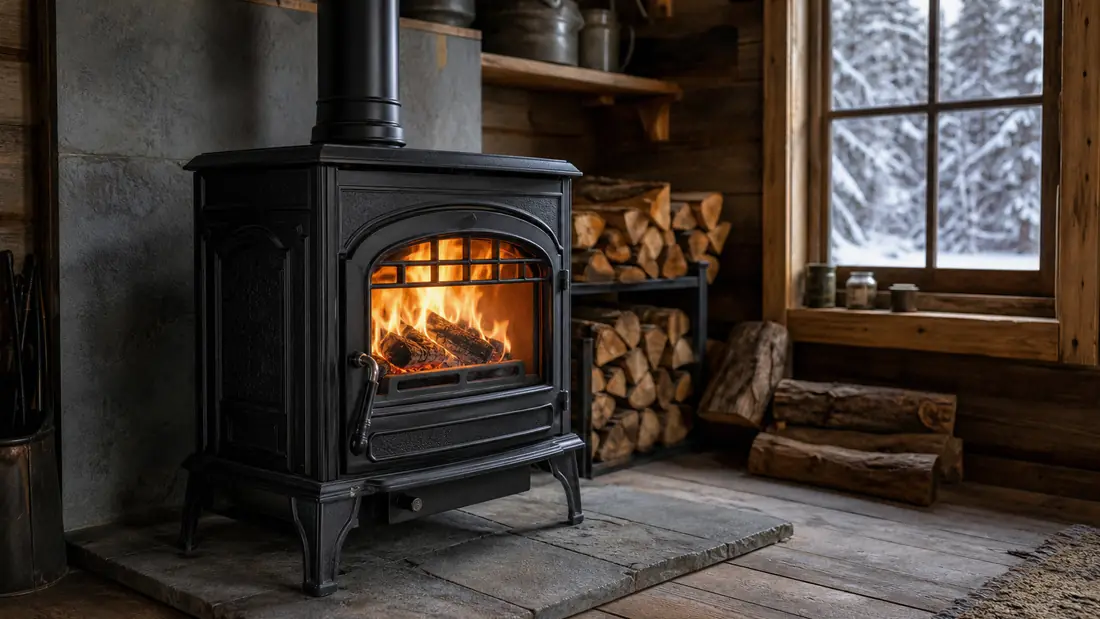
Choosing a best indoor wood stove starts with the room you want to heat, how often you plan to use it, and whether you need cooking capability or backup heat during outages. A stove that is well matched to a small cabin can be frustrating in a larger home, while an oversized unit may run hotter than you need and be harder to manage efficiently. The picks below cover compact heaters, mid-size home stoves, larger furnace-style models, and a few versatile options for off-grid or emergency use.
The recommendations are selected to reflect different needs rather than to suggest that one stove is right for everyone. Some readers need a compact unit for a tight space. Others want longer burn times, stronger heat output, or a stove that can double as a cooktop. Use the comparisons to narrow down which design fits your space, installation plans, and daily heating habits.
Quick Answer
If you want a straightforward indoor wood stove for a small home or cabin, the Comfort Glow Mighty Mini Wood Stove is a practical place to start. For a larger space, the US Stove 1,200 Sq. Ft. Wood Stove or the Breckwell 113,000 BTU Wood Burning Stove may make more sense. If your priority is cooking and backup heat in an off-grid setting, the Trailblazer Cookstove offers a different kind of value.
Comparison Table
| Product | Heat Coverage | Notable Strength | Best Use Case |
|---|---|---|---|
| Comfort Glow Mighty Mini Wood Stove | Up to 750 sq. ft. | Compact footprint with viewing glass | Small homes, cabins, and tighter layouts |
| US1261E 900 sq. ft. Cast Iron Log Wood Stove | Up to 900 sq. ft. | No electricity required | Simple, budget-minded supplemental heat |
| Comfort Glow Cast Iron Wood Stove | Up to 900 sq. ft. | Cooktop surface and long log capacity | Cabins and off-grid spaces needing heat plus cooking |
| US Stove 1,200 Sq. Ft. Wood Stove | Up to 1,200 sq. ft. | Longer burn times and large viewing window | Mid-size rooms and small homes |
| Dorello Compact Wood Burning Camping Stove | Compact heater | Chimney pipe included | Cabins, workshops, and portable off-grid use |
| Pddolw Indoor Wood-Burning Heating Stove | Small-scale heating | Airtight design and ash box | Budget cooking and heating in simple setups |
| Indoor Wood-Burning Heating Stove, Thickened Cast Iron Rural Heating Stove | Multi-use burner | Smokeless-style burn and fuel flexibility | Cooking, boiling, and supplemental heat |
| Comfort Glow Wood Furnace | Up to 3,500 sq. ft. | Dual blowers for heat circulation | Large homes and bigger indoor spaces |
| Breckwell 113,000 BTU Wood Burning Stove with Blower | Up to 2,500 sq. ft. | Strong output with wood storage base | Heavier-duty home heating |
Our Top Picks
These indoor wood stove options are arranged to help different types of buyers, not to force a single ranking across very different use cases. The right choice depends on square footage, installation space, how much fire management you want to do, and whether you value cooking features, blower assistance, or a more compact footprint. A smaller stove can make sense in a well-insulated cabin, while a larger blower-equipped model is better for broader heating needs.
Comfort Glow Mighty Mini Wood Stove

The Comfort Glow Mighty Mini is designed for people who want real wood heat without giving up too much floor space. It is rated to heat up to 750 square feet, which makes it a better fit for small homes, cabins, and compact living spaces than for large open layouts. The unit accepts logs up to 11 inches long, and its EPA certification is an important detail for buyers who want a cleaner-burning indoor stove. The front viewing glass adds some atmosphere, but the main appeal here is practicality: a small footprint, standard 6-inch flue compatibility, and a format that is easier to place than many larger stoves.
What separates this model from larger options is its balance between size and everyday usability. It is not trying to heat a whole house, and that restraint is part of its value. Compared with heavier furnace-style stoves, it should be easier to fit into a modest room or cabin setting while still offering dependable heat. The modern look also helps if the stove will be visible in a living space rather than tucked away in a workshop or utility area. Buyers should still make sure the 750-square-foot rating matches their insulation level and layout, since poorly insulated spaces will need more output than the number alone suggests.
Pros:
- Compact size works well in cabins, tiny homes, and smaller rooms
- EPA-certified design supports cleaner burning
- Viewing glass adds fire visibility without making the stove oversized
- Accepts 11-inch logs for manageable fuel loading
- Fits a standard 6-inch flue setup
Cons:
- Not suitable for larger homes or open floor plans
- Shorter log capacity means more frequent refueling than larger stoves
This is a sensible choice if you need a compact indoor stove that focuses on efficient supplemental heat rather than maximum output. It fits a specific need very well, especially where space is limited and a simpler installation is preferred.
Best for: Small homes, cabins, and space-conscious buyers who want a clean-burning indoor wood stove.
US1261E 900 sq. ft. Cast Iron Log Wood Stove

The US1261E is a straightforward cast iron wood stove rated for up to 900 square feet and 54,000 BTUs. That puts it in the category of practical home supplemental heaters rather than whole-house furnaces. Its 1.2 cubic foot firebox is modest, but the non-catalytic secondary burn system helps improve burn efficiency without adding the complexity some buyers want to avoid. Because it does not require electricity, it can be especially useful in rural homes or in setups where power outages are a regular concern.
This model earns attention because it keeps the feature set focused. You do not get a large blower system or extra cooking surface, but you do get a simpler heating appliance that can suit buyers who want dependable heat with fewer extras to manage. Compared with the Comfort Glow Mighty Mini, it is aimed at roughly the same room size but brings a different trade-off: a plain, functional heating approach at a slightly lower price point. That makes it worth considering if your priority is heat first and appearance or add-on features second.
Pros:
- Reasonable heating capacity for small to mid-size spaces
- No electricity required, which helps during outages
- Secondary burn design supports better fuel use
- Cast iron construction helps with heat retention
- Competitive price for a basic indoor wood stove
Cons:
- Firebox size is smaller than many mid-range competitors
- Lacks the visual and convenience features found on some other models
If you want a no-frills heater for a cabin or modest living area, this stove fits that job well. It is most appealing to buyers who care more about dependable heat and less about extras.
Best for: Budget-conscious buyers who want simple, electricity-free indoor wood heat.
Comfort Glow Cast Iron Wood Stove

This Comfort Glow model is aimed at buyers who want a compact indoor wood stove with a bit more versatility than a basic heater. It is rated for up to 900 square feet and accepts logs up to 22 inches, which can reduce the number of times you need to reload compared with smaller fireboxes. The cast iron body is meant to retain heat well, and the EPA-certified design should appeal to users who want cleaner indoor burning. One especially practical feature is the integrated cooking surface, which gives the stove a role beyond space heating.
It stands out because it combines a modest footprint with a longer log capacity and a flat top for boiling or warming food. That makes it more useful than a plain stove in cabins, backup-heating setups, or off-grid spaces where one appliance may need to serve more than one purpose. Compared with the smaller Comfort Glow Mighty Mini, this version gives you more log flexibility and a cooking surface, though it also takes a little more room and planning. Buyers should think about whether they will actually use the cooktop, since that feature only matters if the stove is part of daily living or emergency readiness.
Pros:
- Heats up to 900 square feet
- Accepts longer 22-inch logs for longer burn intervals
- Integrated cooktop adds useful versatility
- Cast iron build supports good heat retention
- EPA certification is a plus for cleaner burning
Cons:
- Not a substitute for a larger furnace in big homes
- Cooking surface is useful, but it is still a trade-off against overall simplicity
This is a balanced choice for buyers who want practical heat and occasional cooking support in a compact indoor stove. It fits best where space is limited but flexibility still matters.
Best for: Cabins, off-grid homes, and smaller spaces that need heat plus a cooktop.
US Stove 1,200 Sq. Ft. Wood Stove

The US Stove 1,200 Sq. Ft. model moves into a more capable mid-size heating category. With a 68,000 BTU rating and room coverage up to 1,200 square feet, it is better suited to a larger living area than the smaller 750 to 900 square foot units. It accepts logs up to 18 inches, and the built-in ash drawer makes cleanup easier than designs that require more manual ash handling. The large ceramic glass viewing window is also worth noting if you want a stove that feels less utilitarian and more like part of the room.
This model deserves attention because it offers a practical middle ground. It has more reach than the compact stoves, but it does not jump all the way to a furnace-style unit. The option to use either adjustable legs or a pedestal base gives it some flexibility in how it fits a room, though the blower is sold separately. That means buyers need to think about whether they want passive radiant heat only or plan to add forced-air circulation later. For homes that are not huge but still need more than a small heater can provide, this is a sensible step up.
Pros:
- Suitable for spaces up to 1,200 square feet
- Longer burn times reduce frequent tending
- Large viewing window adds visibility and ambiance
- Ash drawer simplifies routine cleanup
- Flexible base options help with placement
Cons:
- Blower is not included
- More expensive than smaller stoves
For buyers who need more output than a compact stove can provide, this model is a reasonable middle-ground choice. It suits homes and cabins that want steady heat without jumping to a much larger furnace.
Best for: Mid-size homes and larger cabins that need stronger heating coverage.
Dorello Compact Wood Burning Camping Stove
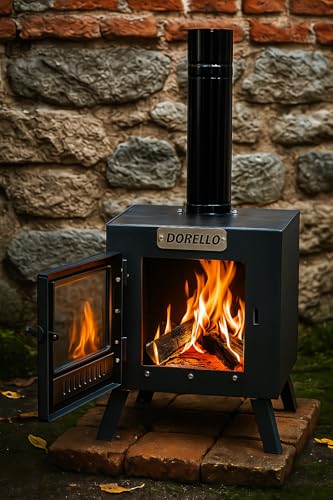
The Dorello Compact Wood Burning Camping Stove is a smaller freestanding heater designed for cabins, tents, workshops, and off-grid use. It includes a chimney pipe, which matters because ventilation is one of the biggest practical concerns with compact wood stoves. The fold-out legs help keep it elevated, and the glass front door lets you monitor the flame while adding a little visual appeal. Its size makes it easier to move than heavier indoor heaters, though that portability also means it is not aimed at large-scale home heating.
What makes this model useful is its simplicity. It is not trying to compete with higher-output furnaces, and that makes it easier to place in a small shelter or seasonal space. Compared with the Pddolw or the generic camping-style heaters, it feels more streamlined for someone who wants a compact wood burner with included venting pieces. It can be a practical choice for readers who need a stove for occasional use, temporary setups, or structures where a full-size indoor stove would be too much. Buyers should still pay close attention to venting and clearance requirements, since those matter as much as the stove itself.
Pros:
- Compact size suits small shelters and portable use
- Chimney pipe is included
- Freestanding design adds stability
- Glass door allows fire monitoring
- Useful for cabins, tents, and workshops
Cons:
- Not meant for larger living spaces
- Less feature-rich than full indoor home stoves
This is a practical option when portability and basic heating matter more than high output. It fits best in smaller off-grid spaces where the installation needs to stay simple.
Best for: Cabins, workshops, and buyers who need a compact stove with included chimney components.
Pddolw Indoor Wood-Burning Heating Stove

The Pddolw Indoor Wood-Burning Heating Stove is aimed at buyers who want a low-cost, multi-purpose heater and cooker for simple indoor or camping use. Its fully welded, airtight construction is meant to improve heat retention, while the ash box helps keep cleanup more controlled. The stove can burn wood, coal, branches, and wood chips, which gives it some flexibility if fuel availability is a concern. That versatility can be useful in rural settings where the goal is to use what is on hand rather than buy a single fuel type.
This model is best viewed as a utility stove rather than a refined home appliance. It offers basic heating and cooking support at an accessible price, and that is the reason it belongs in this list. Compared with the more polished Comfort Glow models, it is less focused on appearance and more focused on simple function. The trade-off is that buyers should approach it with realistic expectations about finish quality, long-term refinement, and the amount of space it can heat. For backup use, outdoor shelter use, or very simple heating needs, it can still make sense.
Pros:
- Low price compared with many indoor wood stoves
- Airtight design helps retain heat
- Can burn several natural fuel types
- Ash box improves cleanup
- Useful for both heating and cooking tasks
Cons:
- Less refined than mainstream home stoves
- Better suited to simple or backup use than primary whole-room heating
If you want a basic wood stove for light-duty heating and cooking, this is a budget-friendly option. It makes the most sense when versatility matters more than a polished indoor look.
Best for: Budget buyers, backup setups, and users who want a simple multi-fuel stove.
Indoor Wood-Burning Heating Stove, Thickened Cast Iron Rural Heating Stove
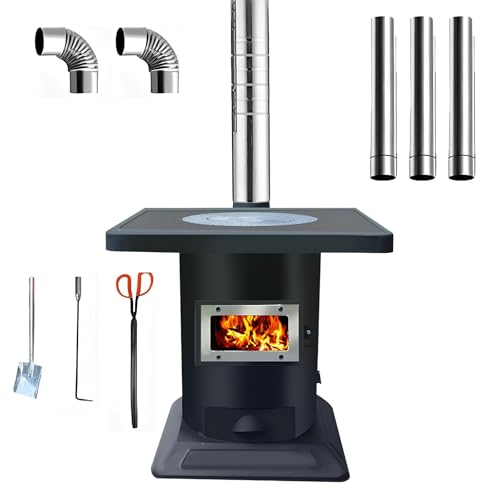
This rural-style wood burner is built for people who need a stove that can do more than heat a room. It is designed for heating, boiling water, cooking, and stir-frying, so it fits better in a utility-focused or off-grid environment than in a polished living room setup. The ashbox design helps keep embers contained, and the thick cast iron interior is meant to support high-heat use over time. The manufacturer also describes a cleaner-burning gasification-style process, which suggests an emphasis on improved combustion and fuel savings compared with more basic stoves.
It earns a place here because it addresses a different kind of buyer: someone who values function across multiple tasks. Compared with the smaller indoor heaters, this one makes more sense where the stove is part of daily living, meal preparation, or backup routines. The trade-off is that its design language is more utilitarian, and the setup is more appropriate for rural, off-grid, or camp-style use than for a standard suburban interior. If you need one appliance to help with warmth and simple cooking, this stove is worth a closer look.
Pros:
- Supports heating and multiple cooking tasks
- Fuel flexibility can help in remote settings
- Ashbox design improves cleanup and ember control
- Thick cast iron interior supports higher heat use
- Viewing window helps monitor the fire
Cons:
- More utilitarian than conventional indoor home stoves
- Better suited to rural or off-grid use than formal living spaces
This stove is a practical fit if you want one burner to handle several jobs. It works best where utility matters more than finish quality or decorative appeal.
Best for: Off-grid users, rural homes, and buyers who need cooking plus heating in one stove.
Comfort Glow Wood Furnace

The Comfort Glow Wood Furnace is built for buyers who need much more heat than a standard compact stove can provide. It is rated to heat up to 3,500 square feet and uses dual 500 CFM blowers to help move warm air through a larger space. The firebox accepts logs up to 23 inches, which can reduce the frequency of reloads and support longer burn intervals. It also uses a firebrick-lined firebox and a cast-iron door with a viewing window, so the unit combines durability with a more finished appearance.
This model stands apart because it is closer to a furnace than a typical room heater. That matters for large homes, big open areas, or anyone trying to heat multiple zones more evenly. The 2020 emissions compliance is also important for buyers who want a cleaner-burning option in a larger appliance class. Compared with the smaller 900 to 1,200 square foot stoves, this unit is simply in a different category. It costs more and requires more space, but for the right buyer, those trade-offs are reasonable because the heating capability is much higher.
Pros:
- Strong heat output for large spaces
- Dual blowers help move heat more evenly
- Long log capacity can reduce refueling frequency
- Firebrick lining supports heat retention
- Meets 2020 emissions standards
Cons:
- Higher purchase price than smaller stoves
- More stove than most small cabins or apartments need
If you are heating a large indoor area, this furnace-style model deserves consideration. It is not a space-saving option, but it is much better suited to bigger homes that need serious output.
Best for: Large homes, big cabins, and buyers who need blower-assisted heat circulation.
Breckwell 113,000 BTU Wood Burning Stove with Blower
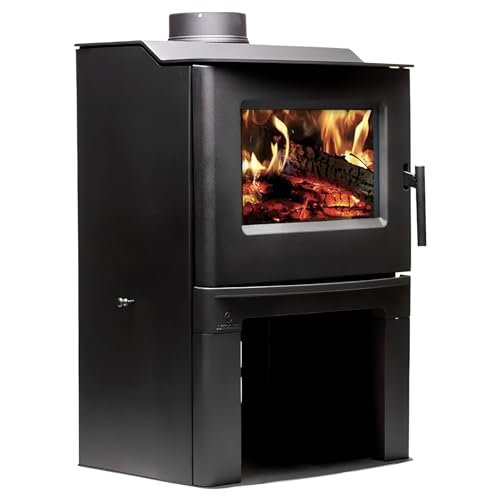
The Breckwell 113,000 BTU Wood Burning Stove with Blower is another strong option for buyers with a larger heating load. Rated for up to 2,500 square feet, it sits below the Comfort Glow Wood Furnace in coverage but still offers much more output than a compact indoor stove. The thermostatic blower helps circulate heat, and the 21-inch log capacity is useful if you want longer burns and fewer interruptions. The pedestal base with wood storage also adds a practical touch, especially if you prefer keeping fuel close to the stove.
It belongs on this list because it bridges the gap between a standard room heater and a full furnace-style appliance. The high BTU output gives it a clear advantage in colder climates or bigger homes where warmth needs to move beyond the room where the stove sits. Compared with the 1,200 square foot US Stove model, this one is aimed at much larger spaces and includes more support for heat distribution. Buyers should keep in mind that this is a substantial appliance, so room size, installation, and clearance planning all matter before purchase.
Pros:
- High BTU output supports larger indoor spaces
- Thermostatic blower helps spread heat
- Long log capacity reduces reload frequency
- Pedestal base includes wood storage
- Strong warranty coverage on major parts
Cons:
- More expensive than mid-size stoves
- Likely more stove than a small room or cabin needs
This is a serious heating appliance for buyers who need more output and better circulation than a small indoor stove can provide. It fits large spaces where reliability and burn duration matter more than compact size.
Best for: Larger homes, spacious cabins, and cold-climate buyers who want blower-assisted heat.
Buying Guide
When comparing indoor wood stoves, the first question is not which one is strongest. It is which one matches your room size and your real heating habits. A stove that is too small may never keep up on cold days, while one that is too large can make the room uncomfortable and may be harder to operate efficiently. Burn time, log length, and airflow control matter just as much as headline square-foot ratings.
Room Size and Heat Output
Manufacturers often list square-foot coverage, but those numbers are only a starting point. Insulation quality, ceiling height, layout, and local climate can all change how a stove performs. Small cabins and tight living spaces often work well with 750 to 900 square feet of coverage. Mid-size homes usually need something closer to 1,200 square feet. Larger homes or open interiors may need a furnace-style model or blower assistance.
Log Capacity and Burn Time
Longer log capacity usually means fewer trips to the woodpile. Smaller stoves often use 11-inch logs, while mid-size and larger models may accept 18-, 21-, 22-, or even 23-inch logs. That does not automatically make a stove better, but it does affect convenience. If you want overnight heat or fewer reloads, log length matters.
Cast Iron vs. Steel
Cast iron is valued for heat retention and traditional durability, while steel stoves often warm up more quickly and may weigh less. Some buyers prefer the look and thermal mass of cast iron, especially in living spaces. Others care more about heat response or portability. Neither material is automatically better. The more useful question is which one fits your setup and maintenance preferences.
EPA Certification and Emissions
EPA-certified stoves are designed to burn more cleanly and produce fewer emissions than older, less efficient models. For many indoor buyers, that matters both environmentally and practically. Cleaner burning often also means better fuel use when the stove is operated correctly. Still, even an EPA-certified stove needs dry wood, proper draft, and safe installation to perform as intended.
Cooking Surfaces and Extra Features
Some indoor wood stoves include a cooktop, glass viewing window, or blower. These extras can be useful, but only if you will actually use them. A cooktop helps in cabins and off-grid homes. A blower helps spread heat in larger rooms. A viewing window is mostly about comfort and ambiance. The right add-ons depend on how you plan to live with the stove day to day.
Installation and Safety
Indoor wood stoves need proper venting, enough clearance from combustibles, and a suitable hearth or floor protection. That is not an area to guess about. The manual and local code requirements should guide your setup. If you are unsure about chimney sizing, clearance, or heat shields, it is worth getting experienced help before use. Safety and performance are closely connected with wood-burning appliances.
Frequently Asked Questions
What size indoor wood stove do I need?
Start with the space you want to heat, then adjust for insulation and room layout. Smaller stoves are usually enough for cabins, bedrooms, or compact homes. Larger rooms and open floor plans often need a more powerful stove or blower assistance.
Are wood stoves good for backup heat?
Yes, many people use them that way. A wood stove can be useful during outages, especially if it does not rely on electricity. Just make sure the installation is safe and that you have a dry wood supply ready.
Do I need an EPA-certified wood stove?
In many cases, EPA-certified models are a better choice because they are designed to burn more cleanly and efficiently. That said, the right stove still depends on room size, budget, and how often you plan to use it.
Is a blower necessary?
Not always. A blower helps move heat into larger spaces, but many smaller rooms can be heated well without one. If your home has open areas or you want more even circulation, a blower can be helpful.
Can a wood stove also cook food?
Some models can. Stoves with a flat top or cook surface are better for boiling, warming, or light cooking. They are useful in cabins and off-grid settings, though they are not the same as a dedicated kitchen appliance.
Final Recommendations
The right indoor wood stove depends on whether you are heating a small cabin, a mid-size home, or a larger indoor space that needs stronger circulation. Compact models make sense when floor space is limited. Mid-size stoves are better if you want a balance of heat and efficiency. Larger furnace-style units are worth considering only when the space truly calls for them. Matching the stove to the room is the part that matters most.
If you want a compact, practical starting point, the Comfort Glow Mighty Mini is the easiest fit for smaller spaces. If your home or cabin needs more coverage, the US Stove 1,200 Sq. Ft. model offers a good middle ground. For larger interiors, the Comfort Glow Wood Furnace and Breckwell 113,000 BTU model are better aligned with serious heating demands. Choose based on your space first, then compare the extra features that actually change daily use.