Space heaters can be safe when they are used the right way, but they are still high-heat appliances that need careful handling. The biggest mistakes usually have less to do with the heater itself and more to do with placement, power use, and unattended operation. A safe space heater is only part of the equation. The room setup, outlet quality, and user habits matter just as much.
Short Answer
Yes, space heaters can be safe for indoor use if they include basic protection features and are used according to the manufacturer’s instructions. The most important safeguards are tip-over protection, overheat shutoff, and flame-retardant materials. Just as important, they should be plugged directly into a wall outlet, kept away from bedding and curtains, and turned off when you leave the room or go to sleep.
If the heater is intended for a desk or workplace, the same safety principles still apply, but size, noise, controls, and placement become especially important. Our guide to choosing a space heater for an office looks at models suited to different workspace setups.
What Makes a Space Heater Safer
When people ask, are space heaters safe, they are usually really asking which features reduce risk. The most useful built-in protections are automatic shutoff if the heater gets too hot and tip-over protection if it falls over. These features help lower the chance of fire or damage, but they do not remove all risk.
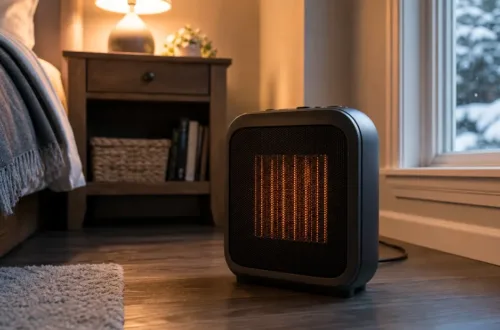
Other helpful details include a stable base, a thermostat, and a housing made with flame-retardant materials. For most homes, a compact ceramic heater with these features is a practical choice for small rooms, desks, or personal use. Larger rooms may need a different heating approach, because a small space heater often works harder than people expect and should not be used as a whole-home solution.
Common Safety Risks
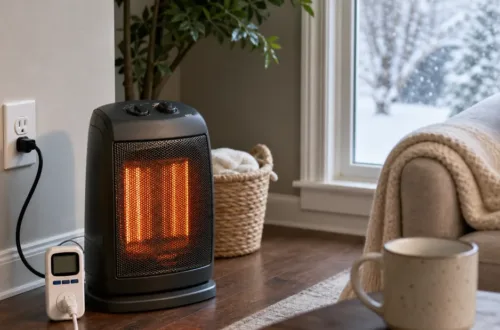
The main risk with a space heater is fire. That risk goes up when a heater is placed too close to anything that can burn, such as curtains, blankets, furniture, paper, or clothing. It also rises when people use extension cords, power strips, or overloaded circuits. Many manufacturers specifically warn against those setups.
Another concern is leaving a heater unattended. Even with modern safety features, a heater should not be treated like a set-and-forget appliance. Children and pets can also create problems if they knock the unit over or get too close to the hot surface or outlet cord. Moisture is another issue. Unless a model is specifically rated for it, bathrooms and laundry rooms are poor places for a space heater.
How to Use a Space Heater More Safely
- Plug it directly into a wall outlet.
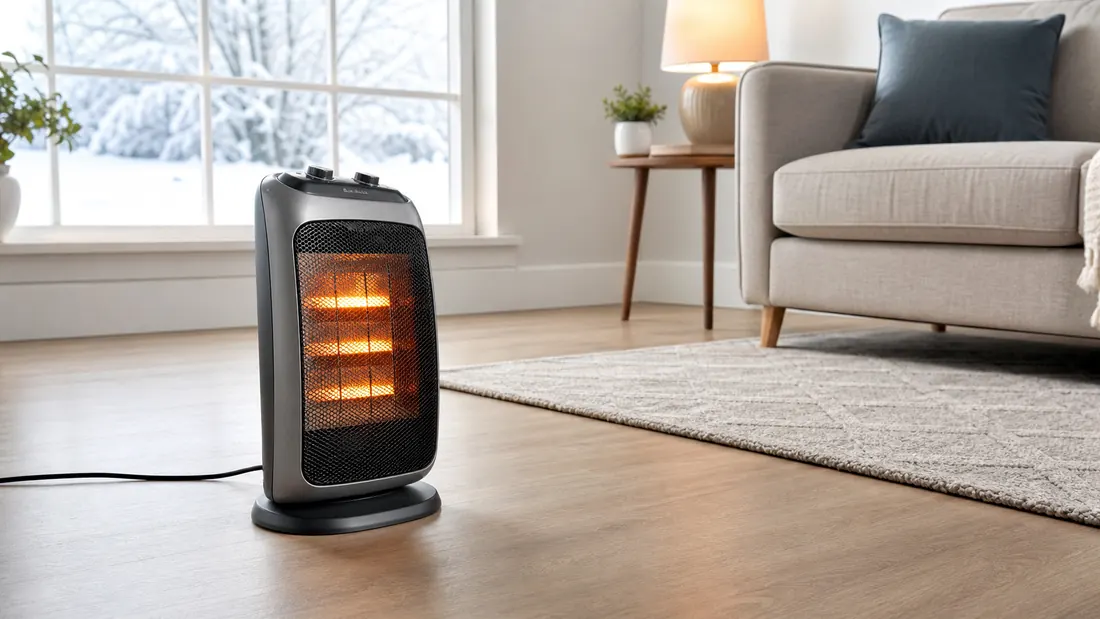
- Keep it several feet away from bedding, curtains, and furniture.
- Place it on a flat, level surface.
- Turn it off before leaving the room or going to sleep.
- Check the cord regularly for wear or damage.
- Use the thermostat or timer instead of running it constantly.
Which Type Is Usually Safer for Everyday Use
For most shoppers, a small ceramic space heater with overheat protection and tip-over shutoff is the most practical option for occasional room-by-room heating. These models usually warm a bedroom, office, or den more efficiently than trying to heat an entire house. They are also easier to move and tend to have clear safety controls.
That said, no portable heater is risk-free. If you need heat for long periods in a larger area, or if safety is your main concern, another heating method may make more sense. A space heater can be a reasonable tool, but it works best as a supplemental source of heat, not a replacement for a properly maintained central heating system.
Common Mistakes to Avoid
One of the most common mistakes is using a space heater with an extension cord or power strip. That can create excess heat at the connection point. Another is placing the unit on carpet, near fabric, or too close to a wall. People also sometimes assume a heater is safe because it is small or quiet. Size and noise level do not tell you much about fire safety.
It is also easy to forget that a heater needs space around it. Blocking airflow can make the unit work harder and run hotter. Finally, never ignore warning signs such as a hot plug, a damaged cord, or an unusual smell. Those are reasons to stop using the heater until it has been checked or replaced.
Frequently Asked Questions
Can you leave a space heater on overnight?
It is safer not to. Some heaters have timers and safety features, but overnight use still adds risk. If you need warmth while sleeping, follow the manufacturer’s guidance closely and make sure the heater is placed safely and unobstructed.
Do space heaters use a lot of electricity?
Yes, they can. Most portable electric heaters draw significant power, especially on the 1500W setting. They are usually best for heating one room at a time rather than trying to reduce whole-house heating costs.
Are ceramic space heaters safer than other types?
Ceramic heaters are often a practical choice because they heat quickly and many models include built-in safety features. They are not automatically safer in every situation, though. Safe use still depends on placement, outlet choice, and turning the heater off when needed.
Bottom Line
Space heaters can be safe when they are treated as supervised, short-term heat sources and not as background appliances. Choose a model with tip-over protection, overheat shutoff, and a stable design, then use it exactly as directed. Keep it plugged into the wall, give it room to breathe, and avoid using it in risky locations. If you need heat for one room and can monitor the heater, a properly used space heater can be a practical option.