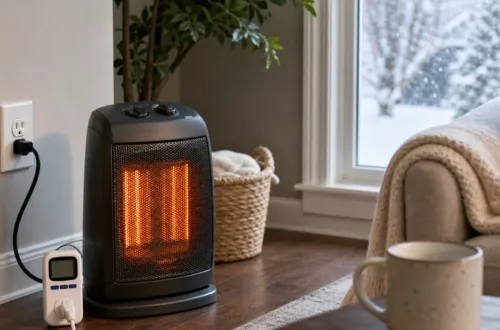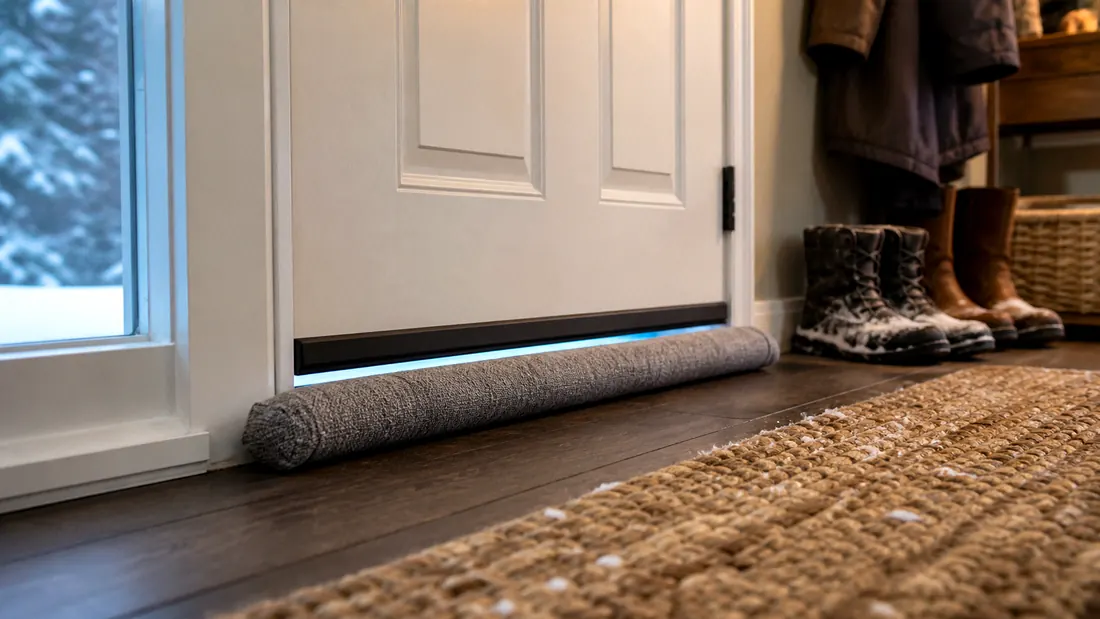
Cold air around a door is usually a sign that the gap, not the heating system, is doing the damage. The right weather stripping can reduce drafts, cut noise, block light, and help keep indoor temperatures more stable. The challenge is that not every strip works the same way. Some are made for kerf slots, some are peel-and-stick tapes, and others seal only the bottom edge of the door. The best weather stripping for doors depends on the size of the gap, the type of door frame, and how permanent you want the fix to be.
Quick Answer
If you want the shortest path to a good fit, choose a door seal based on your door style first, then on the gap size. Kerf-slot doors usually do best with a press-in seal like the 40FT Kerf V-Shaped Weather Stripping Door Seal. For bottom gaps, a door sweep such as the Ormein Door Draft Stopper or Vellure Door Draft Stopper makes more sense. If you need a simple peel-and-stick option for small to medium gaps, foam or silicone tape is the easiest place to start.
Comparison Table
| Product | Type | Best Use | Main Trade-Off |
|---|---|---|---|
| 40FT Kerf V-Shaped Weather Stripping Door Seal | Kerf-slot press-in seal | Exterior doors with pre-cut kerf grooves | Only works on kerf-slot frames |
| Ormein Door Draft Stopper | Bottom door sweep | Large under-door gaps | Needs a fairly smooth surface for best adhesion |
| Vellure Door Draft Stopper | Bottom door sweep | Fast peel-and-stick bottom sealing | Adhesive performance depends on surface prep |
| Weather Stripping Door Seal Strip Q-Shaped Foam | Press-in foam seal | Drafts, light, and noise around the frame | Needs the right groove size |
| Bantie 33FT EVA Foam Weather Stripping | Self-adhesive foam tape | Budget-friendly all-purpose sealing | Not as durable as heavier-duty rubber options |
| Black Rubber Weather Stripping Door Seal Strip | D-shaped adhesive seal | Small gaps needing a long roll | Best for narrower gap ranges |
| VITAM AMO Weather Stripping Seal Strip | Large-gap adhesive seal | Wider gaps and colder weather use | Shorter roll length than some alternatives |
| YOCCEK Self-Adhesive Weather Stripping Seal | Versatile adhesive seal | Doors, jambs, and sliding door gaps | More limited coverage length |
| Bantie 20FT Weather Stripping Door Seal | Silicone D-shaped seal | Smaller gaps that need a soft compressible strip | Shorter roll and narrower gap range |
How We Chose These Picks
These products were selected to cover the main situations shoppers run into when sealing a door. Some are better for a bottom gap, some work best in a kerf-slot frame, and others are simple adhesive strips for around the jamb. That matters because the wrong style can waste time and still leave you with a draft. The list below is not ranked as a universal winner list. Instead, it is organized to help you match the product to the door problem you actually have.
Our Top Picks
40FT Kerf V-Shaped Weather Stripping Door Seal
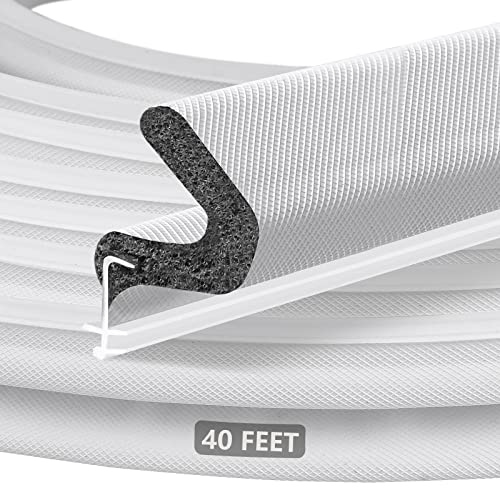
This kerf-style seal is made for doors that already have a pre-cut slot in the frame, so it is best thought of as a replacement seal rather than a universal strip. The rigid PVC flange presses into the groove, while the foam section fills the space between the door and frame. That design can handle larger gaps than many thin adhesive strips, and the 40-foot length gives you enough material for a full entry door and related touch-up work. It is a practical choice when the old kerf seal has worn out and you want a cleaner, more integrated fit.
What sets it apart is the balance between durability and coverage. Because it does not depend on peel-and-stick adhesive, it avoids the common issue of tape loosening over time. The trade-off is simple: it only works on kerf-slot doors, so it is not a flexible option for every home. For readers who have the right frame type and want a more secure replacement than foam tape, this is one of the more sensible choices.
Pros:
- Made specifically for kerf-slot door frames
- Press-in installation does not require adhesive
- Long 40-foot roll can cover larger projects
- Suitable for replacing worn-out weather stripping
- Helps block drafts, light, rain, dirt, and noise
Cons:
- Will not work on flat or non-kerf doors
- Requires accurate groove measurement before purchase
This is a good option if your door frame already has the right slot and you want a more durable replacement than basic foam tape. It is less flexible than general-purpose strips, but it fits its job well.
Best for: Homeowners with pre-cut kerf-slot doors who need a direct replacement seal for a front or exterior door.
Ormein Door Draft Stopper

The Ormein Door Draft Stopper is a bottom-of-door seal, which makes it a better answer for under-door gaps than a frame seal. Its silicone body is flexible, so it can follow slightly uneven floors and still glide without much resistance. The product is adjustable and sized for doors with gaps up to 1.5 inches, which is useful for older doors, basement entries, or rooms where you can feel airflow near the threshold. It also adds a layer of sound reduction, which can be helpful in bedrooms or office spaces.
Among bottom sweeps, this one stands out for combining a wide sealing range with a soft material that is less likely to scratch flooring. The adhesive backing is wider than many low-cost strips, which should help it stay put once installed. That said, the manufacturer notes that rough or textured surfaces may reduce adhesion, so surface prep matters. If you are trying to stop a noticeable draft under the door, this model is more practical than a thin frame tape.
Pros:
- Covers a relatively wide under-door gap range
- Silicone construction is flexible and floor-friendly
- Helps with drafts, dust, and some noise reduction
- Can be used on interior or exterior doors
- Quick to install with peel-and-stick backing
Cons:
- Adhesion may be weaker on rough or textured surfaces
- Needs careful measuring before trimming and applying
This is a strong pick for doors that leak air at the bottom rather than around the frame. It is especially useful when you want a soft, low-profile seal that can handle everyday door movement.
Best for: Door bottoms with noticeable gaps, especially in bedrooms, basements, offices, and entry doors.
Vellure Door Draft Stopper

Vellure’s door draft stopper is another bottom seal, but it leans more toward quick installation and broad surface compatibility. The silicone construction and adhesive backing are designed for a simple peel-and-stick setup, and the 39-inch length makes it a workable option for standard doors. Its profile is meant to block drafts at the threshold while also reducing some outside noise. For apartments, bedrooms, or interior doors that feel chilly at the bottom, that combination can be useful without requiring hardware or tools.
This model earns a place on the list because it focuses on ease of use. It is not limited to one specialty frame type, which makes it easier to recommend to readers who want a straightforward fix. The trade-off is that adhesive products depend heavily on clean surfaces and correct installation. Compared with the Ormein seal, this one is a little more centered on speed and simplicity than on gap range. If your main goal is to stop air from slipping under the door without a complicated install, it is worth considering.
Pros:
- Simple peel-and-stick installation
- Silicone material helps with draft blocking and noise reduction
- Trim-to-fit design works for common door widths
- Can be used indoors or outdoors
- Good option for quick sealing projects
Cons:
- Adhesive performance depends on surface prep
- Not ideal for doors with very rough or damaged bottoms
This is a practical choice when you want a bottom seal that is easy to install and does not require special door hardware. It is best for straightforward draft control rather than heavy-duty gap correction.
Best for: Renters and homeowners who want a fast bottom-of-door seal for standard interior or exterior doors.
Weather Stripping Door Seal Strip Q-Shaped Foam

This Q-shaped foam seal is designed for exterior door frames with a groove, where it can press in without adhesive. The high-density foam core is meant to fill the gap around the door edge, helping reduce light seepage, airflow, dust, and some outside noise. Because it fits a fairly specific slot range, it is most useful when the door frame already has the right recess and you want a cleaner solution than tape. At 26 feet long, it should handle a single door and still leave some extra material for adjustments.
It deserves attention because it offers a middle ground between simple foam tape and a more rigid kerf-style replacement. The no-adhesive installation is appealing for anyone who wants to avoid residue on the frame. The trade-off is that measurement matters a lot, since the strip needs the right groove depth to hold properly. If the fit is right, it can be a neat and effective way to improve comfort without using separate door hardware.
Pros:
- No-adhesive design avoids residue
- Helps block drafts, dust, water, and light
- Useful for reducing some outside noise
- Flexible fit for a defined groove range
- Long enough for a standard door project
Cons:
- Requires a compatible door groove
- Not a universal fit for all exterior doors
This is a sensible option for doors with a proper recess where a press-in seal will stay in place. It offers a cleaner look than adhesive tape, but only if the dimensions match.
Best for: Exterior doors with a compatible groove that need a press-in seal for drafts and light gaps.
Bantie 33FT EVA Foam Weather Stripping

Bantie’s EVA foam strip is a general-purpose peel-and-stick option that can work on door frames, windows, and other small gap projects. The soft foam can be cut to length, which makes it practical for DIY jobs where the opening is not a standard size. It is also one of the lower-priced options in the group, so it can be appealing when you need to seal multiple areas without spending much. For light drafts and minor noise reduction, it gives you a straightforward starting point.
Its main strength is flexibility. The wider strip and long roll make it easy to use on different surfaces, especially if you need to patch several small gaps in one house. That said, foam tape is still a compromise product. It usually will not match the longevity or compression recovery of better rubber seals, especially in high-contact areas. If your goal is affordable sealing rather than a long-term heavy-duty fix, it makes sense as a budget pick.
Pros:
- Low cost for the amount of material included
- Easy to cut and fit to different openings
- Works on doors, windows, and other small gaps
- Soft foam can help with light insulation and noise control
- Useful for quick DIY sealing jobs
Cons:
- Foam tape is generally less durable than silicone or EPDM
- May wear faster in high-friction areas
This is a reasonable budget choice for readers who need a versatile strip and are willing to trade some durability for a lower price. It works best on smaller gap-filling jobs, not heavily used seals.
Best for: Budget-conscious shoppers sealing light drafts around doors, windows, and other general indoor gaps.
Black Rubber Weather Stripping Door Seal Strip
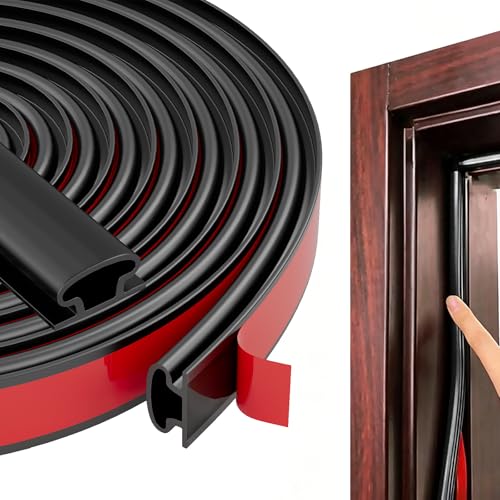
This D-shaped seal is built around a longer roll and a more flexible rubber-like material, which makes it useful for sealing narrow gaps along door and window frames. The profile is meant to compress when the door closes, helping block airflow, outside noise, moisture, and dust. Because it comes in a 50-foot length, it is a practical pick for larger homes or for readers who want to handle several sealing tasks with one roll. It can also be cut to size, which keeps it adaptable for different door and frame dimensions.
Compared with basic foam tape, this style is better suited to repeated compression and more demanding daily use. The adhesive is supposed to hold well once the surface is clean and dry, but like most peel-and-stick products, it benefits from careful installation. The gap range is fairly narrow, so it is not the right answer for very large openings. For small to medium frame gaps, though, it gives you a durable and relatively flexible seal that can make a noticeable difference.
Pros:
- Long 50-foot roll provides a lot of coverage
- D-shaped profile compresses well in narrow gaps
- Helps block drafts, noise, rain, and dust
- Can be cut to fit different projects
- More durable feel than basic foam strips
Cons:
- Best for a fairly narrow gap range
- Adhesive results depend on clean installation surfaces
This is a solid option for readers who want a longer roll and a more durable seal than simple foam tape. It works best on tight, repeat-use frame gaps rather than large openings.
Best for: Small to medium door-frame gaps where a long, compressible adhesive seal is needed.
VITAM AMO Weather Stripping Seal Strip

VITAM AMO’s seal strip is meant for larger gaps, especially where standard foam tape is not enough. The EPDM rubber construction is a useful detail because EPDM typically holds up well in cold weather and under repeated compression. This strip is designed to block wind, water, light, and sound, and the multi-hole pattern is meant to reduce closing noise while easing pressure between the door and frame. For exterior doors that feel loose in winter, that combination can be helpful.
It stands out because it is more purpose-built than generic adhesive foam. The material and shape are aimed at a more demanding sealing job, which makes it a stronger candidate for colder climates or drafts you can really feel. The downside is that the roll is only 18 feet, so it is not the best value if you need to cover multiple openings. Still, for one problem door with a wider gap, it offers a practical mix of flexibility and weather resistance.
Pros:
- Designed for larger gaps than many basic strips
- EPDM material is suited to colder conditions
- Helps reduce wind, light, water, and sound intrusion
- Multi-hole design can reduce closing noise
- Can be used indoors or outdoors
Cons:
- Shorter roll than some competing options
- Better suited to one or two targeted projects than whole-house sealing
This is a sensible pick when the gap is larger and the weather is harsher. It is not the longest roll in the group, but it is built for a more demanding sealing job.
Best for: Exterior doors with wider gaps in colder or windier conditions.
YOCCEK Self-Adhesive Weather Stripping Seal

YOCCEK’s self-adhesive strip is a compact, all-purpose seal for doors, jambs, and windows. The 16.5-foot length is shorter than some other products on this list, but that also makes it easier to use on targeted projects where you do not need a large roll. It is made to block drafts and moisture while also helping with noise reduction, so it fits well in rooms where comfort matters more than heavy-duty sealing. The narrow profile makes it useful around sliding doors and frame edges where a bulkier strip might be awkward.
Its appeal is the mix of flexibility and broad application. You can use it on front doors, sliding doors, and window edges without needing a special frame type. That makes it easier to recommend than more specialized products. The main limitation is coverage length, so it is less convenient if you plan to seal several doors at once. For a single project or a few smaller gaps, though, it is a neat, workable option.
Pros:
- Works on doors, jambs, and some window gaps
- Helps with drafts, moisture, and sound control
- Narrow strip is useful in tighter spaces
- Easy DIY installation with adhesive backing
- Suitable for sliding doors and front doors
Cons:
- Shorter roll than many alternatives
- May not be enough for multiple large openings
This is a practical choice for smaller sealing jobs where you want a versatile adhesive strip and do not need a very long roll. It is easy to work with, but it is not the best fit for whole-house coverage.
Best for: Small to medium sealing projects on doors, jambs, and sliding door edges.
Bantie 20FT Weather Stripping Door Seal

This Bantie silicone D-shaped seal is aimed at smaller gaps around doors and windows, where a soft compressible strip can do most of the work. The silicone material is meant to stay flexible across changing temperatures, which is helpful in homes that see both warm and cold seasons. With a 20-foot roll, it is better for focused projects than for sealing many openings at once. The adhesive promoter included with the strip is a useful detail, especially if you are working on a smooth surface and want a stronger bond.
Compared with the longer, more general-purpose rolls on this list, this one is more specialized around smaller gaps and a neater fit. That makes it a good option when you need a tighter seal without using a bulky bottom sweep. The trade-off is coverage length and gap range. It is not meant for wider openings, but for the right-size gap it can be an effective and tidy solution.
Pros:
- Soft silicone compresses well in smaller gaps
- Useful for doors, windows, cabinets, and similar frames
- Stays flexible through seasonal temperature changes
- Can be cut to fit different projects
- Includes an adhesive promoter for smoother surfaces
Cons:
- Shorter roll than many competing options
- Best for smaller gaps rather than wider openings
This is a neat solution for small gap sealing where flexibility matters more than coverage length. It is not the most versatile roll in the group, but it can be a good match for careful, targeted work.
Best for: Smaller door or window gaps that need a soft, compressible silicone seal.
Buying Guide
The first thing to check is where the air is coming through. A draft at the bottom of the door calls for a sweep or stopper. Air around the side or top edges usually calls for a frame seal, tape, or kerf replacement. If the door has a pre-cut slot, a press-in kerf product is often cleaner and more secure than adhesive tape. If the frame is flat, self-adhesive foam or rubber is usually the more practical choice.
Gap size matters just as much as door style. A thin foam strip may be enough for a narrow opening, but a larger gap needs a more compressible profile or a bottom sweep that can bridge the space. Material also affects durability. Foam is inexpensive and easy to use, but silicone, EPDM, and rubber-style seals generally hold up better under repeated closing and seasonal temperature swings. For exterior doors, that extra durability is often worth considering.
Installation is another place where shoppers can make a wrong turn. Adhesive products need clean, dry surfaces and usually do better when installed in mild temperatures. Press-in seals avoid adhesive problems, but they only work on compatible frames. If you rent, a peel-and-stick product may be easier to remove later, while homeowners might prefer a longer-lasting replacement style. Thinking through those trade-offs before buying usually saves more time than comparing price alone.
Frequently Asked Questions
What type of weather stripping works best for exterior doors?
That depends on the gap. Exterior doors with kerf slots often do best with a press-in replacement seal, while flat frames usually need adhesive foam, rubber, or silicone. If the draft comes from under the door, a bottom sweep is usually the right fix.
How do I measure for door weather stripping?
Measure the width and depth of the gap, then check whether the door frame uses a kerf slot, a flat surface, or a bottom threshold gap. It is also smart to measure the full length of the area you plan to seal before ordering.
Is foam or rubber weather stripping better?
Foam is usually cheaper and easier to install, which makes it a good fit for light-duty jobs. Rubber, silicone, and EPDM tend to last longer and recover better after repeated compression, so they are often better for doors that open and close frequently.
Can weather stripping help with noise?
Yes, but the level of improvement varies. Most door seals reduce minor drafts and soften small amounts of outside noise. They will not make a room soundproof, but they can make a door feel more closed off and comfortable.
Final Recommendations
The right weather stripping is usually the one that matches your door, not the one with the longest feature list. If you have a kerf-slot frame, start there. If the draft is under the door, use a sweep. For flat door frames, a peel-and-stick strip is the simplest place to begin. Paying attention to gap size, surface type, and installation method will do more for comfort than chasing the strongest marketing claims.