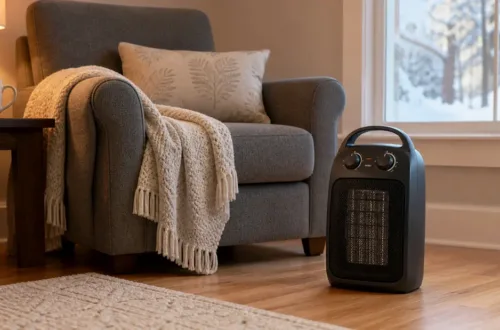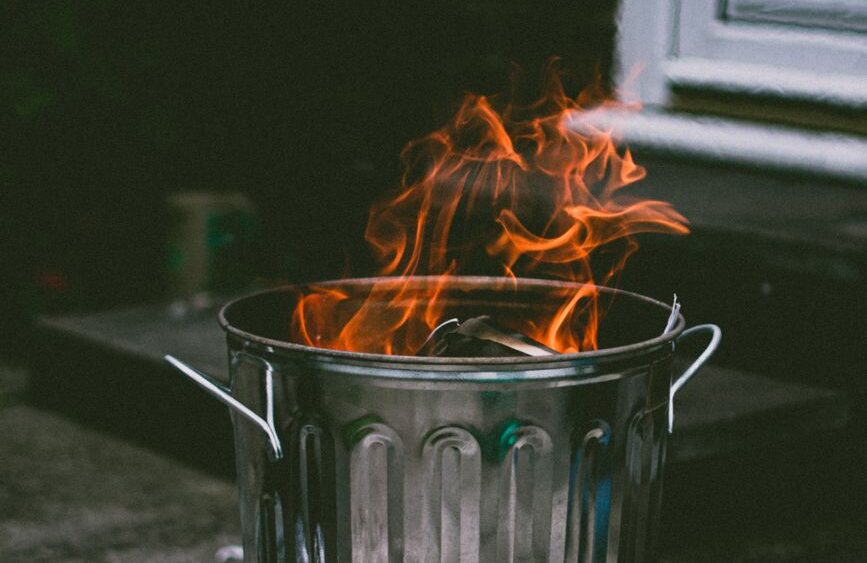
Space heaters can help in a pinch, but they also concentrate heat in a small area, which is why they deserve careful use. The short answer to Can Space Heaters Cause Fires is yes, they can, especially when they are placed too close to bedding, curtains, furniture, extension cords, or other combustible materials. The risk is usually tied to misuse, poor placement, damaged cords, unstable surfaces, or leaving the unit running unattended.
That does not mean every space heater is unsafe. Many modern models include tip-over shutoff, overheat protection, thermostats, and safer heating elements that reduce risk when used properly. The bigger issue is how the heater is used, not just the heater itself. If you are choosing one for a bedroom, office, garage, or living room, it helps to understand which designs are meant for indoor supplemental heat, which are better for workspaces, and which safety features matter most.
Quick Answer
Yes, space heaters can cause fires if they are misused or placed too close to flammable items. The safest approach is to choose a model with overheat protection and tip-over shutoff, keep it on a level surface, plug it directly into a wall outlet, and maintain clear space around it. For many households, the safest heater is not the one with the highest heat output, but the one that matches the room size and can be used without clutter around it.
How Space Heaters Start Fires
Most space heater fires begin in predictable ways. A heater can ignite nearby curtains, bedding, paper, rugs, or clothing if those items are close enough to the heating surface or hot air outlet. Fires also happen when a unit is knocked over and continues heating, when a cord overheats because it is damaged or overloaded, or when dust and debris build up inside the heater and affect performance.
Another common problem is using a heater as if it were a whole-home solution. If a room is too large for the heater’s output, people may move it closer to furniture or bedding to feel warmer. That creates more risk. A safe setup depends on both the heater design and the space around it.
What Safety Features Actually Help
Some heater features are worth prioritizing because they directly reduce fire risk. Tip-over protection shuts the unit off if it falls. Overheat protection turns it off if internal temperatures rise too much. An adjustable thermostat can also help by limiting unnecessary runtime. These features are useful, but they do not replace basic placement rules.
If you use a heater in a bedroom, office, or garage, also pay attention to build quality, cord length, and stability. A wide base and stable housing matter more than many shoppers realize. Compact heaters are easier to place, but they should still have enough clearance on all sides and should never be covered.
Practical Safety Rules to Follow
- Keep the heater at least 3 feet away from curtains, bedding, paper, and furniture.
- Plug it directly into a wall outlet whenever possible.
- Do not run the cord under rugs, carpets, or furniture.
- Place the heater on a flat, hard, nonflammable surface.
- Turn it off when you leave the room or go to sleep unless the manufacturer specifically allows otherwise and local guidance supports it.
- Check the cord and plug regularly for damage or looseness.
- Clean dust from the heater according to the manual.
Which Types of Space Heaters Tend to Be Safer
For indoor supplemental heat, ceramic and infrared electric heaters are often preferred because they usually include modern safety controls and do not produce an open flame. Fan-forced models can warm a small space quickly, which is useful in offices or workshops, but they can also move hot air around a room fast, so clearance matters. Fireplace-style electric heaters add atmosphere, yet they still need the same safety discipline as any other electric heater.
Propane and pellet heaters follow different safety rules and are not interchangeable with standard electric space heaters. They are better thought of as specialty products for specific indoor-approved or outdoor uses. If your main concern is fire safety inside the home, a well-designed electric heater used correctly is usually the simpler option.
Common Mistakes That Increase Risk
- Running the heater overnight without checking the room layout.
- Using extension cords or power strips not rated for the load.
- Putting the heater on carpet, near a bed skirt, or beside loose fabric.
- Ignoring a burning smell, buzzing sound, or repeated shutoffs.
- Buying a heater that is too powerful for a small room and then placing it too close to people or furniture.
Helpful Product Options for Safer Supplemental Heat
The heaters below are not listed as universal answers. They serve different room sizes and use cases, and the safer choice depends on where you plan to use one, how much heat you need, and whether you want portability, flame effects, or workspace durability.
Comfort Zone Electric Mini Fireplace Space Heater, 1,200W

This compact fireplace-style heater is aimed at people who want supplemental warmth with a small footprint. It uses a 1,200W output, two heat settings, a fan-forced design, and a 3D flame effect that adds some visual warmth without requiring an actual flame. The stay-cool body, overheat sensor, and tip-over switch are the kinds of safety features that matter most in a small indoor heater, especially in bedrooms or home offices where space is limited.
What makes this model useful is its balance of size, price, and basic protection features. It is not meant to heat a large home, and it should not be treated like a permanent heating system. Still, for a small room that needs occasional supplemental heat, it offers a practical mix of portability and safeguards. The lower heat output also makes it easier to use in tighter spaces than a larger 1,500W unit, as long as you still keep proper clearance around it.
Pros:
- Compact size works well on desks, tables, or small open floor areas
- Tip-over switch and overheat protection add useful safety layers
- Two heat settings give some control over comfort
- Cool-to-touch body and carry handle improve portability
- 3D flame effect offers ambiance without an open flame
Cons:
- 1,200W output is modest for larger rooms
- Best suited to supplemental heat, not primary heating
- Fireplace styling may not suit every room
This is a sensible pick for people who want a small heater with basic protection features and a lower-output option for personal spaces. It is more about controlled supplemental heat than whole-room performance.
Best for: Small bedrooms, offices, and anyone who wants a compact electric heater with a fireplace look.
Riseon Portable Electric Fireplace Heater
The Riseon heater combines a 3D flame effect with 1,500W and 750W heat settings, plus a fan-only mode for warmer months. That makes it more flexible than basic winter-only heaters, and the adjustable thermostat helps it cycle on and off rather than blasting nonstop. It also includes tip-over and overheat protection, which are important features if the heater will be used around pets, children, or in a room where it may be moved often.
This model stands out because it covers several needs in one unit. It can work as a small supplemental heater, a decorative fireplace-style piece, and a fan for mild weather. That versatility is useful, although buyers should remember that a multi-mode compact heater still has room-size limits. The 1,500W setting is stronger than some mini units, so it may suit small living rooms or bedrooms better than very tiny spaces where a lower-output heater would be enough.
Pros:
- Two heat levels plus fan-only mode add year-round flexibility
- Adjustable thermostat helps regulate runtime
- Tip-over and overheat protection improve safety
- Quiet operation suits bedrooms and offices
- Portable handle makes it easy to move between rooms
Cons:
- More expensive than many basic mini heaters
- Flame button has no indicator light
- Still intended for small to medium spaces only
For readers who want a little more versatility than a simple compact heater, this is a practical option. It trades some simplicity for extra modes and thermostat control.
Best for: Small rooms, mixed-season use, and shoppers who want a heater with both heat and fan mode.
Amazon Basics Portable Space Heater with Remote Control

This Amazon Basics model is a more conventional portable electric heater, with 750W and 1,500W settings, an adjustable thermostat, an LED display, and a remote control. It is designed to heat rooms up to about 160 square feet, so it fits a narrower use case than a larger home heating appliance. The overheat sensor is a useful safety feature, and the ECO setting may help reduce energy use when the room only needs moderate supplemental heat.
It deserves attention because it focuses on practical features rather than decoration. Some readers want a straightforward heater that is easy to monitor, simple to adjust, and better suited to a small bedroom or office than a fireplace-style unit. The remote can be helpful if the heater is placed across the room, though buyers should still keep it in a sensible location with open airflow. It is a good reminder that fire safety is often about layout and habits as much as product design.
Pros:
- Remote control adds convenience
- Two heat levels and ECO mode provide flexibility
- Overheat protection improves safety
- Suitable for small rooms up to about 160 square feet
- Simple design makes it easy to use
Cons:
- Not designed for large rooms
- Heavier than many mini tabletop heaters
- No fireplace ambiance or visual flame effect
This is a straightforward choice for people who want function first. It does not try to do too much, which can be a strength when safety and ease of use are the main concerns.
Best for: Small bedrooms, dorm-style spaces, and users who want a basic remote-controlled heater.
DR. INFRARED HEATER DR-991 Portable Electric Fireplace Space Heater
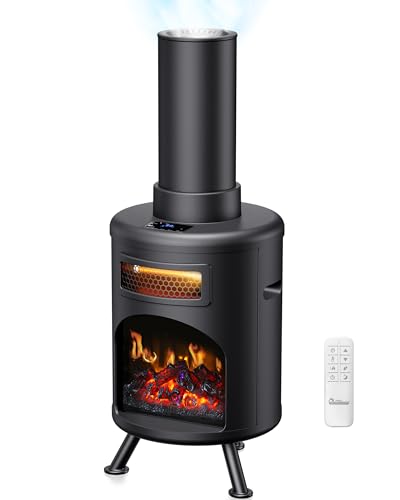
The DR-991 is a more premium fireplace-style heater with infrared heating, a built-in humidifier, adjustable flame brightness, a remote, a timer, and multiple heat settings. Infrared heat is often appreciated because it warms people and objects directly rather than relying only on fast-moving hot air. The humidifier adds another layer of comfort in dry winter conditions, which can matter in bedrooms or living spaces that feel dry when heat is running for long periods.
This model sits in a different category from budget compact heaters because it combines comfort features with stronger everyday convenience. The trade-off is price. Not everyone needs a heater with a humidifier or a more decorative design, and those extra features make sense only if you will actually use them. It still follows the same safety logic as any indoor heater, so clear space, proper outlet use, and routine inspection remain essential.
Pros:
- Infrared heat can feel comfortable in lived-in rooms
- Built-in humidifier may help offset dry indoor air
- Remote control and timer improve convenience
- Tip-over and overheat protection add safety support
- Multiple flame brightness levels add flexibility
Cons:
- Much more expensive than basic space heaters
- Heavier and more floor-oriented than mini tabletop units
- Extra features may be unnecessary for simple spot heating
This is a strong fit for readers who want comfort features along with supplemental heat and are willing to pay more for them. It is less about bargain pricing and more about a fuller indoor heating experience.
Best for: Bedrooms and living spaces where infrared heat and added humidity are both useful.
Dura Heat EUH1465 Electric Forced Air Heater
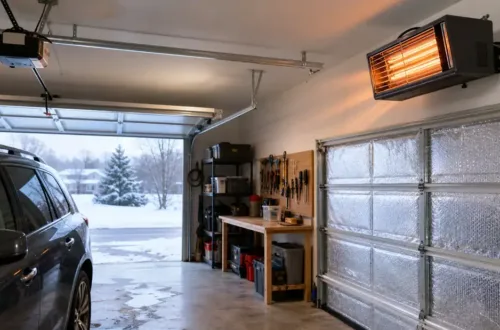
The Dura Heat EUH1465 is built for garages, workshops, and other utility spaces where durability matters as much as heat output. Its 1,500W ceramic element and high-velocity fan are designed to move warm air quickly through a smaller work area, while the steel body gives it a sturdier feel than many lightweight indoor heaters. The thermostat and overheat shutoff are important because workspaces can contain dust, tools, and other clutter that make careful placement even more important.
Compared with decorative indoor heaters, this model is more utilitarian. That is a benefit if you want something easy to reposition and rugged enough for occasional bumps. It is not the quietest or most visually refined option, and it is not meant to create a cozy living-room atmosphere. Instead, it is better when you need fast supplemental heat in a garage or shop and want a heater that feels built for that environment.
Pros:
- Rugged steel construction suits workspaces
- High-velocity fan moves heat quickly
- Thermostat allows better temperature control
- Overheat shutoff adds a useful safety feature
- Compact and portable for a workspace heater
Cons:
- Fan noise may be noticeable
- Industrial look is not ideal for living spaces
- Best for small areas rather than large garages
For readers who need supplemental heat in a workshop or garage, this is one of the more practical choices. It focuses on function, durability, and quick warm-up rather than comfort styling.
Best for: Garages, workshops, and utility spaces that need a durable electric heater.
Feculs Electric Fireplace Heater

The Feculs electric fireplace heater is a compact 750W/1,500W model with flame effects, fan mode, and simple button controls. It is designed for smaller indoor spaces where a user wants basic supplemental heat without a complicated interface. The tip-over and overheat safeguards are the main safety features to look at here, and the small size makes it easier to place away from fabrics and clutter when used correctly.
This model belongs in the discussion because it keeps the controls simple. That matters for people who do not want remote controls, screens, or multiple menus. It is also a relatively low-cost way to get a fireplace-style look in a bedroom or office. The trade-off is that it does not try to do much beyond the basics, so buyers should expect simple performance rather than advanced comfort features.
Pros:
- Simple controls are easy to understand
- Compact size works well in small rooms
- Realistic flame effect adds visual comfort
- Tip-over and overheat protection support safer use
- Low cost makes it accessible for budget-minded buyers
Cons:
- Not ideal for larger rooms
- Basic design lacks advanced convenience features
- Best viewed as supplemental heat only
This is a practical budget option for small spaces, especially if you want something easy to operate and easy to move. It does the essentials without adding complexity.
Best for: Budget shoppers, small bedrooms, and offices that need simple supplemental heat.
Mr. Heater Portable Buddy Radiant Propane Heater
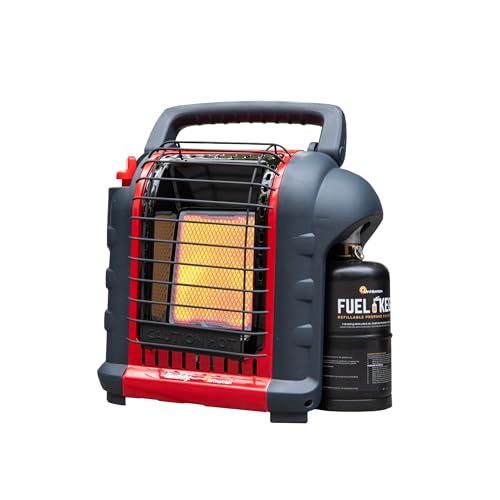
The Portable Buddy is different from the electric heaters in this list because it uses propane and radiant heat rather than household electricity. It is designed and approved for indoor and outdoor use, and it heats up to about 225 square feet. The low oxygen safety system and self-extinguishing materials are important features, but the fuel type means this heater requires more attention to ventilation, placement, and manufacturer instructions than a standard plug-in unit.
It earns a place here because some readers need portable heat in places where electric options are not practical. That said, propane heaters are not the simplest answer for indoor heating, and they should only be used where the instructions allow it. If your main concern is minimizing fire risk in a bedroom or living area, an electric heater is usually easier to manage. This model is better for specific use cases, such as camping, workshops, or emergency preparedness.
Pros:
- Works in places where electricity may not be available
- Radiant heat provides direct warmth
- Low oxygen safety system adds protection
- Portable and fuel-flexible for specific use cases
- Approved for indoor and outdoor use
Cons:
- Requires propane fuel and careful ventilation
- Not as simple as a plug-in electric heater
- Less suitable for casual bedroom use
This is a specialized heater, not a general household pick. It makes sense when portability and fuel independence matter more than convenience.
Best for: Emergency kits, workshops, and approved indoor or outdoor spaces that need propane heat.
Buying Guide
If fire safety is your main concern, the most important question is not simply which heater produces the most warmth. It is whether the heater matches the room, the outlet, and the way you plan to use it. A small, safe, well-placed heater is usually a better choice than a larger one that sits too close to blankets or runs on an overloaded circuit.
Look for clear safety shutoffs, a stable base, simple controls, and enough power for the space you are actually trying to heat. For bedrooms and offices, compact electric heaters are often easier to manage. For garages and workshops, rugged forced-air units may be more appropriate. For propane or pellet models, follow the manual closely and treat ventilation and clearance as non-negotiable.
FAQ
Can space heaters cause fires if left on overnight?
Yes. Even heaters with safety features can become dangerous if they are placed too close to bedding, clothing, curtains, or other combustibles. If you plan to run a heater for long periods, check the manufacturer’s instructions carefully and make sure the room is clear of hazards.
Are electric space heaters safer than propane heaters?
For many households, electric heaters are simpler to use safely because they do not involve a fuel flame or combustion gases. That said, electric heaters still need proper placement and supervision. Propane heaters have valid uses, but they require more caution and are better suited to specific situations.
What is the safest place to put a space heater?
Set it on a flat, hard surface with open space around it. Keep it away from curtains, beds, carpets, and furniture. Avoid placing it where it can be kicked over, blocked, or covered.
Should I use an extension cord with a space heater?
It is usually better to plug a space heater directly into a wall outlet. Extension cords can overheat if they are not rated properly or if the heater draws too much power. If you must use one, follow the heater’s manual and use a heavy-duty cord rated for the load.
Final Recommendations
If your main concern is fire safety, start with a heater that has tip-over protection, overheat shutoff, and a size that fits the room without crowding it. For small bedrooms or offices, compact electric models are often the easiest to manage. For garages, a rugged forced-air heater is more appropriate. The safest heater is the one that fits the space, stays clear of flammable items, and is used according to the manual.