Choosing the best thermostat for electric heat starts with one simple question: what kind of heating system do you have? Electric baseboards, fan-forced heaters, and standard 24V HVAC systems all use different thermostat types, and the wrong match can lead to poor control or complete incompatibility. The products below are grouped by system type and feature set so you can compare them based on wiring, programming, and day-to-day convenience.
Quick Answer
If you need a thermostat for electric baseboard or other line-voltage electric heat, the Mysa Smart Thermostat LITE is a strong choice for smart scheduling and remote control, while the Honeywell TL8230A1003 is a more traditional programmable option. For simpler manual control, the Cadet T522-W and Stelpro SWT1F are practical mechanical thermostats. If your system is a standard 1 heat/1 cool 24V setup rather than line-voltage heat, the Honeywell Home RTH20B, Suuwer S701, and NonProgrammable Thermostat for Home are better fits.
Comparison Table
| Product | Best For | Thermostat Type | Key Strength |
|---|---|---|---|
| Mysa Smart Thermostat LITE | Smart control for electric baseboard heat | WiFi programmable | Scheduling, app control, and energy tracking |
| Honeywell TL8230A1003 | Programmable electric heat control | 7-day programmable | Quiet operation and stable temperature control |
| Cadet T522-W | Simple line-voltage replacement | Mechanical double-pole | Easy twist-dial operation with positive off |
| Stelpro SWT1F | Budget-friendly mechanical control | Mechanical single-pole | Straightforward 240V compatibility |
| meross Matter Smart Thermostat | Smart home users with electric heat | Matter WiFi programmable | Open window detection and energy monitoring |
| Honeywell Home RTH20B | Standard 24V 1 heat/1 cool systems | 5-2 day programmable | Simple scheduling and easy upgrade path |
| NonProgrammable Thermostat for Home | Basic 24V systems without scheduling | Non-programmable digital | Easy DIY installation and broad compatibility |
| Suuwer S701 | Readable 24V thermostat with simple controls | Non-programmable digital | Clear backlit display and calibration options |
How These Picks Were Chosen
Electric heat is not one category. Line-voltage electric baseboards, wall heaters, and fan-forced heaters need thermostats designed for 120V to 240V systems, while many homes still use 24V thermostats for forced-air or hot-water setups. These picks were selected to cover both groups without mixing them together. The list includes smart thermostats, programmable models, and simple mechanical controls so readers can choose based on comfort, budget, and installation comfort level rather than brand alone.
Our Top Picks
The options below are not ranked as a single best-to-worst list. Each one serves a different type of home and a different level of convenience. A smart thermostat may make sense in a room you use every day, while a mechanical model may be more practical for a spare bedroom, rental unit, or workshop. Pay close attention to compatibility before buying.
Mysa Smart Thermostat LITE for Electric Baseboard Heaters
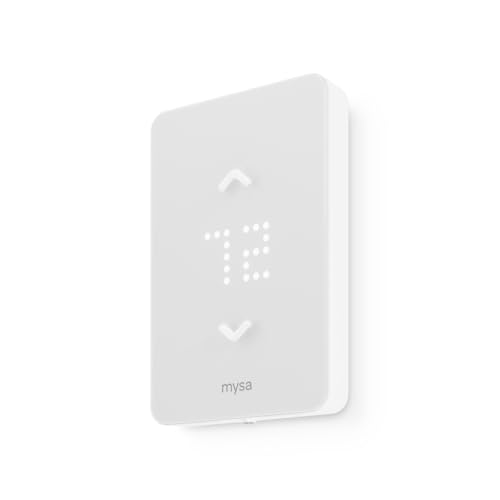
The Mysa Smart Thermostat LITE is built for high-voltage electric heat, including baseboard, fan-forced, wall heaters, and convectors. It connects to WiFi without a separate hub and gives you app control, scheduling, and voice assistant support through HomeKit, Alexa, or Google Home. For homes where room-by-room heating costs matter, the ability to set custom schedules and lower the temperature when nobody is home can be useful. It is also designed for 120V, 208V, and 240V systems, which makes it relevant for many electric heat installations.
This model belongs near the top of the list because it adds real convenience without requiring a separate platform or subscription. The energy tracking reports can help identify rooms that run too long, which is especially helpful in additions, workshops, and less-used spaces. It does ask for more wiring than a basic thermostat, so it is not the simplest option for every setup. Still, for readers who want remote control and scheduling on an electric baseboard system, it offers a practical balance of features.
Pros:
- Works with 120V, 208V, and 240V electric heating systems
- Includes WiFi control and app-based scheduling
- Supports HomeKit, Alexa, and Google Home
- Offers energy monitoring and monthly runtime reports
- No monthly subscription required
Cons:
- Not compatible with 24V HVAC systems
- Requires specific wiring, so it is not ideal for every home
For households that want more control over electric baseboard heat, this is one of the more useful choices. It is especially sensible in rooms where heating patterns change from day to day and where tracking usage can lead to lower bills.
Best for: Smart-home users with electric baseboard or other line-voltage heaters who want app control and scheduling.
Honeywell TL8230A1003 Electric Heat Digital 7 Day Programmable Thermostat
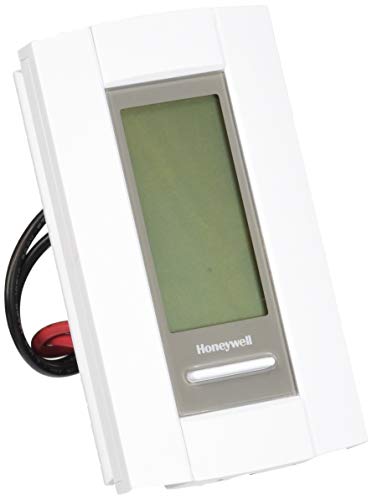
The Honeywell TL8230A1003 is a digital programmable thermostat designed for electric heat, with a full 7-day schedule and a clear backlit display. Its main appeal is straightforward comfort control. Once programmed, it can follow your routine through the week and help avoid unnecessary heating. Honeywell also highlights quiet operation, which matters if your thermostat is in a bedroom, hallway, or other area where clicking sounds would be noticeable.
This model stands out because it focuses on dependable temperature management rather than app features. That makes it a good fit for people who want a set-and-forget thermostat without depending on WiFi or a smartphone. The early-start function is also useful because it aims to reach the target temperature by the time you want it, not after you are already awake or home. It is less flexible than a smart thermostat, but for many electric heat setups that is not a problem.
Pros:
- 7-day programming suits changing weekday and weekend routines
- Quiet operation reduces clicking noise
- Backlit display is easy to read
- Early-start feature improves comfort timing
- Electronic temperature control can improve consistency
Cons:
- No WiFi or app control
- Less convenient for users who want remote access
If you want a programmable thermostat for electric heat without moving into smart-home territory, this is a practical middle ground. It offers useful scheduling and solid day-to-day comfort control without adding much complexity.
Best for: Homeowners who want a dependable programmable thermostat for electric heat with no app dependency.
Cadet Double Pole Mechanical Wall Thermostat T522-W

The Cadet T522-W is a mechanical wall thermostat for electric heaters that use line voltage, including 120/240V and 208V systems. It uses a simple twist dial and a double-pole design with a positive off position, which many people appreciate in basic electric heat applications. There are no schedules to program and no app to manage, so operation stays very direct. That can be an advantage in guest rooms, garages, or rooms that do not need daily adjustment.
It earns a place on this list because it solves a very specific problem well. When you want basic on-off control with a manual dial, extra features can just add cost without improving usability. The color-coded wires may also simplify installation for a straightforward replacement, though line-voltage work still requires care. This is not the right pick for people who want digital scheduling, but it is a sensible option when simplicity matters more than automation.
Pros:
- Simple mechanical control is easy to understand
- Double-pole design includes a positive off position
- Compatible with 120/240V and 208V baseboard and wall heaters
- Good fit for basic replacement projects
- No programming or app setup required
Cons:
- No scheduling or remote control
- Less precise than digital or smart thermostats
For a no-frills electric heat thermostat, the Cadet is practical and familiar. It makes the most sense when the goal is simple room-level control rather than advanced automation.
Best for: Basic line-voltage heating setups where manual control and a positive off position are priorities.
Stelpro Single Pole Line Voltage Thermostat SWT1F

The Stelpro SWT1F is a mechanical single-pole thermostat made for 240V heating systems, including electric baseboards, wall fan heaters, and commercial fan-forced heaters. Its design is intentionally simple. A basic dial handles temperature adjustment, and the two-wire connection keeps it focused on straightforward line-voltage installations. That makes it useful in spaces where reliability and ease of use matter more than scheduling.
This model is worth considering because it offers a clean, direct replacement option for users who do not want to pay for electronic extras. It can work well in smaller rooms, workshops, or other areas where heating needs are predictable. The trade-off is the same one you would expect from a mechanical thermostat: no programmability, no app, and less fine-tuned control than a digital unit. For the right application, though, that simplicity is a strength rather than a weakness.
Pros:
- Compatible with several common 240V heating products
- Simple dial is easy to operate
- Two-wire installation keeps the design straightforward
- Compact and unobtrusive
- Good budget option for basic control
Cons:
- No scheduling or smart features
- Single-pole design is not the same as a full disconnect
This thermostat makes the most sense when you need a dependable manual controller for a compatible electric heater. It is a practical pick for people who value function over features.
Best for: Budget-conscious buyers who need a basic 240V mechanical thermostat for compatible electric heaters.
meross Matter Smart Thermostat for Electric Baseboard Heater
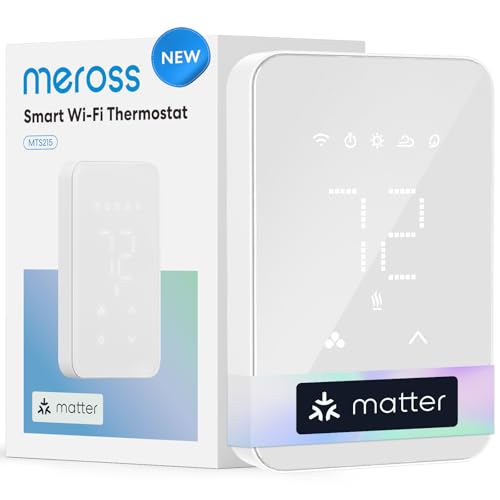
The meross Matter Smart Thermostat is designed for high-voltage electric heating systems and works with baseboard, convector, and fan-forced heaters. It supports WiFi app control and Matter compatibility, which means it can fit into several major smart-home platforms without locking you into one ecosystem. The scheduling tools are useful for households that follow regular routines, and the energy monitoring feature adds another layer of visibility into how much heat each room is using.
It stands out because it combines broad smart-home compatibility with features that are directly tied to heating costs, including open window detection. That makes it appealing for people who want more than a remote control app. It also makes sense in homes where different family members use different platforms, since Matter reduces the usual compatibility friction. The main trade-off is that it is still a line-voltage smart thermostat, so installation and compatibility checks matter just as much as the feature list.
Pros:
- Works with Matter, Alexa, HomeKit, Google Home, and SmartThings
- Designed for 120V to 240V electric heating systems
- Includes scheduling and WiFi app control
- Tracks energy use in real time
- Open window detection can help reduce waste
Cons:
- Not compatible with 24V HVAC systems
- Needs the right line-voltage wiring
For readers who want a modern control system for electric heat, meross offers a strong mix of convenience and useful energy tools. It is especially appealing in homes where heating usage is uneven from room to room.
Best for: Smart-home households with compatible electric baseboard or fan-forced heaters.
Honeywell Home Programmable Thermostat RTH20B

The Honeywell Home RTH20B is a 5-2 day programmable thermostat for standard single-stage 1 heat/1 cool systems. It is not for electric baseboard heat, but it does make sense for homes with forced-air, hot water, or similar 24V systems. The clear display, customizable settings, and filter reminder make it easy to live with on a daily basis. The UWP wall plate is also meant to simplify installation and future thermostat upgrades.
This product belongs in an electric heat buying guide because many shoppers search for “electric heat” when they really need a thermostat for a 24V system tied to an electric furnace or similar setup. In that case, this model is more relevant than a line-voltage baseboard thermostat. It offers a useful balance of programming and simplicity, but readers should check compatibility carefully. If your heating source is actual 120V or 240V baseboard heat, this is not the right thermostat.
Pros:
- 5-2 scheduling suits weekday and weekend routines
- Large display with clear font
- Filter reminder adds a practical maintenance cue
- Easy to install with Honeywell’s UWP wall plate system
- Works well for standard 1 heat/1 cool systems
Cons:
- Not compatible with 120V to 240V electric baseboard heat
- No WiFi or smart-home control
For the right heating setup, the RTH20B is a practical, easy-to-read programmable thermostat. It is worth considering when the system is 24V-based and the goal is simple scheduling rather than smart features.
Best for: Homes with compatible 24V single-stage heating and cooling systems that need a simple programmable thermostat.
NonProgrammable Thermostat for Home

This digital non-programmable thermostat is aimed at standard single-stage 1 heat/1 cool systems, including many forced-air and heat-only applications. It uses a backlit LCD, simple controls, and dual power options, which can make it an approachable replacement for older basic thermostats. The adjustable temperature differential and calibration options give it a little more control than the simplest budget models, while still keeping the interface straightforward.
It makes this list because not every homeowner wants scheduling, WiFi, or app control. Some just want a dependable thermostat that is easy to read and easy to install. This model is also notable for not requiring a common wire on most compatible systems. That can simplify replacement work in older homes. The main limitation is that it is not for line-voltage electric baseboard heat, so compatibility checks remain essential.
Pros:
- Easy-to-read backlit display
- Simple controls are easy to learn
- Dual power options support flexible installation
- No C-wire required on most systems
- Useful calibration and compressor delay options
Cons:
- Not compatible with electric baseboard heat
- No scheduling or app control
For readers who want a no-frills digital thermostat for a compatible 24V system, this is a sensible and low-complexity option. It is most useful when simplicity and easy replacement matter more than automation.
Best for: Basic 24V heating and cooling systems that need simple manual control.
Suuwer Non-Programmable Thermostat S701

The Suuwer S701 is another non-programmable digital thermostat for standard single-stage 1 heat/1 cool systems. It is built around a large blue-backlit display and straightforward controls, which may be helpful for households that want easy visibility without a complex menu system. It also includes calibration adjustment, separate swing settings for heating and cooling, and a low-battery indicator. Those are modest features, but they add practical usefulness in daily use.
This thermostat deserves attention because it keeps the focus on basic operation while still offering a few useful refinements. It is not meant for multistage or heat pump systems, and it also does not work with line-voltage electric baseboard heat. That means it belongs in the standard HVAC category rather than the electric baseboard category. For compatible systems, though, it offers a readable screen and simple control at a reasonable price.
Pros:
- Large backlit display is easy to read
- Simple controls suit users who prefer basic operation
- Calibration and swing settings add control
- No common wire required on most systems
- Works with many conventional single-stage systems
Cons:
- Not for electric baseboard or other line-voltage systems
- No scheduling or remote access
The Suuwer is a practical fit when you want a simple digital thermostat for a compatible 24V system and do not need any smart features. It is easy to live with, but only if the wiring and system type match.
Best for: Users who want a readable, basic digital thermostat for a compatible single-stage HVAC system.
Buying Guide
The most important step in choosing a thermostat for electric heat is identifying the system voltage. Line-voltage electric heaters, such as baseboards and many wall heaters, usually need a thermostat built for 120V, 208V, or 240V service. Standard 24V thermostats are made for forced-air, hot water, or similar HVAC systems and should not be used on line-voltage heat. Mixing those categories is a common and costly mistake.
After compatibility, think about how you actually use the room. A bedroom or family room may benefit from scheduling and quieter operation. A workshop, garage, or guest room may be fine with a simple manual dial. Smart thermostats can help when you want app control or room-by-room tracking, but they only make sense if you will use those features. Basic models cost less and are often easier to install.
What to Check Before Buying
- Voltage: Confirm whether the system is line-voltage or 24V.
- Heat type: Make sure the thermostat matches baseboard, fan-forced, furnace, or heat-only equipment.
- Wiring: Check whether the unit needs a neutral, a C-wire, or a specific wire count.
- Control style: Decide between manual, programmable, and smart control.
- Installation comfort: Line-voltage work can be more demanding than standard thermostat replacement.
Common Mistakes to Avoid
- Buying a 24V thermostat for electric baseboard heat.
- Assuming all electric heat uses the same wiring.
- Choosing smart features you will not actually use.
- Skipping compatibility checks before ordering.
Frequently Asked Questions
Can I use a regular thermostat with electric baseboard heat?
Usually no. Electric baseboard heat often uses line-voltage thermostats made for 120V, 208V, or 240V systems. A regular 24V thermostat is meant for HVAC equipment and is not a safe substitute.
Are smart thermostats worth it for electric heat?
They can be, especially in rooms with changing schedules. Smart thermostats can help reduce wasted heat, but only if your system is compatible and you will actually use app control and scheduling.
Do programmable thermostats save money?
They can, because they let you lower heat when a room is empty or overnight. The savings depend on how consistently you use the schedule and how well the thermostat matches your system.
Is installation difficult?
Simple mechanical replacements can be straightforward, but line-voltage wiring still requires care. If you are not confident with electrical work, using a qualified installer is the safer option.
Final Recommendations
If you need a thermostat for electric baseboard or other line-voltage heat, start with the Mysa Smart Thermostat LITE if you want scheduling and app control, the Honeywell TL8230A1003 if you prefer a quieter programmable option, or the Cadet T522-W if you want the simplest mechanical approach. For standard 24V systems, the Honeywell Home RTH20B, NonProgrammable Thermostat for Home, and Suuwer S701 are better matches. The right choice depends less on brand and more on the heating system already in your wall.