When temperatures drop, the wrong pipe heat cable can leave you with a frozen line, wasted energy, or a length that does not quite fit the job. The best pipe heating cable depends less on price alone and more on pipe length, pipe material, climate, and whether you need a basic freeze-prevention setup or something built for longer runs and harsher conditions.
The products below cover the most common needs. Some are better for short residential runs, while others make more sense for longer pipe sections, buried lines, or mixed indoor and outdoor use. Before choosing, it helps to compare cable length, thermostat behavior, certification, and whether the cable is intended for standard water pipes or more specialized applications.
Quick Answer
If you need a straightforward pipe heating cable for freeze protection, look first at the cable length that matches your pipe run and verify that the model is approved for the pipe material you have. Shorter options are usually easier to install for a single exposed line, while longer self-regulating cables are a better fit when you need coverage across multiple sections or a longer run with less manual control.
For most homeowners, a self-regulating cable with a built-in thermostat offers the best balance of convenience and energy use. If you need coverage for a short section, a compact fixed-length model may be simpler and cheaper. For longer or more demanding installs, look for stronger outer jacket materials, clear safety certification, and a length range that gives you some installation flexibility.
Comparison Table
| Product | Length | Heating Type | Notable Strength | Best Use |
|---|---|---|---|---|
| HEATIT 30ft Self-Regulating Pipe Heating Cable | 30 ft | Self-regulating | Balanced size for common residential pipe runs | Typical home freeze protection |
| HEATIT 40ft Self-Regulating Heating Cable | 40 ft | Self-regulating | Good middle-ground length | Longer exposed water lines |
| Frost King HC6A Automatic Electric Heat Kit | 6 ft | Automatic heat kit | Simple short-run option | Compact pipe sections |
| HEATIT 100ft Pipe Heating Cable | 100 ft | Self-regulating | Long coverage for larger jobs | Extended pipe runs |
| HEATIT Sewage Pipe Heating Cable | 50 ft | Self-regulating | Built for buried and specialty applications | Wastewater, sump, and roof de-icing uses |
| Frost King HC3A Automatic Electric Heat Kit | 3 ft | Automatic heat kit | Very short-run protection | Small exposed sections |
| Frost King HC12A Automatic Electric Heat Kit | 12 ft | Automatic heat kit | Budget-friendly mid-short option | Moderate residential runs |
| MAXKOSKO 6 Ft. 120 V Heating Cable | 6 ft | Self-regulating | Low-cost self-regulating choice | Small pipe freeze protection jobs |
| Pipe Heating Cable, 30FT to 200FT | 30 ft and up | Self-regulating | Heavy-duty construction | Demanding or exposed installations |
How We Chose These Pipe Heating Cables
These picks were selected to cover different pipe lengths, installation needs, and budgets rather than to crown one universal winner. A short cable can be the right answer for a single exposed section, but it is not useful if you need to cover a longer exterior run. Likewise, some models are better suited to standard residential water lines, while others are more appropriate for buried pipes or specialty uses.
We also gave weight to practical factors that matter in winter: self-regulating behavior, thermostat control, certification, compatibility with metal and plastic pipes, and whether the cable design seems straightforward for a typical homeowner to install. The result is a list that should help you narrow down the right pipe heating cable for your situation instead of forcing every buyer toward the same style.
Our Top Picks
HEATIT 30ft Self-Regulating Pipe Heating Cable

This 30-foot HEATIT cable is a practical middle-length option for homeowners who need freeze protection without moving into oversized commercial territory. It uses self-regulating heat output, which means it adjusts its power as temperatures change instead of running at the same level all the time. The built-in thermostat turns the cable on at 38°F and off at 50°F, which helps keep it from running when conditions do not call for extra heat. The cable is rated for use on both metal and plastic pipes, including copper, PVC, and stainless steel.
It belongs on a short list like this because it hits a useful balance between size, safety features, and installation flexibility. The 3 W/ft output is modest enough to support energy-conscious use, while the ETL certification is a meaningful point for buyers who want a product that is documented as meeting recognized safety standards. It is a sensible fit if you want a general-purpose cable for a typical residential line and do not need the longer reach of a larger model.
Pros:
- Self-regulating design helps reduce unnecessary heat output.
- Built-in thermostat adds automatic temperature control.
- ETL listed cable with a UL certified plug.
- Works with both metal and plastic water pipes.
- Useful 30-foot length for many common home installations.
Cons:
- May be too short for longer exposed runs.
- Requires a proper installation layout to get full coverage.
- Not the simplest choice if you only need a very short section protected.
This is a strong all-around option for buyers who want a well-sized self-regulating cable for standard freeze protection tasks. It is not the cheapest cable here, but the combination of thermostat control, certification, and usable length makes it easier to justify than many bare-bones alternatives.
Best for: Homeowners who need a versatile cable for a typical exposed pipe run.
HEATIT 40ft Self-Regulating Heating Cable
The 40-foot version of HEATIT’s self-regulating cable fills a useful space for buyers who need more reach than the 30-foot model but do not want to jump to a much longer cable. Its core features are similar, including thermostat control, ETL certification, and compatibility with metal or plastic pipes. That makes it easy to understand in practical terms: it is built for the same kind of freeze protection, just with extra length for larger or less direct pipe routes.
This model deserves attention because length often determines whether a pipe heating cable solves the problem cleanly or leaves a cold section exposed. If your pipe route includes bends, outdoor wall sections, or a longer exposed span, the added 10 feet can matter more than a small price difference. It is also a reasonable choice for buyers who want the same basic HEATIT design as the 30-foot version but need a little more installation flexibility.
Pros:
- Longer reach than the 30-foot version.
- Self-regulating behavior supports energy-conscious operation.
- Thermostat control reduces unnecessary runtime.
- Compatible with common pipe materials.
- ETL listed for added safety confidence.
Cons:
- More cable than some small residential jobs require.
- Costs more than shorter options.
- May be unnecessary if you only need a compact run protected.
If you are unsure whether the 30-foot model is enough, this version gives you extra room without changing the overall product style. It is a good fit for larger homes or pipe paths that are not perfectly straightforward.
Best for: Buyers who need a mid-long pipe heating cable with a little extra installation flexibility.
Frost King HC6A Automatic Electric Heat Kit
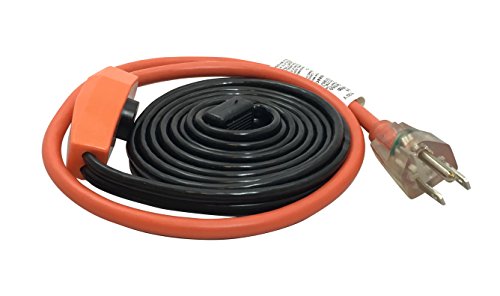
The Frost King HC6A is a short, straightforward heat cable for small pipe sections that need basic freeze protection. At 6 feet long and 7 watts per foot, it is designed for a simple installation rather than a complex layout. The manufacturer says it is suitable for both metal and plastic water pipes and can keep water flowing down to minus 40°F. That makes it a practical option when the pipe run is short and you want something familiar and easy to install.
Its value is in simplicity. A short cable like this can be easier to place neatly around a small exposed section, especially if you do not need thermostat-based self-regulation or a longer run. It is a useful reminder that not every freeze-prevention job needs a more expensive long cable. For a compact application, the HC6A can be enough, provided the length lines up with the part of the pipe you actually need to protect.
Pros:
- Short length works well for compact pipe sections.
- Simple installation for basic use cases.
- Compatible with metal and plastic pipes.
- Lower price than many longer cables.
- Suitable for very focused freeze protection.
Cons:
- Too short for most longer exposed runs.
- Does not offer the same self-regulating setup as some alternatives.
- Best for narrow use cases rather than broader installations.
This is not the most flexible option in the lineup, but it can be the right one when the job is small and the layout is simple. It is worth considering if you want a no-fuss cable for a short section of pipe.
Best for: Small pipe sections that need basic freeze protection.
HEATIT 100ft Pipe Heating Cable
The 100-foot HEATIT cable is aimed at larger pipe runs where shorter options simply do not provide enough coverage. Like the smaller HEATIT models, it uses self-regulating heat output and a thermostat that activates at 38°F and deactivates at 50°F. It is ETL listed, and the company states it works with a range of pipe materials, including metal and plastic. For long exposed lines, that combination of length and automatic control is often more useful than a shorter, lower-cost cable.
This model stands out because long runs create more opportunities for weak spots, especially when pipes travel outside, through crawl spaces, or along colder exterior surfaces. The 100-foot length gives you room to cover more of that route with a single product instead of piecing together multiple solutions. It is not the most economical choice for a small home repair, but it makes a lot more sense when the pipe run itself is the problem.
Pros:
- Very long length for extended pipe runs.
- Self-regulating heat helps manage energy use.
- Built-in thermostat offers automatic operation.
- ETL listed for safety-minded buyers.
- Suitable for both metal and plastic pipes.
Cons:
- Too long for many standard residential applications.
- Costs more than shorter models.
- Installation planning matters more because of the cable length.
This is a practical choice when you already know your pipe route is long and exposed. It gives you the reach of a larger cable without changing the basic self-regulating setup.
Best for: Long pipe runs that need reliable freeze protection.
HEATIT Sewage Pipe Heating Cable

This HEATIT cable is more specialized than the standard pipe heating options above. It is designed for buried pipes, wastewater systems, sump pumps, and roof de-icing, which makes it a better match for jobs that go beyond a simple exposed water line. The cable is self-regulating, ETL certified, and built with a fluoropolymer outer jacket intended to handle harsher conditions, including underwater use in the right setup. The product information also notes that it can be installed straight, spiraled, or overlapped depending on the application.
It earns a place here because some buyers need more than a typical freeze-protection cable. If you are working with buried lines, drainage, or other more demanding environments, the tougher jacket and broader use cases matter. The trade-off is that this is not the most streamlined option for a basic home water pipe. It makes the most sense when the installation conditions are less forgiving and you want a cable built for more specialized work.
Pros:
- Designed for more specialized applications than standard pipe heat tape.
- Fluoropolymer jacket adds durability.
- Suitable for buried pipes, wastewater systems, and sump pump use.
- Self-regulating output helps reduce overheating risk.
- ETL certified.
Cons:
- More specialized than many homeowners need.
- Roof de-icing may require separate accessories.
- Not the simplest pick for a short, standard pipe run.
If your pipe heating needs go beyond ordinary exposed plumbing, this model gives you more application range and a sturdier build. It is a better fit for unusual or tougher installs than for a basic winter safeguard.
Best for: Buried pipes, wastewater systems, sump pumps, and other specialty applications.
Frost King HC3A Automatic Electric Heat Kit

The Frost King HC3A is the shortest option in this group, and that makes it useful for very limited pipe sections where a larger cable would be excessive. It runs at 120V and 7 watts per foot, and the manufacturer says it works on both metal and plastic water pipes while keeping water flowing down to minus 40°F. For a small exposed section, it can be a direct and economical way to add freeze protection without buying more cable than you need.
This model stands out because it solves a narrow problem cleanly. Some homeowners only need to protect a short pipe segment near an exterior wall or in a tight mechanical area, and a 3-foot cable is easier to place in those settings than a longer one. It does not offer the broader flexibility of self-regulating long-run models, but for a minimal job, the smaller size can be an advantage rather than a limitation.
Pros:
- Very compact for tight spaces.
- Lower cost than longer cables.
- Works with metal and plastic pipes.
- Easy to install for small sections.
- Useful when you only need localized protection.
Cons:
- Too short for most full pipe runs.
- Limited flexibility compared with longer self-regulating options.
- Best used only when the protected section is clearly short.
The HC3A is a sensible fit when the job is small and the installation area is cramped. It is not a general-purpose solution, but it can be enough for a short exposed line that needs winter protection.
Best for: Very short pipe sections and tight installation spaces.
Frost King HC12A Automatic Electric Heat Kit
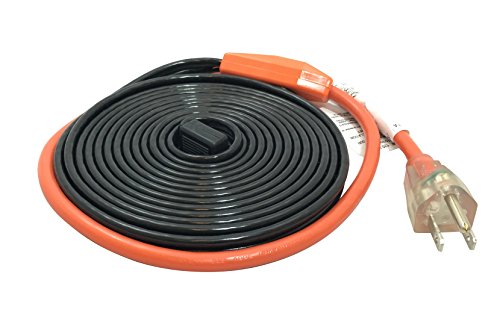
The HC12A sits in a useful middle zone between the shortest Frost King cable and the longer self-regulating options. It is listed as a 12-foot automatic electric heat kit with 120V operation and 7 watts per foot. Like the smaller Frost King models, it is intended for both metal and plastic water pipes and is meant to be easy to install. For many homeowners, that makes it a straightforward choice when the pipe run is a little longer but still not especially large.
It belongs here because it can be a more practical fit than a 3-foot or 6-foot cable when the pipe length is moderate, but you do not want to pay for a much longer self-regulating product. It is not as feature-rich as some of the HEATIT cables, yet that simplicity can be appealing if your priority is to protect a short-to-moderate section without extra complexity. The main decision point is whether the 12-foot length matches your installation plan.
Pros:
- Useful mid-short length for moderate pipe sections.
- Simple installation.
- Compatible with metal and plastic pipes.
- More affordable than many longer cables.
- Good fit when 3-foot or 6-foot options are too small.
Cons:
- Not suitable for long exposed runs.
- Lacks the flexibility of larger self-regulating models.
- Only worth buying if the length closely matches your pipe layout.
If you want a modestly sized pipe heating cable without stepping into longer or more specialized products, this one is worth a look. It is a practical in-between choice for a fairly common kind of winter protection job.
Best for: Moderate-length pipe sections that need simple freeze protection.
MAXKOSKO 6 Ft. 120 V Heating Cable

The MAXKOSKO 6-foot cable is a low-cost self-regulating option for small pipe freeze-protection jobs. The company lists a 5 W/ft output, a built-in thermostat that turns the cable on at 38°F, and compatibility with both plastic and metal pipes. It is also described as pre-assembled, which should make the setup more approachable for someone who wants a simple DIY install rather than a more involved system.
Its main advantage is that it gives budget-minded buyers a self-regulating design without moving into a much higher price range. That matters if you want the convenience of automatic heat output but only need a short run protected. The cable may also appeal to people working with RV lines, small utility areas, or narrow pipe sections where a shorter product is easier to manage than a longer one. It is less versatile than the 30-foot and 40-foot models, but that is the trade-off for the lower price.
Pros:
- Lower price than many other self-regulating cables.
- Self-regulating design helps prevent overheating.
- Built-in thermostat adds automatic control.
- Compatible with plastic and metal pipes.
- Pre-assembled for simpler installation.
Cons:
- Short length limits it to small applications.
- Not ideal for longer or more complex pipe runs.
- Less flexible than longer cables if your layout changes.
This is a sensible budget pick when you want automatic heat control and only need to cover a short section. It is not the broadest solution, but it can be a practical one for smaller freeze-protection tasks.
Best for: Budget buyers with short pipe sections to protect.
Pipe Heating Cable, 30FT to 200FT
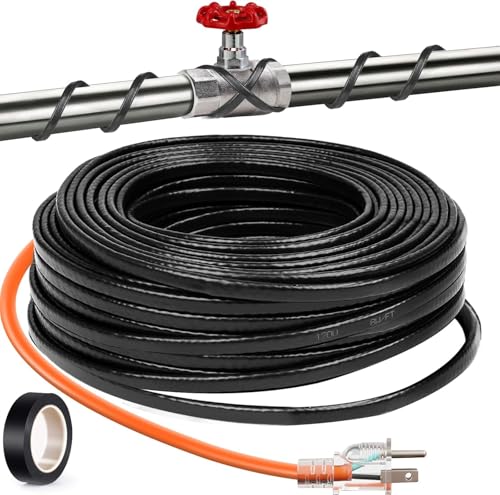
This pipe heating cable is aimed at buyers who want a heavier-duty option with broader length choices. The product information describes an aluminum alloy shield, a TPE outer jacket, a grounded plug with an indicator light, and a self-regulating 5 W/ft design. It is meant for water-filled metal and plastic pipes, including copper, PVC, and PEX. The wide length range, from 3 feet up to 200 feet, makes it one of the more flexible choices for larger or less standard pipe protection jobs.
It stands out because the construction sounds more robust than a basic residential cable, which may matter if your pipes are exposed to moisture, chemicals, or harsher outdoor conditions. The trade-off is that some of the product language is more industrial in tone, so buyers should still make sure the installation is appropriate for a water pipe application and not for fuel lines or gutters, which the listing specifically warns against. For people who want extended reach and a sturdier jacket, it offers a more serious build than simpler alternatives.
Pros:
- Wide length range for many installation needs.
- Self-regulating heat output.
- Durable jacket materials for harsher environments.
- Compatible with common metal and plastic water pipes.
- Useful for longer or more exposed runs.
Cons:
- More product details to sort through than a basic cable.
- Not intended for fuel lines or gutters.
- May be more cable than a small home job requires.
If you need a pipe heating cable with broader length options and a tougher exterior, this is one of the stronger candidates in the group. It is best treated as a solution for demanding water-pipe applications rather than a simple short-run fix.
Best for: Longer or more demanding pipe runs that need a durable cable.
Buying Guide: How to Choose the Right Pipe Heating Cable
Choosing a pipe heating cable starts with the pipe itself. Measure the section you need to protect, then add a little margin if the route includes bends, fittings, or exposed areas that cool faster than the rest. A cable that is too short usually creates more trouble than buying a slightly longer one, but an oversized cable can be harder to install neatly.
Self-regulating cables are often the easiest choice for homeowners because they adjust output as temperatures change. That does not remove the need for good installation, but it does reduce the chance of running full power when conditions do not call for it. Thermostat control can be useful too, especially if the cable will spend time plugged in during long cold spells.
Pay attention to pipe material. Most of the products here work with metal and plastic water pipes, but you should always confirm compatibility before buying. Some cables are better for copper, PVC, or PEX than others, and buried or specialty applications may require a different outer jacket or rating.
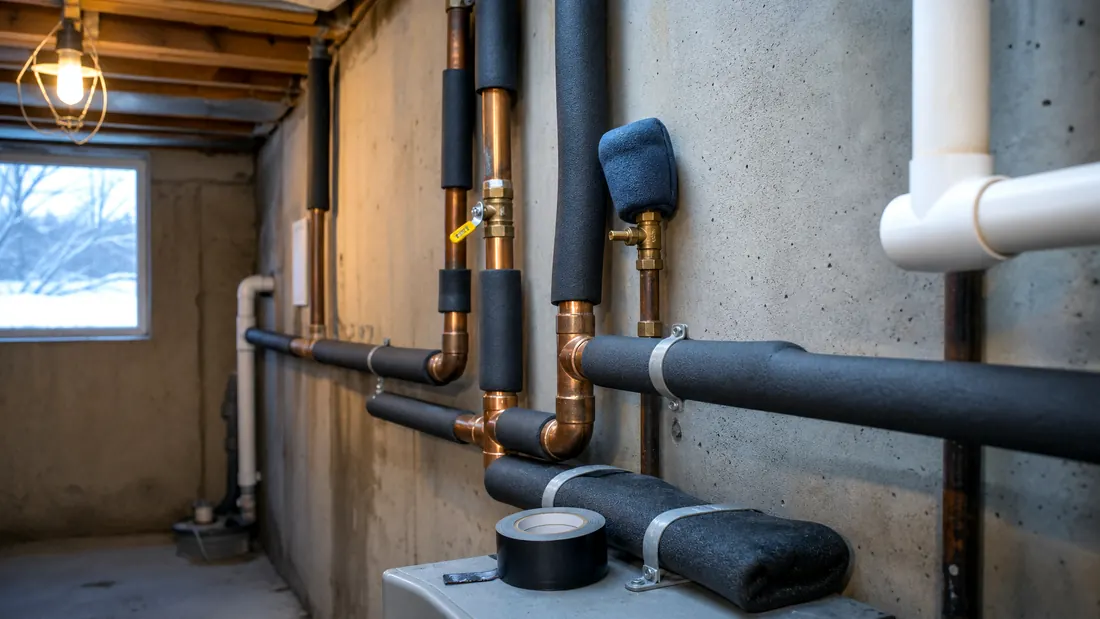
Safety certification matters. For a product that will run unattended in cold weather, certification and a clear safety listing are worth checking. It is also wise to follow the installation instructions carefully, including spacing, wrapping style, and insulation guidance. A cable can only do part of the job if the pipe is not insulated where needed.
Length is the biggest decision factor. Short cables can be ideal for single exposed sections. Mid-length options work for many residential routes. Longer cables make sense for extended runs, but they take more planning. If you are unsure, it is often better to map the pipe route first instead of guessing.
Common Mistakes to Avoid
- Buying a cable based on price alone and ignoring length.
- Using a product on a pipe material it is not intended for.
- Skipping insulation where the pipe needs it most.
- Choosing a specialty cable for a simple job, or a basic cable for a difficult one.
- Ignoring the installation instructions for straight, spiral, or overlapped placement.
Frequently Asked Questions
How long should a pipe heating cable be?
It should be long enough to cover the section that is exposed to freezing temperatures, plus any bends or vulnerable spots. If the route is irregular, leaving a little extra length is often safer than cutting it too close.
Are self-regulating pipe heating cables better?
They are often easier to manage because they adjust heat output based on conditions. That makes them a practical choice for many homes, but the right option still depends on pipe length, installation area, and budget.
Can these cables be used on plastic pipes?
Several of the cables here are designed for both metal and plastic pipes. That said, you should still check the product details before installation, since not every heat cable is intended for every pipe type.
Do pipe heating cables use a lot of electricity?
Energy use depends on the cable’s wattage, length, thermostat behavior, and how often it needs to run. Self-regulating models are often chosen because they are designed to heat only when needed.
Final Recommendations
If you want a balanced general-purpose choice, the HEATIT 30ft Self-Regulating Pipe Heating Cable is a practical place to start. If your pipe run is longer, the HEATIT 40ft Self-Regulating Heating Cable gives you extra reach without moving to a much larger system. For short, simple jobs, the Frost King HC3A Automatic Electric Heat Kit and Frost King HC6A Automatic Electric Heat Kit keep things straightforward.
Buyers with longer or more demanding installations should look at the HEATIT 100ft Pipe Heating Cable or the Pipe Heating Cable, 30FT to 200FT. If your needs are more specialized, the HEATIT Sewage Pipe Heating Cable is better suited to buried or wastewater-related applications. For a lower-cost self-regulating option, the MAXKOSKO 6 Ft. 120 V Heating Cable is worth considering when the pipe section is short and the installation is simple.