Many shoppers compare an electric fireplace vs space heater because both plug into a standard outlet, both add supplemental heat, and both seem interchangeable at first glance. In practice, they solve slightly different problems. One leans more toward appearance and room atmosphere, while the other usually focuses on direct, efficient heat in the smallest footprint possible.
If you are deciding between the two, the right choice depends less on brand names and more on how you plan to use it. Room size, noise tolerance, safety features, placement, energy use, and whether you care about a flame effect all matter. The differences are easier to understand when you compare them by heating style, cost, portability, and everyday convenience.
Quick Answer
Choose an electric fireplace if you want supplemental heat plus a furniture-like look, visible flame effect, and a more decorative presence in a living room or bedroom. Choose a space heater if your main goal is practical, targeted warmth, easier portability, lower upfront cost, or compact heating for an office, desk area, bathroom-adjacent dressing area, or small bedroom.
In many cases, an electric fireplace is a type of space heater. The difference is that fireplace models add visual ambiance and usually take up more floor space. Standard space heaters are typically more compact and more utilitarian. Neither is a whole-house heating replacement, and both are best used as supplemental heat rather than the only heat source for a large home.
Electric Fireplace vs Space Heater at a Glance
| Category | Electric Fireplace | Space Heater |
|---|---|---|
| Primary purpose | Supplemental heat plus visual ambiance | Supplemental heat with focus on efficiency and portability |
| Appearance | Decorative, stove-style, mantel-style, or wall-style | Usually plain, compact, and functional |
| Heat output | Often similar to many 120V space heaters | Often similar in wattage, especially 750W to 1500W models |
| Portability | Varies, often bulkier | Usually easier to move |
| Price | Usually higher for comparable heat output | Usually lower |
| Best rooms | Living rooms, bedrooms, dens | Offices, bedrooms, small rooms, spot heating |
| Flame effect | Common and often usable without heat | Usually absent, though some mini fireplace-style heaters include it |
| Space use | Takes more visible floor or wall space | Better for tight areas |
What an Electric Fireplace Actually Is
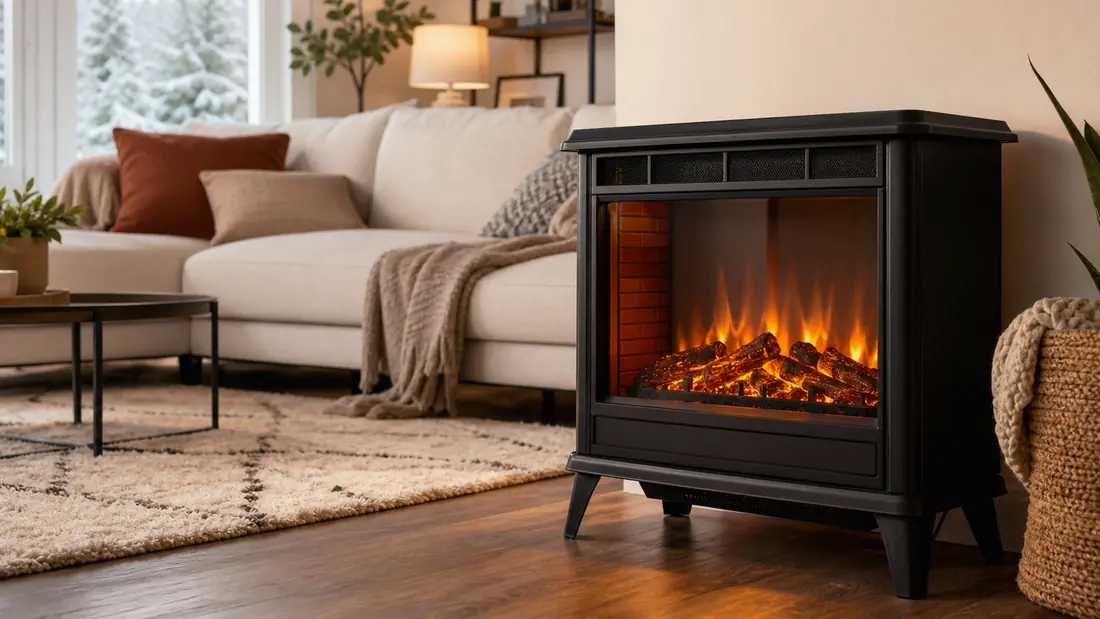
An electric fireplace is a plug-in heater designed to imitate the look of a traditional fireplace or stove. Most use fan-forced heat or infrared heat, combined with a simulated flame effect. Some models let you run the flame without heat, which makes them useful year-round as a decorative piece.
From a heating standpoint, many electric fireplaces still operate within the same basic electrical limits as ordinary plug-in heaters. That means the visual design may change a lot, but the available heating power is often still in the 1200W to 1500W range on a standard household circuit. In other words, many electric fireplaces do not necessarily heat dramatically better than a regular space heater. They just package the heat in a more attractive format.
What a Space Heater Actually Is
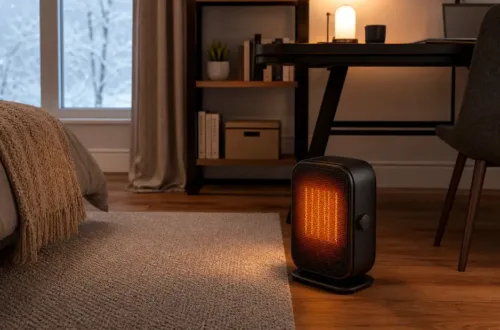
A space heater is a portable appliance built to warm a limited area instead of an entire house. Depending on the model, it may use ceramic heating, infrared elements, oil-filled radiators, or fan-forced technology. Most are designed to be practical first. Many prioritize small size, easy transport, and straightforward controls.
When people compare an electric fireplace vs space heater, they often picture a decorative fireplace on one side and a simple ceramic heater on the other. That is a useful comparison, but there is overlap. Some space heaters include flame-style displays, and some electric fireplaces are compact enough to function like portable room heaters. The main distinction is still design intent. Space heaters are usually chosen for heat delivery first, while electric fireplaces are often chosen for both heat and appearance.
Heating Performance Comparison
Which one heats a room faster?
A fan-forced space heater often feels faster because it pushes warm air directly into the room. If you sit nearby, you notice the heat almost immediately. Many electric fireplaces also use fan-forced heat, so they can warm small and medium rooms at a similar pace, but the larger housing can make them feel more like a room feature than a direct spot heater.
Which one heats a larger area?
That depends more on wattage and heating technology than on the words fireplace or space heater. A 1500W electric fireplace and a 1500W space heater are often working from similar electrical limits. Marketing claims about room coverage can vary, so it is wise to focus on realistic use. For large open rooms, neither type should be expected to replace central heat in very cold weather.
Infrared vs ceramic heat
Some electric fireplaces use infrared quartz heat, which is often described as gentler and less drying because it warms objects and people more directly. Many standard space heaters use ceramic elements with a fan, which can be very effective for quick personal warmth. Neither approach is automatically better for every room. Infrared can be appealing in living spaces where you want steady comfort, while ceramic heaters are often useful for targeted warmth and quick heat in smaller zones.
Energy Use and Operating Cost
One of the biggest misconceptions in the electric fireplace vs space heater discussion is that fireplaces are always more efficient. In reality, if two plug-in units draw the same wattage, their electricity use is broadly similar. A 1500W heater generally uses 1.5 kilowatt-hours per hour on its highest setting, whether it looks like a fireplace or a standard portable heater.
What changes is how you use the appliance. An electric fireplace may run longer because people enjoy the flame effect and leave it operating for ambiance. A small personal space heater may run for shorter bursts under a desk or beside a chair. That can make the actual monthly cost different, even when the wattage is similar.
Zone heating can help with energy savings if it allows you to keep the central thermostat a little lower and heat only the room you are using. That benefit applies to both categories. The key is disciplined use, not just the type of appliance.
Safety Differences
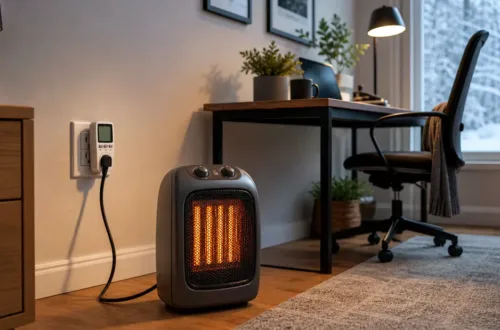
Both electric fireplaces and space heaters need safe placement. Neither should be covered, placed too close to curtains, or used with damaged cords. You should also avoid running high-wattage heaters through extension cords unless the manufacturer specifically allows it. Plugging directly into a properly rated wall outlet is the safer approach for most models.
Many modern units in both categories include:
- Overheat protection
- Tip-over shutoff
- Cool-touch exterior sections
- Timers
- Adjustable thermostats
Electric fireplaces sometimes feel safer to families because the flame is purely visual and there is no real combustion, smoke, or gas line. That is true, but they still contain heating elements and still need clearance around them. A compact space heater can be just as safe when used correctly, but its smaller size can also make it easier to place too close to bedding, furniture, or clutter. Good habits matter more than category alone.
Appearance and Room Fit
This is where the difference becomes obvious. If you care about how the heater looks in the room, an electric fireplace has a clear advantage. Stove-style and freestanding fireplace heaters can make a bedroom, den, or living room feel warmer visually even when the heat setting is off. For many people, that atmosphere is a meaningful part of the purchase.
A standard space heater is easier to hide, easier to move, and easier to store. It makes more sense in a home office, dorm room, workshop corner, or any area where appearance matters less than convenience. If your priority is keeping your feet warm while working, the extra bulk and higher cost of a fireplace unit may not make much sense.
Noise Levels
Noise varies model by model, not just category by category. Fan-forced heaters usually create some airflow noise. Compact ceramic models can sometimes sound more noticeable because they sit closer to the user. Fireplace heaters may seem quieter simply because they are placed farther away or have larger housings that soften the impression of fan noise.
Infrared models are often chosen by shoppers who want a calmer heating experience, though many still use fans to move heat. If low noise is important for sleep, reading, or remote work, look for stated decibel ratings, thermostat control, and timer features rather than assuming one category is automatically quieter.
Maintenance and Ease of Use
Neither type is difficult to maintain. In most cases, care comes down to keeping vents clear, wiping dust from the exterior, and checking the cord and plug periodically. Electric fireplaces with glass panels or more decorative surfaces may need a little more routine cleaning to keep them looking good. Small space heaters are usually simpler to move, clean around, and store off-season.
In daily use, space heaters often win on simplicity. Many have basic dials or a small digital panel. Electric fireplaces can include remotes, flame brightness settings, app controls, and timers, which some households appreciate and others may find unnecessary.
Who Should Choose an Electric Fireplace
- You want heat and a visible flame effect in one appliance
- You are furnishing a living room, bedroom, or den
- You care about appearance as much as function
- You want a unit that can provide ambiance even without heat
- You prefer a more furniture-like heater that stays in one place
Who Should Choose a Space Heater
- Your main goal is practical warmth at the lowest reasonable cost
- You need a compact heater for a desk area, office, or small room
- You want something easy to carry from room to room
- You have limited floor space
- You do not care much about decorative flame effects
Recommended Models for Different Needs
The products below are not listed from universally best to worst. They were selected to show how different electric fireplace and space heater styles fit different rooms, budgets, and preferences. Some emphasize appearance, some focus on portability, and some try to balance both. Comparing the trade-offs will be more helpful than looking for one answer that fits every home.
duraflame 3D Infrared Quartz Electric Fireplace Stove Heater
This duraflame stove-style unit is a strong example of what people usually want when they search for an electric fireplace rather than a plain heater. It combines supplemental infrared heat with a visible 3D flame effect, adjustable brightness, and a freestanding metal stove body that looks more intentional in a living room or bedroom than a standard utility heater. According to the manufacturer, it is designed for zone heating in rooms up to 1,000 square feet, though real-world comfort will still depend on insulation, layout, and outdoor temperatures.
Its main appeal in an electric fireplace vs space heater comparison is that it gives you many of the practical benefits of a plug-in heater without looking like one. Infrared heat can feel gentler for longer sessions, and the flame-only setting adds year-round decorative value. The trade-off is that it costs more and takes up more room than a compact ceramic heater with similar plug-in power limits. For shoppers who want atmosphere and supplemental heat together, that trade-off may be worthwhile.
Pros:
- Infrared heating is often comfortable for longer use
- Flame effect can run without heat
- More decorative and room-friendly than a basic heater
- Adjustable thermostat and flame brightness
- No venting or gas line required
Cons:
- Higher upfront cost than many space heaters
- Bulkier and less convenient to store between seasons
- Still supplemental heat, not a central heating replacement
This is a sensible pick for buyers who want a heater that contributes to the room visually instead of disappearing into a corner. It makes less sense if you only need fast personal warmth at the lowest price.
Best for: Living rooms, dens, and bedrooms where ambiance matters almost as much as heat
Comfort Zone Electric Mini Fireplace Space Heater

This compact Comfort Zone unit sits near the space-heater side of the category while still offering a fireplace look. It is a tabletop or small-floor heater with a 3D flame effect, two heat settings, a carry handle, and basic built-in safety features such as overheat protection and a tip-over switch. At 1,200 watts, it is aimed more at small to medium spaces and close-range comfort than large-area heating.
What makes it useful in this comparison is price and simplicity. Many shoppers are drawn to electric fireplaces because they like the visual effect, but they do not want to spend the amount required for a larger freestanding stove unit. This model offers a lower-cost way to get some of that same visual warmth. The trade-off is obvious. It is smaller, less substantial, and less likely to serve as a room focal point. Still, for a desk area, bedroom, or apartment where space is tight, it fits the brief well.
Pros:
- Affordable way to get a fireplace-style look
- Compact body fits small rooms and desks more easily
- Carry handle and stay-cool body improve portability
- Includes overheat and tip-over protection
- Simple controls for quick daily use
Cons:
- Lower wattage than many full-size 1500W heaters
- Not ideal for larger or draftier rooms
- More decorative than powerful
This model suits shoppers who want a little visual charm without committing to a large or expensive electric fireplace. If heating strength matters more than appearance, a more conventional space heater may offer better value.
Best for: Small bedrooms, offices, apartment setups, and budget-conscious buyers who still want a flame effect
Silonn Electric Fireplace Heater

The Silonn model is a good example of how electric fireplaces have moved beyond basic manual controls. It adds app control, remote operation, a timer, adjustable flame brightness, and a stated low-noise design. With 1400W heating power and thermostat control from 62°F to 82°F, it is built for users who want a fireplace-style heater to feel a bit more integrated into daily routines rather than just acting as a simple on-off appliance.
In an electric fireplace vs space heater decision, this type of model appeals to buyers who care about convenience and quieter operation as much as raw heating power. You can adjust settings from across the room and schedule use more easily, which can help with comfort and energy management. The trade-off is that you are paying for extra control features rather than a major jump in available wattage. For tech-friendly households, those extras can still make the user experience meaningfully better.
Pros:
- App and remote control add convenience
- Adjustable flame brightness and thermostat settings
- Timer can help manage run time
- Child lock and tilt shutdown improve safety
- Lower stated noise than many portable heaters
Cons:
- Costs more than basic portable heaters
- Smart features may be unnecessary for simple heating needs
- Still designed for supplemental rather than whole-room replacement heating
This is a better fit for people furnishing a main room and wanting a more polished, convenient appliance. It is less compelling for shoppers who only need cheap, portable warmth in one spot.
Best for: Users who want a quieter fireplace heater with remote or app-based control
DR. INFRARED HEATER DR-991 Portable Electric Fireplace Space Heater
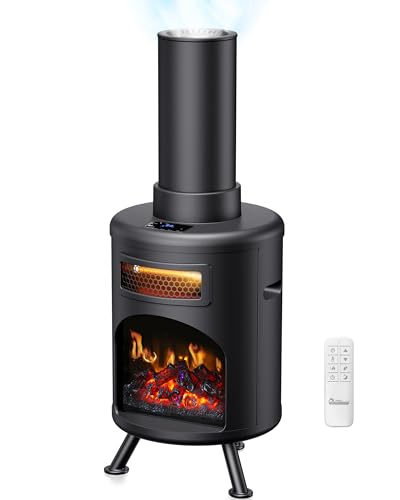
The DR-991 stands out because it combines several comfort-oriented features that are not always found together in a portable heater. It uses 1500W infrared heat, includes a 3D flame effect, and adds a built-in humidifier. That matters in winter because some people find heated indoor air uncomfortably dry, especially in bedrooms or smaller living spaces that stay closed up during cold weather. It also includes a remote, thermostat, timer, and multiple heat settings.
Within the electric fireplace vs space heater debate, this model leans toward buyers who are looking beyond simple heat output. Infrared heating, added moisture, and a freestanding format make it more lifestyle-focused than a basic ceramic box heater. Of course, that also raises the price and adds another feature to maintain. Still, for anyone who regularly notices dry skin, dry sinuses, or stale-feeling heated air, the humidifier function gives this unit a distinct role that many competing models do not fill.
Pros:
- Infrared heat may feel more comfortable for extended use
- Built-in humidifier helps address dry winter air
- Remote, timer, and thermostat improve day-to-day usability
- Portable freestanding design is easier to relocate than large fireplace cabinets
- Tip-over and overheat protection included
Cons:
- More expensive than many standard space heaters
- Humidifier feature adds complexity compared with simpler models
- Less decorative than larger stove-style fireplace units
This model fills a useful middle ground. It offers more comfort features than a basic portable heater, but it does not demand the space or visual commitment of a larger decorative fireplace.
Best for: Dry winter rooms, bedrooms, and users who want infrared heat with added moisture
ZAFRO Electric Fireplace Stove
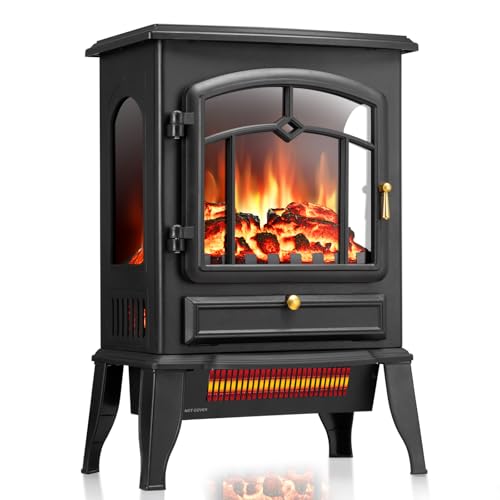
The ZAFRO stove is aimed at shoppers who want the appearance of a small freestanding fireplace without paying premium stove-heater prices. It uses 1000W and 1500W heat settings, a thermostat, adjustable flame brightness, and a compact body that is easier to place in bedrooms or apartments than a larger mantel-style unit. The vintage stove styling gives it more presence than a plain portable heater while staying manageable in tighter rooms.
Its role in this comparison is straightforward. It helps illustrate how some electric fireplaces offer the decorative side of the category without becoming oversized furniture pieces. Compared with a standard space heater, it is less discreet and not quite as convenient to tuck away, but it gives the room more character. Compared with larger premium fireplace heaters, it is more affordable and easier to move. That balance will appeal to people who want ambiance but still need practical placement flexibility.
Pros:
- Stove-style design looks more intentional than a basic heater
- Two heat settings offer some flexibility
- Compact freestanding footprint works in smaller spaces
- Adjustable flame brightness adds visual control
- Overheat protection and wider feet support safer operation
Cons:
- Not as easy to carry and stash away as a very small space heater
- Decorative housing adds cost compared with plain heaters
- Better suited to small and medium rooms than large open spaces
This is a sensible choice for people who want their supplemental heater to look like part of the room rather than an appliance brought out only when it gets cold.
Best for: Small living rooms, bedrooms, and apartments that need decorative supplemental heat
Oylus Electric Fireplace Stove Heater

The Oylus unit is a compact infrared stove heater that tries to blend comfort, visual appeal, and reasonable pricing. It offers 1500W and 750W modes, a thermostat, adjustable flame brightness, and a flame-only option, all in a freestanding stove form. Because it uses infrared quartz heating, it may appeal to shoppers who prefer the idea of direct, gentler warmth instead of relying only on fan-forced ceramic heat.
In the electric fireplace vs space heater conversation, this model works well for readers who want more than a plain heater but still care about value. It is not as inexpensive as a small ceramic desk heater, yet it remains far below the cost of larger branded decorative stoves. The inclusion of a timer and multiple operating modes also makes it easier to use as both a heater and an ambiance piece. The main compromise is that compact size still limits how much of a visual centerpiece it can be.
Pros:
- Infrared quartz heat may feel less drying than some fan-only heaters
- Flame-only mode increases year-round usefulness
- Two heat modes and thermostat provide control
- Timer adds convenience and can reduce unnecessary runtime
- Compact stove design fits smaller rooms
Cons:
- Not as cheap as very basic portable heaters
- Compact format may not suit larger rooms or open layouts
- Still needs floor space that a small space heater would not
This is a practical middle-ground option for shoppers who want a true fireplace-style heater feel without moving into the highest price tier.
Best for: Buyers seeking a compact infrared electric fireplace with balanced features and price
Riseon Portable Electric Fireplace Heater

The Riseon model leans closer to the space-heater side of the market, even though it includes a 3D flame effect and fireplace-inspired appearance. It offers 1500W and 750W heat settings, a thermostat knob, tip-over and overheat protection, and a carry handle for moving it around the home. There is also a cool fan mode, which broadens its usefulness outside the coldest months.
For shoppers comparing electric fireplace vs space heater, this is the kind of hybrid model that makes the categories overlap. It provides more personality than a standard ceramic heater, but it is still portable and relatively straightforward. It will not look as substantial as a decorative stove heater, and the controls are more basic than smart-enabled fireplace units. That said, it can be a good fit for someone who wants a touch of fireplace ambiance without giving up the convenience of a portable room heater.
Pros:
- Portable design makes room-to-room use easier
- Two heat settings plus fan mode add flexibility
- 3D flame effect gives it more visual appeal than a plain heater
- Thermostat helps manage comfort and energy use
- Includes tip-over and overheat protection
Cons:
- Less decorative than larger fireplace stoves
- More basic controls than premium fireplace heaters
- Best suited to personal or small-room heating
This is a good example of a model that splits the difference. It is practical enough for everyday targeted heating, but it does not look purely utilitarian.
Best for: Small rooms and shoppers who want portability with a modest fireplace-style look
ZJFLNZYC Portable Mini Electric Fireplace Heater

This small ZJFLNZYC heater is meant for very localized use. It uses PTC ceramic heating, has two heat levels, a built-in thermostat, 3D flame styling, and a compact body meant for desks, bedrooms, dorms, or similarly small spaces. The manufacturer indicates coverage around 50 square feet, which makes this very different from larger supplemental room heaters marketed for broad living areas.
That narrow focus is exactly why it earns a place here. Many readers are not trying to heat an entire room. They just want to warm their immediate space while working, reading, or getting ready in the morning. In those cases, a large electric fireplace would be unnecessary. This model is much more like a personal space heater with fireplace-inspired looks. The limitation is clear. It is not the right tool for bigger rooms or people expecting whole-room performance.
Pros:
- Very compact for desks and tight spaces
- Low stated noise is useful for study or sleep
- Two heat levels support basic flexibility
- Tip-over and overheat protection included
- Fireplace look is more inviting than many mini heaters
Cons:
- Coverage is limited to very small areas
- Lower wattage than many standard room heaters
- Not suitable as a primary heater for normal-size rooms
This is the kind of heater you buy for personal comfort in a very specific spot. If that matches your need, it makes more sense than paying for a larger decorative fireplace.
Best for: Desks, dorms, vanities, and very small personal-use areas
FLYMOON Electric Fireplace Heater

The FLYMOON heater is a low-cost compact unit with 750W and 1200W heating levels, a 7-hour timer, tip-over and overheat protection, and a portable design. It includes a 3D flame presentation, but unlike many fireplace-style heaters, the flame does not operate by itself without heat. That is an important difference for shoppers who specifically want year-round visual ambiance.
Even with that limitation, it serves a clear purpose in this article. It shows how some budget models blend fireplace styling into an affordable space heater format. If your main concern is keeping cost down while still avoiding the look of a plain plastic heater, this type of model can make sense. You do give up some flexibility and decorative independence compared with more developed electric fireplaces. For straightforward small-room heating on a modest budget, though, the value proposition is easy to understand.
Pros:
- Budget-friendly price point
- Compact and easy to move between rooms
- Timer adds practical shutoff control
- Includes tip-over and overheat protection
- Quieter stated operation than many older budget heaters
Cons:
- No flame-only mode
- 1200W max output is lower than many 1500W competitors
- Better for small rooms than larger spaces
This is a reasonable fit for buyers who want a low-cost heater with a warmer look than a standard utility model. It is less ideal for those prioritizing strong heating reach or decorative use without heat.
Best for: Budget-focused buyers heating a small room or office
How to Decide Between Them
Choose based on room purpose
If the heater will live in a visible gathering space, an electric fireplace often makes more sense. If it will mostly sit beside a desk, under a table, or in a small bedroom corner, a space heater is usually the more practical buy.
Choose based on how often you will move it
Frequent room-to-room use favors a lighter, smaller space heater. A fireplace unit is better when it will stay in one place for most of the season.
Choose based on budget priorities
If cost is the main issue, a space heater usually wins. If appearance matters enough that you are willing to pay more for the same basic category of supplemental heat, an electric fireplace may be worth it.
Choose based on whether you want ambiance
If you know you will enjoy a flame display on cold evenings, the electric fireplace category has a clear edge. If you would never turn on the flame effect for looks alone, there is less reason to pay extra for it.
Common Mistakes to Avoid
- Assuming fireplace models always heat better. Many use similar wattage to standard plug-in heaters.
- Ignoring room size and insulation. Marketing claims can sound broad, but real comfort depends on the room.
- Buying for appearance only. Make sure the controls, thermostat, and safety features fit your actual needs.
- Placing heaters too close to fabrics or furniture. Clearance rules still apply even with cool-looking flame displays.
- Using them as full-house heating replacements. Both are usually supplemental appliances.
Frequently Asked Questions
Is an electric fireplace more efficient than a space heater?
Not necessarily. If both draw similar wattage from a standard outlet, their electricity use can be very similar. Efficiency in practice depends a lot on how and where you use them.
Do electric fireplaces heat as well as space heaters?
Some do, especially models using 1400W to 1500W output. But many are chosen partly for appearance, so you may pay more without getting dramatically more heat than a plain space heater.
Are electric fireplaces safer than space heaters?
Both can be safe when used correctly and when equipped with modern protections such as overheat shutoff and tip-over protection. Neither should be placed close to curtains, bedding, or clutter.
Can I use an electric fireplace without heat?
Many models allow flame-only operation, but not all do. Check the product details carefully if year-round ambiance matters to you.
Which is better for a bedroom?
It depends on the bedroom size and your priorities. A small space heater is often more practical for direct warmth. An electric fireplace may be more appealing if you want quieter ambiance and a more finished look in the room.
Which is better for a home office?
For most home offices, a compact space heater is usually more convenient because it is smaller and easier to position near where you sit. A mini fireplace-style heater can make sense if appearance still matters.
Bottom Line
The electric fireplace vs space heater decision comes down to purpose. If you want straightforward supplemental heat, easy portability, and lower upfront cost, a traditional space heater is usually the better fit. If you want heat plus a visible flame effect and a heater that adds something to the room visually, an electric fireplace makes more sense.
For living rooms and bedrooms, the extra style of a fireplace heater can justify the price. For offices, small rooms, and targeted personal warmth, a compact space heater is often the more practical choice. The smartest buy is the one that matches your room size, budget, and how you actually plan to use it every day.