Choosing a wood stove is usually less about finding a single winner and more about matching the stove to the space, the fuel you plan to burn, and how you want to use it. A stove that works well in a cabin can be a poor fit for a tent, and a compact backpacking stove is not a substitute for a heater sized for a living room. The best wood stove for your situation depends on heating needs, installation space, burn time, and whether you want cooking capability as well.
That is why this guide focuses on practical differences instead of a one-size-fits-all recommendation. Some of these options are built for indoor heating, while others are better suited to camping, hot tents, or lightweight outdoor cooking. If you compare them by intended use first, the right choice becomes much easier to narrow down.
Quick Answer
If you need an indoor stove for primary or backup heat, the US Stove 1,200 Sq. Ft Wood Stove and Canyon Lodge Medium Wood Stove are the most relevant choices in this group, depending on room size. For small homes or cabins with cooking in mind, the Comfort Glow Cast Iron Wood Stove is a practical fit. For camping and hot tent use, the VEVOR Camping Wood Stove offers the most complete package here, while ultralight backpackers are better served by the Kuvik Titanium Wood Stove or the Lightweight Portable Wood Burning Camping Stove.
Comparison Table
| Product | Primary Use | Heat or Size Focus | Notable Strength |
|---|---|---|---|
| US Stove 1,200 Sq. Ft Wood Stove | Indoor heating | Up to 1,200 sq. ft. | Simple indoor heating with long burn times |
| Canyon Lodge Medium Wood Stove | Large indoor spaces | Up to 2,500 sq. ft. | Higher heating capacity for larger areas |
| Comfort Glow Cast Iron Wood Stove | Small homes and cabins | Up to 900 sq. ft. | Cooking surface and compact cast iron build |
| GVUHR Portable Wood Stove | Camping cooking | Small, foldable format | Low-cost portable cooking option |
| unho Hot Tent Stove | Hot tent and outdoor warmth | Portable heating setup | Stainless steel build with chimney pipes |
| VEVOR 118″ Camping Wood Stove | Hot tent and outdoor cooking | Large 3000in³ firebox | Strong feature set for longer stays |
| WiFER Mini Fire Stick | Fuel accessory | 4-inch kiln-dried sticks | Convenient small-fuel option for compact stoves |
| AVOFOREST Hot Tent Stove | Outdoor heat and cooking | Portable tent stove | Glass window and included accessories |
| Kuvik Titanium Wood Stove | Backpacking | Ultralight, compact design | Very low weight for minimalist trips |
| Rocket Stove for Cooking Portable Wood Burning Wood Fire | Outdoor cooking | Efficient wood-burning design | Strong flame with easy fuel sourcing |
| VEVOR Camping Wood Stove Alloy Steel | Camping heat and cooking | 1400in³ firebox | Balanced size for camping use |
| Lightweight Portable Wood Burning Camping Stove | Budget backpacking | Folding portable stove | Very low-cost entry option |
How These Wood Stoves Compare
These stoves are designed for very different jobs, so the most useful comparison is not price alone. Indoor heating models need enough output, burn time, and build quality to support regular use in a home, cabin, or off-grid space. Outdoor and backpacking stoves, by contrast, are judged more on portability, setup, fuel flexibility, and how well they handle cooking or tent heating in variable conditions. The list below reflects those differences.
Our Top Picks
US Stove 1,200 Sq. Ft Wood Stove

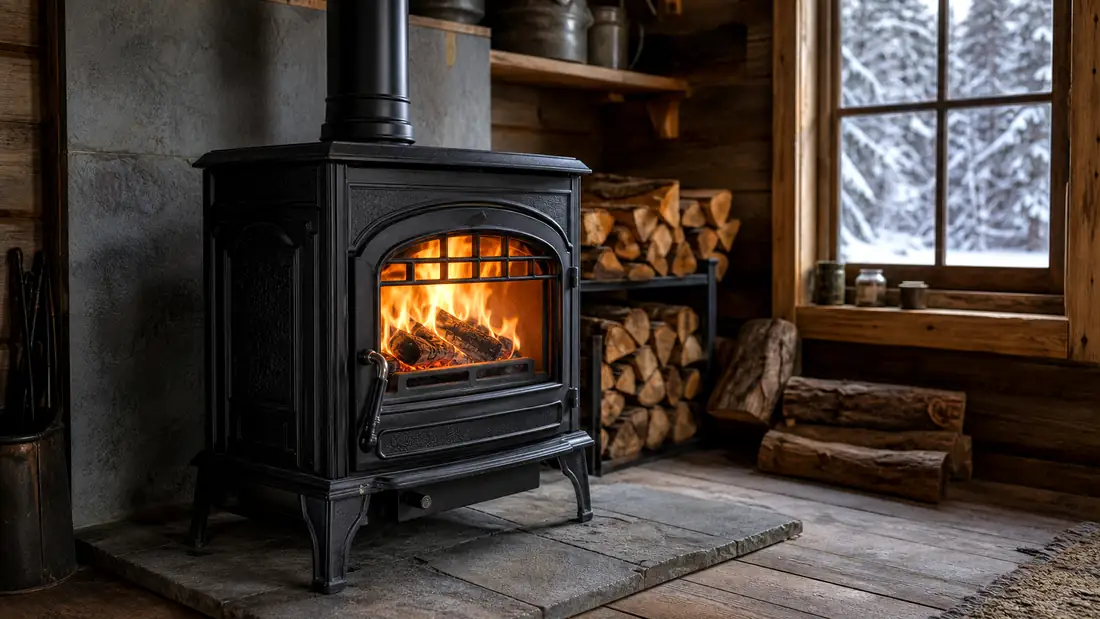
This US Stove model is built for indoor heating in smaller homes, cabins, and workshops that need dependable heat without moving into a larger, heavier stove class. It is rated to heat up to 1,200 square feet and produces 68,000 BTUs, which gives it enough capacity for many modest spaces when the installation and insulation are appropriate. The cast iron feed door and large ceramic glass window add a more traditional wood stove feel, while the built-in ash drawer makes routine cleanup less cumbersome. It also accepts logs up to 18 inches, which helps reduce how often you need to split fuel into smaller pieces.
What gives this stove a place on the list is its practical balance of heat output, burn time, and straightforward operation. It is not the largest stove here, and it is not meant for oversized homes, but it fills a common middle ground for readers who want a real indoor heater rather than a decorative unit. The included adjustable legs and pedestal base give some flexibility in setup, though the blower is sold separately, so buyers should account for that if they want faster heat distribution. That trade-off makes it better suited to someone prioritizing steady heat and simple maintenance over extra convenience features.
Pros:
- Heats up to 1,200 square feet, which suits many cabins and smaller homes
- Long burn times can reduce how often you need to reload overnight
- Accepts 18-inch logs, which is a practical size for many users
- Built-in ash drawer simplifies cleanup
- Cast iron door with glass window offers a durable, traditional design
Cons:
- Blower is sold separately
- Not large enough for bigger homes or open-plan spaces
If you want an indoor stove that covers a modest living area without moving into a premium size range, this is a sensible place to start. It focuses on core heating performance and basic usability, which is often what matters most in a simple home heating setup.
Best for: Small to medium indoor spaces, cabins, and buyers who want dependable heat with straightforward operation.
Canyon Lodge Medium Wood Stove

The Canyon Lodge Medium Wood Stove is aimed at readers with much larger spaces to heat. Its claimed coverage of up to 2,500 square feet puts it in a different category from the smaller indoor stoves on this list. The brick-lined firebox, cast iron door, and viewing window all point toward a more substantial home-heating appliance, while the airwash system is intended to help keep the glass clearer during use. A top-mounted 6-inch flue exhaust also simplifies planning for certain installations.
This model stands out because it is one of the few here that makes sense for larger homes or open layouts where smaller stoves would struggle. That said, bigger output usually means buyers need to be more careful about sizing, clearances, and chimney planning. It is not the best match for a tiny cabin or a user who only wants occasional heat. Instead, it suits someone looking for a serious indoor stove with room to spare, especially when long burn cycles and steadier whole-space heating matter more than compact size.
Pros:
- Higher heating capacity than the smaller indoor options here
- Brick-lined firebox supports heat retention
- Airwash system can help maintain a clearer viewing window
- Holds logs up to 18 inches for easier fueling
- Top flue configuration may simplify certain installations
Cons:
- Higher price than several alternatives
- Likely too large for small cabins or tight spaces
If you need more heat coverage than a typical compact indoor stove can provide, this is one of the stronger options in the group. It is built for volume and sustained warmth, not minimalist footprints or casual use.
Best for: Larger homes, open floor plans, and buyers who need higher heat coverage from a wood stove.
Comfort Glow Cast Iron Wood Stove

The Comfort Glow Cast Iron Wood Stove is a compact indoor heater for small to medium spaces where cooking support is also useful. It is rated for up to 900 square feet, so it works best in cabins, cottages, or backup-heating situations rather than large main homes. The cast iron body is a practical choice for heat retention, and the stove accepts logs up to 22 inches, which is longer than several other compact models. It also includes a flat cooking surface, making it more versatile than a plain heat-only stove.
Its place on this list comes from that combination of size, efficiency, and utility. The EPA certification matters for buyers who want a cleaner-burning stove and fewer emissions, and the standard 6-inch flue collar should make planning easier for many indoor setups. Because it is compact, it may appeal to off-grid users or homeowners with limited floor space. The trade-off is simple: this is not the stove to choose for heating a very large area, but within its intended range, it offers a useful mix of heat and cooking capability.
Pros:
- Compact footprint suits smaller homes, cabins, and cottages
- Cooktop adds practical value beyond space heating
- Accepts 22-inch logs for longer burns
- EPA certification supports cleaner-burning operation
- Cast iron construction helps retain heat
Cons:
- Coverage is limited compared with larger stoves
- Not intended for users who need whole-home heat
This is a good fit for readers who want a smaller indoor wood stove with a little extra utility. It is practical, space-conscious, and easier to justify when both heating and simple cooking matter.
Best for: Small cabins, off-grid spaces, and buyers who want heat plus a cooking surface.
GVUHR Portable Wood Stove
The GVUHR Portable Wood Stove is a small folding twig stove built for camping cooking rather than room heating. Its size, around 8.9 inches by 8.9 inches by 8.7 inches, makes it easy to pack for short trips where space matters more than output. The cast iron construction is meant to help with durability and heat distribution, while the top support frame and wind-resistant walls are designed to keep cookware stable and improve flame control outdoors. For a budget-friendly portable stove, it offers a clear and simple use case.
This model earns a spot because it covers the basics without trying to do too much. That makes it appealing for campers who want a low-cost backup cooking stove using sticks or small wood pieces they can find outdoors. It is not a premium choice, and it is not the lightest or most refined stove in the category, but it gives casual campers a functional entry point. If your priority is a compact stove for occasional cooking rather than a serious backcountry setup, this one is easy to understand and easy to justify.
Pros:
- Low price makes it accessible for casual buyers
- Folding design improves portability
- Cast iron build offers solid durability for the category
- Wind-resistant layout helps outdoor cooking
- Uses readily available fuel like twigs and small wood
Cons:
- Very small size limits what you can cook
- Not ideal for long trips where efficiency matters most
This is a practical option for light outdoor use when cost and portability matter more than refined performance. It is best treated as a simple camp cooking tool rather than a heavy-duty stove.
Best for: Casual camping, short outdoor trips, and buyers who want an affordable twig stove.
unho Wood Burning Stove

The unho Wood Burning Stove is designed for outdoor heating and cooking in settings like hot tents, ice fishing setups, or backyard gatherings. Stainless steel construction gives it a more weather-resistant profile than some lower-cost portable models, and the chimney pipe system is meant to direct smoke away from the living area. Because it is built for transport, it can serve people who want a steadier heat source than a simple fire pit but do not want a permanent installation.
Its usefulness comes from the balance between portability and real heating function. The stove is compact enough for vehicle transport, but it is still intended to produce enough heat for small outdoor spaces. That said, the trade-off is weight, since it is a bit heavier than some of the most minimalist options. Buyers who want a sturdier tent stove for frequent cold-weather outings will likely appreciate that extra build material. Those who need the lightest possible carry should look elsewhere.
Pros:
- Stainless steel build supports durability in outdoor conditions
- Includes chimney pipes for safer smoke venting
- Works for heating and basic outdoor cooking
- Suitable for backyard use, camping, and ice fishing
- More substantial than very lightweight ultralight stoves
Cons:
- Heavier than some other portable stoves
- Not meant for indoor home heating
This stove makes sense for readers who want a portable outdoor heat source with more substance than a tiny cook stove. It is a solid middle-ground pick for tent and backyard use.
Best for: Hot tents, backyard gatherings, and outdoor users who want a sturdier portable stove.
VEVOR 118″ Camping Wood Stove

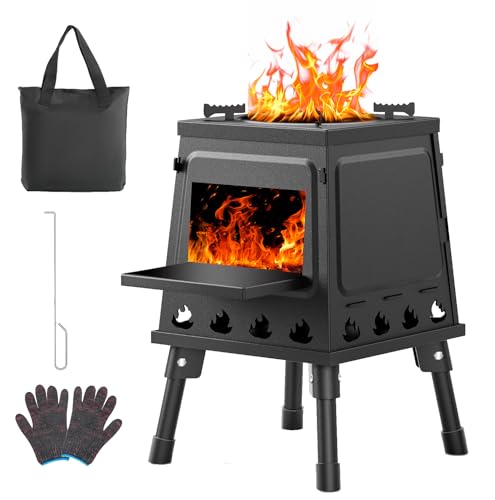
The VEVOR 118″ Camping Wood Stove is a large portable tent stove built for outdoor heating and cooking where longer burn times and more setup flexibility matter. Its 3000in³ firebox gives it more capacity than many compact camping stoves, which can reduce how often you need to feed it during cold-weather use. The included chimney pipes, gloves, and accessories make it feel more complete out of the box, and the detachable shelves add real utility for preparing meals or keeping cookware nearby.
This model stands out because it is more versatile than a bare-bones tent stove and more substantial than a lightweight backpacking option. The spark arrestor, fire grate, and powder coating are useful details for outdoor safety and durability, especially when the stove will see repeated use in changing weather. It is still a portable stove, though at 54 pounds it is not something you would want to carry far on foot. For car camping, base camp, and longer cold-weather trips, that weight is easier to accept than for backpacking.
Pros:
- Large firebox supports longer burn times
- Detachable shelves add useful cooking and storage space
- Includes several accessories, reducing the need for extra purchases
- Spark arrestor and fire grate improve outdoor safety features
- Durable alloy steel panels suit regular outdoor use
Cons:
- Too heavy for backpacking
- Assembly is more involved than a small folding stove
If you want a well-equipped camping stove for heating and cooking, this is one of the more capable options here. It is especially useful when size and feature set matter more than portability alone.
Best for: Car camping, hot tents, and outdoor users who want a larger, more complete stove kit.
WiFER Mini Fire Stick

The WiFER Mini Fire Stick is not a stove, but it belongs in a wood stove buying guide because fuel quality can affect how well small stoves perform. These 4-inch kiln-dried pine sticks are meant for tabletop fire pits, pizza ovens, camp stoves, and compact wood-burning setups that do better with small, dry fuel. The low moisture content is intended to reduce smoke and help the sticks burn more consistently, which is useful when the stove or fire box cannot handle larger logs.
Its place here is practical rather than flashy. Readers shopping for a small stove, tabletop unit, or outdoor cooking setup often need compatible fuel more than another piece of equipment. A 2-pound box is easy to store and easy to use, but it will not replace a full firewood supply for larger stoves. It is best seen as a convenience accessory for short burn sessions, cooking tasks, or compact indoor and outdoor fire use where neatly sized fuel matters.
Pros:
- Kiln-dried fuel helps support cleaner burns
- Small 4-inch size suits compact stoves and tabletop fire pits
- Easy to store and transport
- Useful for cooking and quick fire starts
- Helps reduce the need to cut larger wood into smaller pieces
Cons:
- Not a substitute for regular firewood in larger stoves
- Small package size means limited fuel supply
This is a sensible add-on for readers using compact wood stoves or tabletop fire pits. It is useful when fuel size and burn consistency matter more than volume.
Best for: Compact stoves, tabletop fire pits, pizza ovens, and short cooking or heating sessions.
AVOFOREST Hot Tent Stove

The AVOFOREST Hot Tent Stove is another portable outdoor heater, but it focuses more on flexibility and visibility than some of the simpler tent stoves. Its seven-section chimney design lets you adjust the height for different setups, and the damper helps control flame size and burn rate. The viewing window is a useful touch because it lets you monitor the fire without opening the stove repeatedly. For cold-weather campers who like to see how the fire is behaving, that is a practical convenience.
It earns a recommendation because it tries to be a complete portable stove package. The included tongs, brush, gloves, and drain screens reduce the need to buy accessories separately, which can matter for first-time tent stove buyers. It is still a portable iron-and-stainless setup, so it requires proper outdoor use and some assembly. But compared with very basic models, it gives users more control over the fire and a few thoughtful extras that improve day-to-day use.
Pros:
- Adjustable chimney sections add setup flexibility
- Viewing window makes fire monitoring easier
- Includes useful accessories like gloves and cleaning tools
- Damper supports better flame control
- Compact enough for car transport and camping use
Cons:
- Requires careful outdoor setup and first-time burn-in
- Not as light as ultralight backpacking stoves
This is a sensible pick for campers who want a more adjustable hot tent stove with useful accessories included. It offers practical features without moving into a much more expensive or oversized class.
Best for: Hot tent camping, ice fishing, and users who want an adjustable portable stove with a viewing window.
Kuvik Titanium Wood Stove

The Kuvik Titanium Wood Stove is built for backpackers who care most about weight and pack size. At 6.8 ounces, it is one of the lightest options in this article, and it collapses into a very thin profile for easy storage. The titanium construction is an important feature for travelers who want a durable stove without adding much bulk to their pack. It is designed to burn small natural fuel sources like twigs, bark, and grass found at camp, which can reduce dependence on carried fuel canisters.
This stove deserves attention because it fits a very specific need that larger portable stoves cannot cover. It is not meant for heating tents or cooking for a group, and it is not the most convenient choice if you want fast, stable cooking on a long trip. Instead, it serves hikers, ultralight backpackers, and emergency-kit users who value minimal weight above all else. If your trips reward every ounce saved, this is one of the more sensible wood-burning choices available.
Pros:
- Extremely light and compact for backpacking
- Titanium construction offers strong durability for the weight
- Collapses flat for easier storage
- Uses found fuel like twigs and bark
- Included case helps keep soot off other gear
Cons:
- Too small for heating larger spaces
- Best for solo use or very light cooking
If your main concern is shaving weight from your pack, this stove is one of the strongest matches in the group. It is a specialized tool, not a general-purpose heating solution.
Best for: Ultralight backpackers, solo hikers, and emergency kits where weight matters most.
Rocket Stove for Cooking Portable Wood Burning Wood Fire

This rocket stove is designed around efficiency. Its chimney-style airflow pulls in oxygen from below, which helps create a stronger flame with less fuel waste. For outdoor cooking, that can be useful when you want concentrated heat for a pot, pan, or kettle without carrying propane canisters. The steel construction and high weight capacity suggest a more stable cooking platform than many flimsy portable stoves, and the included storage bag makes it easier to pack away after use.
It stands out because rocket stoves naturally favor quick boiling, straightforward cooking, and fuel flexibility. If you camp or cook outside in places where sticks, leaves, and small branches are easy to find, that can be a major advantage. It is less appealing if you want a stove for heating a tent or running a longer burn session, since its strength is concentrated flame rather than room heat. For outdoor cooks, emergency kits, and backyard use, it fills a useful niche.
Pros:
- Efficient chimney effect supports strong combustion
- Works with easy-to-find natural fuel
- Stable steel build suits regular outdoor use
- Compact with included storage bag
- Good fit for cooking and emergency preparedness
Cons:
- Not intended for indoor use or tent heating
- Best for cooking, not for warming larger areas
This is a practical choice if you want a portable wood stove focused on outdoor cooking efficiency. It is less versatile than larger tent stoves, but it performs its main job well.
Best for: Camping cooks, backyard use, and emergency kits that need a compact wood-burning option.
VEVOR Camping Wood Stove Alloy Steel

The VEVOR Camping Wood Stove Alloy Steel model sits in the middle ground between ultralight stoves and heavier base-camp units. Its 1400in³ firebox gives it enough room for longer heating sessions, while the included pipes, rain cap, gloves, and fire hook make the setup feel more complete. The stove also includes an ashtray and ventilation features that help with fire management and cleanup, which matters when you plan to use it repeatedly in a tent or outdoor shelter.
This stove belongs on the list because it balances portability, heating capacity, and accessories better than many low-cost camping stoves. The 3 mm reinforced panels and rust-resistant materials are useful for users who expect regular outdoor wear. It is not the lightest choice for hikers, and it is not the most compact option for minimalist packing, but for campers who need dependable heat with manageable weight, it makes practical sense.
Pros:
- Balanced size for camping heat and cooking
- Includes useful accessories for setup and maintenance
- Large firebox supports longer burn times
- Reinforced panels improve durability
- Ashtray and ventilation features support easier use
Cons:
- Too heavy for backpacking
- More involved to carry than folding ultralight stoves
This is a reasonable option for buyers who want a capable camp stove without stepping into the largest or heaviest category. It gives you a useful mix of performance and portability.
Best for: Car camping, tent heating, and outdoor users who want a mid-sized portable wood stove.
Lightweight Portable Wood Burning Camping Stove

This folding camping stove is a budget-friendly option for hikers and campers who want a very simple wood-burning setup. It is made from hardened stainless steel and designed to pack into a reusable pouch, which keeps storage and transport easy. Like other small twig stoves, it uses natural fuel sources such as wood, leaves, and branches, so it can be handy when you do not want to carry canisters or liquid fuel. The setup time is short, which makes it useful for quick cooking tasks in the field.
Its appeal is straightforward: low cost, low weight, and no complicated fuel system. That said, buyers should keep expectations realistic. This is a basic portable stove, not a heavy-duty cooker or heater, and it will not offer the stability or durability of more expensive titanium or steel options. For occasional trips, emergency kits, or users trying a wood stove for the first time, it provides an affordable way to test whether this style of cooking fits their needs.
Pros:
- Very affordable compared with most other options
- Folds down for easy carrying
- Uses free or readily available natural fuel
- Quick to assemble and use
- Good entry-level option for casual outdoor use
Cons:
- Basic construction compared with higher-end stoves
- Best for light use rather than frequent heavy cooking
If you want the least expensive way to get into portable wood stove use, this is a logical starting point. It is simple, lightweight, and suited to occasional outdoor cooking.
Best for: Budget buyers, occasional campers, and emergency kits that need a low-cost folding stove.
Buying Guide
Before choosing a wood stove, the first question is where it will be used. Indoor stoves need proper sizing, clearances, and venting, while tent and backpacking stoves are judged more by portability and fuel flexibility. Heating area matters for home models, but burn time and ease of loading matter too. For outdoor models, think about whether you need heat, cooking, or both. The right stove is usually the one that fits the space and use case without forcing you to work around its limits.
What to Look For in an Indoor Wood Stove
For indoor use, pay close attention to heating capacity, log length, and installation requirements. A stove that is too small will struggle to maintain comfortable heat, while one that is too large can make the space uncomfortable and harder to manage. Cast iron and steel each have their own trade-offs, but both can work well when sized correctly. Features like ash drawers, glass viewing windows, and blower options are helpful, but they should come after the basics of sizing and venting.
What to Look For in a Camping or Tent Stove
Portable stoves should be evaluated differently. Weight, folded size, chimney setup, and firebox capacity often matter more than raw output. If you plan to heat a tent, check that the stove is made for that purpose and that you can safely route the chimney. If you only want to cook, a rocket stove or compact twig stove may make more sense than a larger tent stove. Accessories also matter because gloves, pipe sections, ash tools, and spark arrestors can improve convenience and safety.
Fuel and Burn Time
Wood stoves are only as convenient as the fuel they can use. Larger indoor stoves usually take longer logs and offer longer burn times, which is useful overnight. Smaller camping stoves often rely on twigs, small sticks, or short firewood pieces. Kiln-dried fuel burns cleaner and more predictably, but it is not always necessary for every use. If you want less smoke and easier ignition, fuel quality matters almost as much as the stove itself.
Common Mistakes
- Choosing a stove based on price alone without checking heating capacity
- Buying an indoor stove without planning for venting and clearances
- Expecting a backpacking stove to heat a tent or cabin
- Ignoring weight if the stove must be carried long distances
- Overlooking whether the stove can use the fuel length you already have
Frequently Asked Questions
What size wood stove do I need?
That depends on the space and insulation. Smaller stoves are better for cabins, single rooms, or backup heat, while larger models are better for open layouts and larger homes. Always match the stove to the actual area you want to heat, not just the biggest number you can find.
Are wood stoves safe for indoor use?
They can be safe when installed and used correctly, but indoor wood stoves require proper venting, clearance from combustible materials, and regular maintenance. Always follow the manufacturer’s installation instructions and local codes.
Can a camping wood stove heat a tent?
Some can, but only models specifically designed for hot tent use. Small backpacking stoves are usually for cooking only. A tent stove should include chimney sections and be used with safe spacing and ventilation.
Do I need kiln-dried wood?
Not always, but kiln-dried wood or small dry fuel usually lights more easily and produces less smoke. That is especially helpful for compact stoves, cooking setups, and situations where clean burn matters.
Final Recommendations
The right wood stove depends on the job you need it to do. For indoor heating, the US Stove 1,200 Sq. Ft Wood Stove works well for smaller spaces, while the Canyon Lodge Medium Wood Stove is better for larger areas. If you want a compact indoor unit with cooking support, the Comfort Glow Cast Iron Wood Stove is the more versatile pick. For outdoor use, choose the VEVOR 118″ Camping Wood Stove for a full tent-stove setup, the Kuvik Titanium Wood Stove for ultralight travel, or the Rocket Stove for Cooking when your main goal is efficient outdoor meals. Select the stove that fits your space, fuel, and setup requirements first, then compare the extra features.