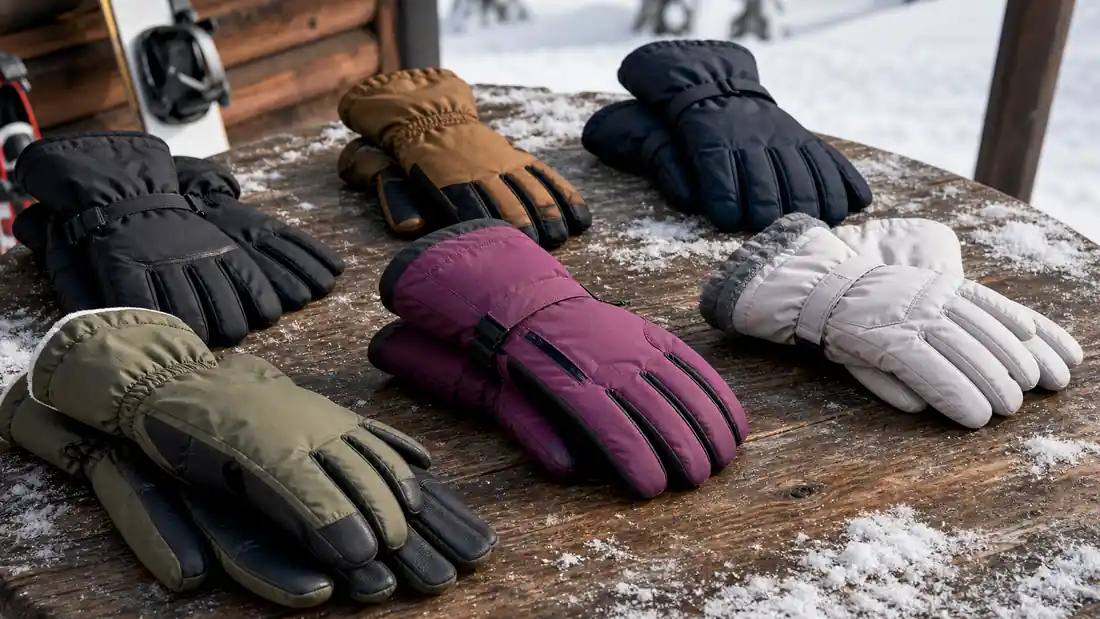
Cold fingers can shorten a ski day quickly, but choosing the warmest-looking glove is not always the answer. Insulation matters, yet so do waterproofing, cuff coverage, grip, dexterity, and fit. A thick glove that restricts movement or allows snow through the wrist may be less useful than a moderately insulated model with a secure gauntlet cuff.
The best ski gloves for women also depend on where and how you ski. Resort skiers in wet conditions generally need dependable waterproof protection, while occasional skiers in milder weather may prefer a lighter, less expensive glove. This guide compares six options ranging from dedicated snow-sports gloves to budget models better suited to short ski sessions and general winter use.
Quick Answer
Among these six picks, the Dakine Women’s Sequoia GORE-TEX Gloves offer the most convincing combination of snow-sports construction, synthetic insulation, and wet-weather protection. The Burton Women’s Profile Gloves are a strong alternative for skiers who want low-bulk insulation, an extended cuff, and touchscreen control.
For occasional skiing on a smaller budget, the ihuan Winter Waterproof Ski Gloves provide useful grip and moderate-cold protection without substantial bulk. The SIMARI Winter Gloves are better treated as liners or active winter gloves rather than primary ski gloves because their stretchy fabric construction is not designed for prolonged exposure to wet snow.
Comparison Table
| Product | Best For | Insulation or Lining | Weather Protection | Notable Trade-Off |
|---|---|---|---|---|
| Dakine Women’s Sequoia GORE-TEX Gloves | Regular resort skiing | Hi Loft synthetic insulation and tricot lining | GORE-TEX insert and DWR-treated shell | Fewer convenience details listed than the Burton model |
| Burton Women’s Profile Gloves | Low-bulk snow-sports use | ThermacoreECO insulation and microfiber lining | Waterproof membrane and two-layer shell | Specific color and size availability may be limited |
| Women’s 3M Thinsulate Ski Gloves | Budget snow-sports features | 3M Thinsulate, cotton fill, and soft lining | Nylon shell and internal waterproof layers | Less established product identity and technical documentation |
| RIVMOUNT Winter Gloves | Mixed winter activities | Multilayer construction with synthetic insulation | Waterproof fabric and TPU inserts | Manufacturer advises against extended extreme-cold use |
| ihuan Winter Waterproof Ski Gloves | Mild ski days and everyday wear | Dense fleece lining | Water-resistant outer fabric; wrist is not waterproof | Recommended by the manufacturer only for moderate winter temperatures |
| SIMARI Winter Gloves | Glove liners and high-output activity | Flannel lining | No stated waterproof membrane | Not a substitute for a waterproof ski glove |
How We Chose These Picks
These recommendations were assessed using the factors that make the greatest practical difference on the mountain:
- Weather protection: A ski glove should block wind and prevent melting snow from reaching the insulation. Waterproof membranes and secure cuffs received more weight than general water-resistance claims.
- Warmth: We considered insulation and lining materials while avoiding unsupported temperature claims. Warmth also depends on circulation, activity level, wind, moisture, and individual cold tolerance.
- Cuff design: Extended gauntlets and adjustable wrist closures help keep snow from entering after a fall or while adjusting bindings.
- Grip and dexterity: Reinforced or textured palms can make it easier to hold poles, carry skis, and operate buckles.
- Activity suitability: Dedicated resort gloves were separated from lighter gloves intended mainly for running, driving, commuting, or occasional snow use.
- Care requirements: Waterproof inserts and coated shells can require gentler washing and air-drying than basic knit gloves.
- Value: Lower-cost gloves were considered for occasional use, but affordability did not outweigh major limitations in weather protection.
Our Top Picks
These six gloves are not arranged as a simple best-to-worst ranking. The Dakine and Burton models are the more appropriate choices for regular snow-sports use, while the lower-cost gloves address occasional skiing, active winter exercise, or everyday wear. Compare the weather protection, cuff construction, insulation, and limitations of each option before deciding.
Dakine Women’s Sequoia GORE-TEX Gloves

The Dakine Women’s Sequoia is a dedicated ski and snowboard glove rather than a general cold-weather model. It combines a GORE-TEX ePE insert with Hi Loft synthetic insulation and a 150-gram tricot lining. The polyester shell has a PFC-free durable water-repellent treatment, while the Rubbertec palm supplies a more durable gripping surface for ski poles and equipment. That construction makes the Sequoia the most suitable option here for skiers who expect repeated contact with snow and want a glove designed specifically around resort use.
Its clearest advantage over inexpensive multipurpose gloves is the combination of an established waterproof insert and snow-sports-focused materials. Synthetic insulation is practical in this setting because it is designed to provide loft without relying on down, which can be more vulnerable to moisture. The glove will still need to fit correctly to work well. A size that compresses the insulation or restricts circulation can leave fingers cold. Buyers should confirm Dakine’s hand measurements and allow enough room to move the fingers without creating excessive empty space.
Pros:
- GORE-TEX insert provides a stronger basis for wet-weather protection than a basic coated shell
- Hi Loft synthetic insulation is intended for skiing and snowboarding
- Tricot lining adds warmth and comfort against the hand
- Rubbertec palm supports grip on poles and winter equipment
- Shell incorporates recycled polyester and a PFC-free water-repellent treatment
Cons:
- Available sizing and color options should be checked carefully before ordering
- Thicker snow-sports construction may feel less dexterous than a lightweight liner glove
The Sequoia is the strongest all-around snow-sports option in this group for women who prioritize insulation and protection from wet snow. It may be more glove than a casual user needs, but its materials are better aligned with full ski days than those of the lighter multipurpose alternatives.
Best for: Regular resort skiers who need insulated gloves with a waterproof insert.
Burton Women’s Profile Gloves
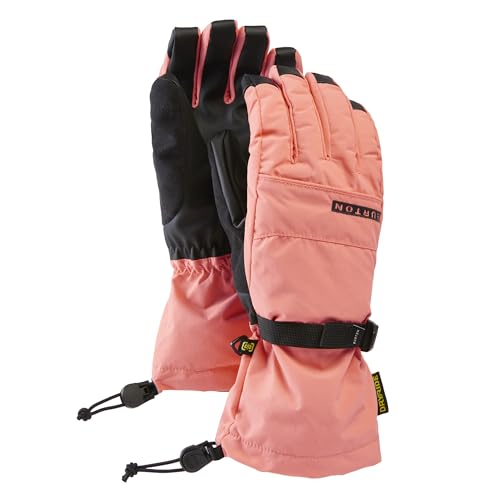
The Burton Women’s Profile combines a two-layer DRYRIDE shell with a waterproof DRYRIDE membrane, ThermacoreECO insulation, and a fixed brushed microfiber lining. Burton describes the insulation as lightweight and breathable, which may appeal to skiers who want warmth without an especially bulky glove. An extended gauntlet cuff, adjustable wrist cinch, and removable leash address common on-mountain concerns. The longer cuff can overlap a jacket sleeve, while the cinch helps reduce openings where wind and loose snow could enter.
Convenience features distinguish the Profile from the Dakine Sequoia. Its Screen Grab synthetic palm supports touchscreen use, and the pre-curved shape is designed to follow the hand’s natural position. A soft thumb panel serves as a nose wipe, and the D-ring and hook simplify storage. These details make it a practical resort glove for people who frequently handle a phone, pass, or equipment. The trade-off is that low-bulk insulation may not satisfy skiers with unusually cold hands in severe conditions, when a warmer glove or mitten may be more appropriate.
Pros:
- Waterproof membrane and two-layer shell are designed for snow-sports weather
- Low-bulk synthetic insulation supports mobility
- Extended gauntlet and wrist cinch help keep snow out
- Touchscreen-compatible synthetic palm
- Pre-curved fit and removable wrist leash add practical convenience
Cons:
- Lower-bulk insulation may not be warm enough for people with persistently cold hands
- The listed Sunrise Coral color may show dirt more readily than darker gloves
The Profile balances weather protection, mobility, and useful resort details. It is particularly appealing for moderate resort conditions and skiers who dislike oversized gloves. Those who regularly encounter severe cold may prefer a more heavily insulated glove or mitten, even if that means giving up some dexterity.
Best for: Resort skiers seeking low-bulk warmth, a gauntlet cuff, and touchscreen control.
Women’s 3M Thinsulate Ski Gloves

These women’s ski gloves combine 3M Thinsulate with additional synthetic fill and a soft inner lining. The manufacturer describes a waterproof nylon outer shell, breathable TPU membrane, and internal waterproof layer. Adjustable wrist straps and elastic cuffs are intended to close off entry points for wind and snow, while a clip keeps the gloves together when they are stored. The PU palm covers the fingers as well as the gripping surface, providing touchscreen capability and a textured contact area for poles, steering wheels, or shovels.
This model offers a broad set of ski-oriented features at a relatively accessible price, but its marketplace information is less technically detailed than the documentation supplied for established snow-sports models from Dakine and Burton. Claims such as complete waterproofness and extreme-cold performance should therefore be interpreted cautiously. Actual warmth will depend on fit, exposure, and activity. These gloves make the most sense for occasional skiers who want insulation, wrist adjustment, and phone access without moving into a higher price category.
Pros:
- 3M Thinsulate insulation adds warmth without relying solely on thick cotton fill
- Adjustable wrist straps and elastic cuffs help close gaps
- Conductive material extends across all fingers
- PU palm supports grip on poles and tools
- Pairing clip makes the gloves easier to store together
Cons:
- Waterproof and extreme-cold claims are not supported by a stated independent test standard
- Layered insulation may reduce fine finger dexterity
These gloves provide many of the features occasional skiers look for at a budget-oriented price. They are a more ski-specific choice than thin running gloves, but the less detailed technical information makes them harder to evaluate for prolonged exposure to severe or consistently wet conditions.
Best for: Occasional skiing and general snow activities on a limited budget.
RIVMOUNT Waterproof Winter Gloves

RIVMOUNT’s unisex winter gloves use a multilayer construction with synthetic insulation, a soft lining, waterproof outer fabric, and internal TPU layers. The elastic cuff creates a close wrist fit, while the conductive PU palm combines touchscreen function with a more secure gripping surface. Reflective detailing can improve visibility when running or walking near traffic in low light, and a small buckle keeps the pair connected. These features make the gloves suitable for mixed winter activities, including commuting, hiking, shoveling, and short recreational outings in snow.
The RIVMOUNT model is more versatile than a dedicated gauntlet ski glove, but versatility comes with compromises. Its shorter cuff provides less sleeve overlap than the Burton Profile, and the manufacturer specifically advises users to consider professional-grade gloves for extended exposure to subfreezing or extreme conditions. It also states that the gloves should not be immersed. For a casual ski day in moderate conditions, they may provide enough protection, particularly for someone who also wants a glove for driving or outdoor chores. They are less appropriate for long, stormy days on exposed lifts.
Pros:
- Multilayer construction combines insulation with internal TPU barriers
- Conductive PU palm supports both grip and touchscreen use
- Reflective strip is useful for low-light walking or cycling
- Shorter, flexible profile works across several everyday activities
- Pairing buckle reduces the chance of separating the gloves in storage
Cons:
- Not recommended by the manufacturer for extended exposure to extreme cold
- Short cuff offers less snow protection than an extended ski gauntlet
The RIVMOUNT gloves offer useful weather protection and everyday versatility for the price. They are better suited to moderate outings and mixed winter use than demanding resort conditions. Skiers who spend long periods in wet snow should favor a dedicated glove with a longer cuff and established waterproof insert.
Best for: Women who want one affordable glove for occasional skiing, commuting, and outdoor chores.
ihuan Winter Waterproof Ski Gloves

The ihuan winter gloves use water-resistant outer fabric, a dense fleece lining, and an adjustable cuff to provide moderate winter protection without the bulk of a traditional resort glove. Microfiber leather across the palm adds texture and abrasion resistance, while conductive sections allow basic touchscreen operation. According to the manufacturer, the gloves are best suited to temperatures from 20°F to 32°F and are not intended for extreme weather. That qualified range is important because it positions them as mild-to-moderate winter gloves rather than severe-cold equipment.
The lightweight shape should work well for driving, walking, cycling, shoveling, and occasional skiing when the forecast is relatively mild. However, the flexible wrist area is not waterproof, so melting snow can enter if the cuff becomes saturated or does not overlap the jacket sleeve. They should not be submerged or treated as fully sealed ski gloves. Compared with the Dakine and Burton options, ihuan prioritizes affordability and dexterity over storm-level protection. Cold-sensitive skiers and anyone expecting wet snowfall should choose a more substantial model.
Pros:
- Lightweight construction is less cumbersome for driving and daily tasks
- Dense fleece lining provides moderate insulation
- Microfiber leather palm improves grip and wear resistance
- Touchscreen compatibility reduces the need to remove the gloves
- Manufacturer provides a specific intended temperature range rather than an unqualified extreme-cold claim
Cons:
- Wrist area is not waterproof
- Not intended for extreme weather or prolonged severe cold
The ihuan gloves make sense for mild ski days, short snow sessions, and people who want a lighter glove for several winter activities. Their wrist construction and stated temperature limits make them less suitable for deep snow, wet storms, or extended time on exposed chairlifts.
Best for: Mild-weather skiing and everyday winter activities where dexterity matters.
SIMARI Winter Touchscreen Gloves
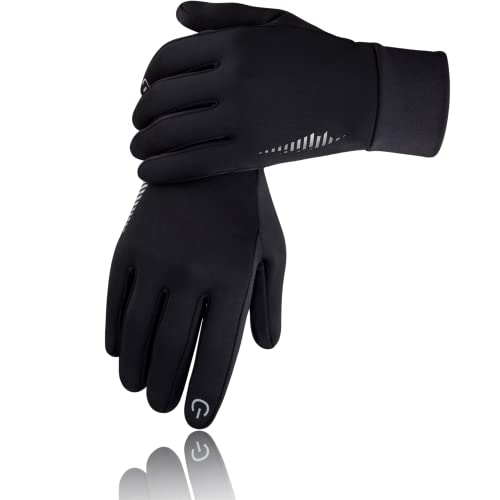
SIMARI Winter Gloves are made from 95 percent polyester and 5 percent spandex, with a flannel lining and elastic cuffs. Silicone particles across the palms and fingers provide traction, while conductive fingertips allow interaction with phones, watches, and vehicle displays. Reflective patterns on the back add visibility during evening runs or walks. The close, stretchy construction emphasizes dexterity and mobility, making these gloves more suitable for active use than for sitting on an exposed ski lift.
Despite the broad product title, this is not a conventional waterproof ski glove. No waterproof membrane or insulated snow cuff is specified, and the low-profile fabric is unlikely to offer the same protection as a dedicated shell glove. Its value in a ski kit is primarily as a liner, provided it fits comfortably beneath a roomier outer glove without restricting circulation. It can also serve as a standalone option for running, driving, or walking in cool, dry weather. Skiers should not rely on it alone in wet snow or prolonged cold.
Pros:
- Stretch fabric supports finger mobility and a close fit
- Flannel lining adds light warmth
- Silicone grip covers both the palm and fingers
- Touchscreen fingertips support phone and device use
- Reflective detailing is useful for low-light outdoor activity
Cons:
- No waterproof membrane is specified
- Light insulation is not designed for long periods on cold chairlifts
The SIMARI is the lightest and most activity-oriented option in this guide. It can be useful beneath a shell or during high-output winter exercise, but it should not be mistaken for a primary ski glove. Its strengths are flexibility, grip, and device control rather than deep-winter weather protection.
Best for: Use as a ski-glove liner or as a standalone glove for running and other active winter use.
How to Choose Women’s Ski Gloves
Prioritize Waterproofing for Resort Use
Ski gloves frequently contact snow while carrying skis, adjusting bindings, brushing off a chair, or recovering from a fall. Once insulation becomes wet, the glove can lose warmth and take a long time to dry.
A waterproof insert or membrane generally offers more dependable protection than a shell described only as water-resistant. Durable water-repellent treatments help moisture bead on the surface, but they are not the same as a waterproof barrier. Seams, cuffs, and wrist openings also affect whether moisture reaches the hand.
Match Insulation to Your Conditions
More insulation is not automatically better. Thick gloves can become sweaty during hiking, cross-country skiing, or other high-output activities. Moisture from perspiration may then make the hands feel colder when activity slows.
- Light insulation: Better for mild weather, active skiing, and people whose hands stay warm easily.
- Moderate insulation: A flexible choice for typical resort conditions.
- Heavy insulation: More appropriate for cold-sensitive users, slow activity, and long lift rides, though it increases bulk.
Synthetic insulation is common in ski gloves because it provides loft and remains more practical around moisture than untreated down. The complete design still matters. Insulation cannot compensate for an open cuff or poor fit.
Check Fit Before Evaluating Warmth
A ski glove should fit securely without squeezing the hand. Tight gloves can compress insulation and restrict circulation, both of which can make fingers colder. Excessively loose gloves create dead space, reduce pole control, and make it harder to operate zippers or bindings.
Measure around the widest part of the hand and compare that number with the manufacturer’s size chart. Also check finger length when sizing information allows. People between sizes should consider whether they plan to wear liners, but liners should never make the final fit restrictive.
Choose the Right Cuff Style
Gauntlet cuffs extend over a jacket sleeve and usually provide better protection from loose snow. They are useful for resort skiing, snowboarding, and beginners who may have more frequent contact with the snow.
Under-cuff gloves sit beneath the jacket sleeve and create a cleaner, less bulky profile. They can work well when the jacket cuff adjusts securely, but the overlap needs to prevent gaps. Short everyday cuffs are convenient for driving and commuting but provide less protection during falls.
Balance Grip and Dexterity
Leather, synthetic leather, rubberized material, and silicone patterns can all improve grip. Reinforcement is especially useful at the palm and between the thumb and index finger, where ski poles create repeated friction.
Dexterity depends on glove thickness, finger shape, and fit. Pre-curved fingers can reduce resistance when wrapping the hand around a pole. Touchscreen material is convenient, but precise typing may remain difficult in an insulated glove. It should be viewed as a secondary feature rather than a substitute for warmth and weather protection.
Decide Between Gloves and Mittens
Gloves provide individual finger movement, which helps with poles, boot buckles, and jacket zippers. Mittens place the fingers together, allowing them to share warmth, but sacrifice some dexterity.
Women who regularly struggle with cold fingers may be more comfortable in mittens or three-finger lobster-style gloves. Standard five-finger gloves remain practical for skiers who value equipment handling and do not have significant circulation or cold-sensitivity concerns.
Common Ski Glove Buying Mistakes
- Buying a glove that is too small: A tight fit can restrict blood flow and flatten the insulation.
- Treating water-resistant as waterproof: A coated shell may handle light snow without remaining dry through prolonged wet exposure.
- Choosing an everyday glove for full-day skiing: Running and driving gloves often lack a waterproof insert, secure cuff, and enough stationary warmth for lift rides.
- Ignoring the jacket cuff: Gloves and sleeves need to overlap securely. A gap at the wrist can allow in snow and wind.
- Focusing on touchscreen use first: Phone compatibility is convenient, but warmth, fit, grip, and moisture protection matter more.
- Drying gloves with excessive heat: High heat can damage waterproof membranes, adhesives, and synthetic palm materials.
- Putting gloves away while damp: Moisture can cause odor and reduce comfort on the next outing. Dry gloves fully before storage.
Ski Glove Care and Maintenance
Always follow the care label because washing instructions differ by membrane, shell, insulation, and palm material. If machine washing is not specifically permitted, gentle hand-washing is the safer approach.
- Shake or brush away loose snow and dirt.
- Close hook-and-loop straps to prevent snagging.
- Use cool or lukewarm water and a mild detergent appropriate for technical clothing.
- Avoid fabric softener, which can interfere with moisture-management finishes.
- Do not wring gloves aggressively because twisting can damage internal layers.
- Air-dry them in a ventilated area away from direct high heat.
- Turn cuffs outward when practical so trapped moisture can escape.
- Store the pair only after both gloves are completely dry.
A water-repellent outer finish may eventually need renewal. Use only a treatment compatible with the glove’s shell and waterproof membrane, and follow the garment manufacturer’s instructions.
Frequently Asked Questions
Are women’s ski gloves different from men’s ski gloves?
The primary difference is often fit rather than insulation technology. Women’s models may have different proportions through the palm, wrist, and fingers. However, hand shape varies widely, and a well-fitting unisex glove can be more comfortable than a poorly fitting women-specific model. Measurements are more useful than the gender label alone.
Should ski gloves fit tightly?
No. They should feel secure without squeezing the palm or fingertips. You should be able to bend the fingers and make a relaxed fist. A small amount of space near the fingertips can help preserve insulating air, but too much space reduces control.
Can liner gloves make ski gloves warmer?
Yes, provided the outer glove has enough room. A thin liner can add warmth, manage moisture, and protect the hand when the outer glove is removed. If the liner makes the glove tight, it can reduce circulation and make the hand colder.
Are touchscreen ski gloves worth choosing?
Touchscreen material is useful for taking a quick photo, checking a map, or answering a call. Performance varies, especially with thick insulation and wet surfaces. It is a helpful convenience but should not outweigh fit, waterproofing, and warmth.
Are waterproof gloves always breathable?
No. Waterproof barriers vary in breathability, and even breathable membranes may feel damp during strenuous activity. Sweat management also depends on insulation thickness, lining materials, outside temperature, and how much heat the wearer generates.
How many pairs of ski gloves should I bring?
For a multi-day trip, bringing a second pair is useful in case the first remains damp overnight. A spare liner also takes little packing space. Skiers traveling to consistently wet areas may benefit more from a backup than those expecting cold, dry conditions.
Are budget gloves suitable for skiing?
They can be adequate for occasional use in moderate weather, particularly if they have a secure cuff, useful grip, and an internal waterproof layer. Frequent skiers and people expecting wet storms generally benefit from dedicated snow-sports gloves with better-documented weather protection.
Final Recommendations
Of these six options, the Dakine Women’s Sequoia GORE-TEX Gloves are the most suitable for regular resort use because their insulation, palm, shell, and waterproof insert are built around skiing and snowboarding. The Burton Women’s Profile Gloves are better for skiers who prioritize a less bulky feel, touchscreen access, and an adjustable gauntlet.
Budget shoppers can consider the Women’s 3M Thinsulate Ski Gloves for occasional snow-sports use, while the RIVMOUNT and ihuan models make more sense for mixed winter activities in moderate conditions. The SIMARI is best reserved for active use or as a liner. Whichever glove you choose, confirm the hand measurements, cuff compatibility, and care instructions before ordering. A correct fit and appropriate weather protection usually matter more than added features.