Extreme cold exposes a common layering mistake: choosing the thickest thermal underwear without considering sweat, activity, fit, or the rest of the clothing system. A heavy fleece layer can help during stationary work, but it may become damp and uncomfortable during a steep hike. A lighter, faster-drying layer can be more effective during active use, provided it is paired with adequate insulation and weather protection.
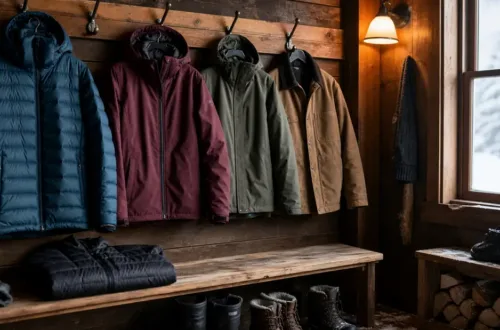
The best base layer for extreme cold should fit close to the skin, manage moisture, and suit the wearer’s expected activity level. It is only the first part of a complete cold-weather system. Midlayers retain additional heat, while a suitable outer shell helps protect against wind, snow, and moisture.
Quick Answer
For a balanced combination of warmth, moisture management, and odor resistance, the Merino.tech 250 GSM Merino Wool Base Layer Set is the most versatile option in this guide. Its midweight merino construction is appropriate for active winter use and extended wear, although it costs more and requires careful laundering.
The Ouruikia Ultra Heavyweight Thermal Set provides thicker synthetic insulation for low-activity outdoor work and other situations where retaining heat matters more than reducing bulk. The Cuddl Duds Heavyweight Fleece Set is the primary women’s option, while the Carhartt Force Midweight Crewneck is better for active work and sweat management than for maximum insulation.
Remember: No base layer listed here is a substitute for an insulating midlayer and weather-resistant outer layer in severe winter conditions.
Base Layer Comparison
| Product | Best For | Material or Weight | Layering Profile | Notable Trade-Off |
|---|---|---|---|---|
| Merino.tech Merino Wool Set | Extended wear and active winter use | 100% merino wool, 250 GSM option | Warm without excessive synthetic fleece bulk | Higher price and careful washing requirements |
| Ouruikia Ultra Heavyweight Set | Stationary work and low-output cold-weather use | 95% polyester and 5% spandex with thick fleece lining | High insulation with a close, stretchy fit | May be too warm and bulky during strenuous activity |
| WEERTI Fleece-Lined Thermal Set | Everyday value and moderate activity | Stretch synthetic fabric with fleece lining | Flexible enough to wear under everyday clothing | Material weight is not specified |
| Men’s Midweight Fleece Thermal Set | Budget-conscious outdoor recreation | 90% polyester and 10% spandex | Stretchy top-and-bottom set for movement | Fleece may retain too much heat during high-output use |
| Cuddl Duds Heavyweight Fleece Set | Women’s everyday layering and winter walks | 235 GSM fleece-brushed fabric | Sleek profile with thumbholes and stretch | Better for general cold than intense aerobic activity |
| Carhartt Force Midweight Crewneck | Active work and moisture management | 170 GSM synthetic fabric with brushed interior | Relatively light and easy to combine with midlayers | Top only and less insulating than heavyweight sets |
How We Chose These Base Layers
These selections were evaluated using the listed fabric composition, fabric weight when available, lining, moisture-management features, stretch, seam design, care requirements, and intended use. Greater emphasis was placed on how each garment might function within a complete layering system rather than on broad warmth claims from product descriptions.
- Moisture management: A useful base layer should move perspiration away from the skin or absorb it without immediately feeling clammy.
- Warmth and bulk: Heavy fleece can help during low-output use, while a less bulky fabric often works better during sustained movement.
- Fit and mobility: Stretch and a close fit help the fabric maintain skin contact without restricting bending, climbing, or working.
- Layering compatibility: The garment should fit beneath an insulating midlayer and shell without bunching or compressing movement.
- Care: Synthetic sets are generally easier to wash, while merino wool needs more attention to laundering and drying.
- Distinct use case: Each recommendation serves a different combination of climate, activity, budget, or fit requirement.
Because manufacturers do not provide comparable laboratory warmth ratings for these products, this guide does not assign specific minimum temperatures. Personal cold tolerance, wind, humidity, exposure time, exertion, and the other layers being worn can all change how warm a base layer feels.
Recommended Base Layers for Extreme Cold
These products are not arranged as a simple warmest-to-coolest ranking. A merino set may be more comfortable for a long hike, while a thick fleece set may make more sense for standing outdoors with limited movement. Compare the material, garment weight, care needs, and expected activity before deciding which option belongs in your winter layering system.
Merino.tech 250 GSM Merino Wool Base Layer Set for Men

The Merino.tech set uses 100% superfine merino wool with a listed fiber diameter of 17.5 microns. The featured version has a 250 GSM fabric weight, placing it between the company’s 165 GSM lightweight and 320 GSM heavyweight options. Merino wool absorbs moisture vapor, breathes across a range of activity levels, and naturally resists odor better than many synthetic fabrics. Those characteristics make this top-and-bottom set particularly useful for winter hiking, travel, camping, or multi-day wear when changing clothes frequently may not be practical. Its midweight construction should fit beneath an insulating fleece or jacket without creating the bulk associated with heavily brushed synthetic thermals.
This set offers the strongest balance in the group for readers who alternate between moving and resting. It is not necessarily the warmest choice for standing still, but its temperature regulation can reduce the cycle of overheating, sweating, and becoming chilled afterward. Merino also differs from fleece-lined polyester in care and durability. The manufacturer recommends hand washing and laying the garments flat to dry, which requires more effort than machine-washable synthetics. Buyers should consult the current size chart and avoid choosing an excessively loose fit, since a base layer works most effectively when it maintains comfortable contact with the skin.
Pros:
- 250 GSM merino wool offers a practical balance of insulation and breathability
- Natural odor resistance supports extended or multi-day wear
- Manages changing activity levels better than very thick fleece
- Top-and-bottom set provides complete next-to-skin coverage
- Available in multiple fabric weights for different layering needs
Cons:
- Costs considerably more than the synthetic sets in this guide
- Hand washing and flat drying require additional care
- May not provide enough insulation by itself during prolonged stationary exposure
The Merino.tech set is a sensible starting point for readers who want one base layer for hiking, travel, snow activities, and general cold-weather wear. Its main advantages are moisture regulation and odor control rather than maximum thickness. Pair it with activity-appropriate insulation and a protective shell, and consider the heavier 320 GSM version when low-output warmth is the greater priority.
Best for: Active winter use, extended wear, travel, and readers who value moisture management over thick fleece insulation.
Ouruikia Men’s Ultra Heavyweight Thermal Underwear Set

The Ouruikia set prioritizes insulation through a thick fleece lining and a fabric blend of 95% polyester and 5% spandex. Four-way stretch helps the top and bottoms follow body movement, while ribbed cuffs reduce gaps around the wrists and ankles. A double-layer open fly adds convenience for outdoor workers or anyone wearing several layers. Based on its substantial construction, this is better suited to low-output situations such as operating equipment, watching winter events, working at an outdoor station, or completing tasks with frequent periods of standing. It should be treated as an insulating base layer rather than protection from wind or precipitation, since the listed construction does not indicate a weatherproof membrane or shell.
Compared with the midweight options, the Ouruikia set places more emphasis on trapping heat and less on low-bulk versatility. That distinction matters when activity rises. Thick fleece can become uncomfortably warm during running, steep hiking, or continuous snow shoveling, and accumulated perspiration may eventually reduce comfort. It may also fit tightly beneath slim pants or fitted workwear. Readers who remain relatively stationary, tend to feel cold, or want a warm synthetic layer at a moderate price may find the added thickness useful. Check garment measurements against the manufacturer’s chart, especially if the set will be worn under close-fitting outer clothing.
Pros:
- Thick fleece lining is designed around high heat retention
- Four-way stretch supports bending and routine work movement
- Ribbed cuffs help limit drafts at common garment openings
- Top-and-bottom set offers more coverage than a base-layer shirt alone
- Open-fly design is practical when wearing multiple winter layers
Cons:
- Likely too warm for sustained high-output exercise
- Thicker construction may feel bulky beneath fitted clothing
- Polyester can develop odor faster than merino during extended wear
This Ouruikia set is the insulation-focused choice among the men’s synthetic options. It makes the most sense when exposure is long and movement is limited, but it requires careful ventilation once activity increases. Wear it beneath an appropriate midlayer and outer shell rather than expecting the fleece fabric to block wind, wet snow, or prolonged moisture exposure.
Best for: Outdoor work, stationary activities, cold-sensitive wearers, and low-output use where warmth takes priority over minimal bulk.
WEERTI Fleece-Lined Thermal Underwear Set for Men

The WEERTI thermal underwear set combines a soft fleece lining with four-way stretch and moisture-wicking synthetic fabric. It is designed to fit beneath everyday winter clothing while allowing a useful range of movement, making it relevant for commuting, errands, casual outdoor tasks, and moderate recreation. The brushed interior adds insulation without the product being described as an ultra-heavyweight set. That middle position may be easier to manage than very thick fleece when a day includes both indoor and outdoor periods. The manufacturer also describes odor-control properties, although synthetic garments generally benefit from regular washing when worn during sweaty activities.
Its appeal comes from versatility and price rather than a documented fabric weight or detailed technical construction. The set can serve as an accessible first layer for readers who do not want to pay for merino wool but still want more warmth than an unlined performance shirt provides. Four-way stretch should help reduce restriction under work pants or snow clothing, provided the correct size is selected. The missing GSM specification makes direct warmth comparisons difficult, however. For prolonged extreme exposure, it should be combined with substantial insulation, and readers who sweat heavily may prefer a lighter, faster-drying layer during strenuous activity.
Pros:
- Fleece lining adds warmth for everyday cold-weather layering
- Four-way stretch supports routine movement and recreation
- Top and bottoms are included at an accessible price
- Moisture-wicking construction is more suitable than cotton for winter use
- Can also function as warm indoor clothing or sleepwear
Cons:
- No fabric weight is supplied for comparison with other thermal sets
- May become too warm during demanding aerobic activity
- Does not provide direct wind or water protection
The WEERTI set provides a useful compromise between lightweight performance underwear and bulkier ultra-heavyweight fleece. It is most appropriate for changing everyday conditions and moderate activity rather than specialized expeditions. Its value depends heavily on fit, so buyers should compare body measurements with the current chart and leave enough room in outer garments to avoid compressing the layers.
Best for: Everyday winter layering, commuting, casual outdoor use, and shoppers seeking a complete fleece-lined set at a moderate cost.
Men’s Midweight Fleece Thermal Underwear Set

This midweight thermal set uses a 90% polyester and 10% spandex blend with a soft fleece interior. The relatively high spandex content and four-way stretch construction are intended to accommodate reaching, squatting, and other active movements. Moisture-wicking fibers, a tagless design, and an elastic waistband add practical comfort for hunting, camping, snow sports, and outdoor chores. It occupies a budget-friendly position for shoppers who need both a shirt and long johns. As with other fleece-lined synthetics, it should fit close enough to move moisture away from the skin without feeling restrictive around the shoulders, waist, knees, or seat.
The set differs from the ultra-heavyweight Ouruikia option by emphasizing midweight mobility rather than maximum fleece thickness. That makes it easier to layer beneath hunting clothing or snow pants and potentially more comfortable during stop-and-start activity. It remains warmer and less breathable than a thin performance layer, so careful venting is important when exertion increases. Polyester dries faster than cotton and is generally straightforward to maintain, but it does not match merino wool’s natural odor resistance. The product information does not provide a GSM weight, limiting precise comparisons with the Merino.tech, Cuddl Duds, and Carhartt garments.
Pros:
- 90% polyester and 10% spandex blend allows substantial stretch
- Fleece lining provides additional insulation for cold conditions
- Moisture-wicking fabric is appropriate for stop-and-start activities
- Tagless construction may reduce next-to-skin irritation
- Complete set is among the lower-cost options in the comparison
Cons:
- Fabric weight is not listed
- Fleece may trap excess heat during running or sustained climbing
- Synthetic fabric may require frequent washing to manage odor
This set is a practical budget option for recreation and outdoor chores where stretch matters. It does not provide the care advantages or odor control of merino, nor the insulation focus of an ultra-heavyweight set. Its middle-ground design is better suited to readers who expect to alternate between moderate movement and periods of rest while wearing additional winter layers.
Best for: Budget-conscious hunting, camping, snow recreation, outdoor chores, and activities requiring a flexible top-and-bottom set.
Cuddl Duds Women’s Heavyweight Fleece Thermal Underwear Set

The Cuddl Duds women’s set uses 235 GSM fabric with a fleece-brushed interior and a smooth exterior. It is heavier than the brand’s lightweight active base layer and is designed for cold-weather layering, winter walks, errands, and indoor lounging. Stretch fabric supports movement, while thumbholes help keep the sleeves positioned when another garment is pulled over the top. The leggings have a modern-rise waistband, and the tag-free construction reduces a common source of irritation. The manufacturer also lists moisture-wicking, breathable fabric technology and UPF 50+ protection, although sun protection does not replace the need for insulation or a weather-resistant shell.
This is the clearest women’s-specific option in the comparison and offers a documented fabric weight that makes its intended warmth level easier to understand. Its smooth outer surface should slide beneath other clothing more easily than a bulky exterior fleece, while the brushed inner face retains warmth next to the body. The set appears most useful for low-to-moderate activity rather than running or demanding uphill travel. A 235 GSM fleece-brushed synthetic can hold more heat than an active user needs, particularly beneath insulated pants. Buyers should check the current size chart and consider the fit of both pieces rather than assuming one size will suit every torso and leg proportion.
Pros:
- 235 GSM construction provides a clear indication of heavyweight design
- Brushed interior adds warmth and next-to-skin softness
- Stretch fabric and thumbholes support practical layering
- Tag-free design helps reduce irritation during long wear
- Smooth exterior can fit more easily beneath pants and tops
Cons:
- May feel too warm during sustained aerobic activity
- Modern-rise waistband may not suit every fit preference
- Provides no stand-alone protection from wind or precipitation
The Cuddl Duds set combines substantial fleece-backed warmth with details suited to daily wear. It is a stronger match for walking, commuting, outdoor events, and mixed indoor-outdoor days than for high-output winter sports. The relatively sleek shape also makes it useful when the wearer wants heavyweight warmth without an especially loose or bulky base layer.
Best for: Women seeking a heavyweight set for everyday layering, winter walks, commuting, outdoor events, and low-to-moderate activity.
Carhartt Men’s Force Midweight Stretch Base Layer Crewneck
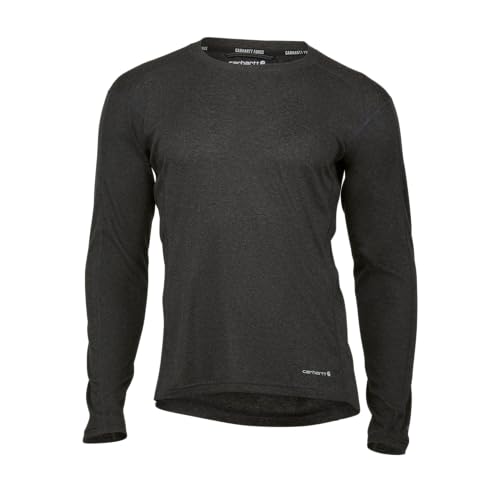
The Carhartt Force Crewneck is a 170 GSM midweight base-layer shirt with a brushed interior, sweat-wicking FastDry construction, odor resistance, and stretch. Flatlock seams are positioned to reduce chafing, while concealed thumb loops help hold the sleeves in place beneath work clothing. At 170 GSM, it is lighter than the 235 GSM Cuddl Duds set and the featured 250 GSM Merino.tech set. Its focus is therefore moisture management and mobility rather than the highest possible insulation. The design appears particularly suitable for physical work, snow clearing, equipment maintenance, and other activities where the wearer produces significant body heat.
This crewneck serves a different purpose from the complete fleece-lined sets. It gives active workers a less bulky next-to-skin layer that can be combined with a separate bottom, an insulating midlayer, and work jacket. That modular approach can make temperature control easier across changing tasks. The trade-off is that the listing includes only the shirt, so shoppers must purchase compatible base-layer bottoms separately. A 170 GSM top should not be treated as sufficient protection during stationary exposure to extreme cold. Its value is strongest for readers who need sweat to move away from the skin before adding warmer layers above it.
Pros:
- 170 GSM fabric supports active layering without excessive bulk
- FastDry construction is designed to wick sweat and dry quickly
- Flatlock seams help reduce friction during repetitive movement
- Concealed thumb loops keep sleeves positioned under other garments
- Brushed interior adds some warmth without an ultra-thick fleece lining
Cons:
- Includes only the crewneck top, not matching bottoms
- Less insulating than heavyweight fleece options
- Requires substantial additional layers during low-output extreme cold
The Carhartt crewneck is the activity-focused choice in this group. It makes sense as the moisture-managing foundation of a workwear system, particularly when exertion changes throughout the day. Readers who spend long periods standing should choose heavier insulation or add a substantial midlayer, while those who work continuously may appreciate its lighter weight and reduced bulk.
Best for: Active outdoor work, snow clearing, changing exertion levels, and readers who prefer a modular layering system.
How to Choose a Base Layer for Extreme Cold
Start With Activity Level, Not Thickness
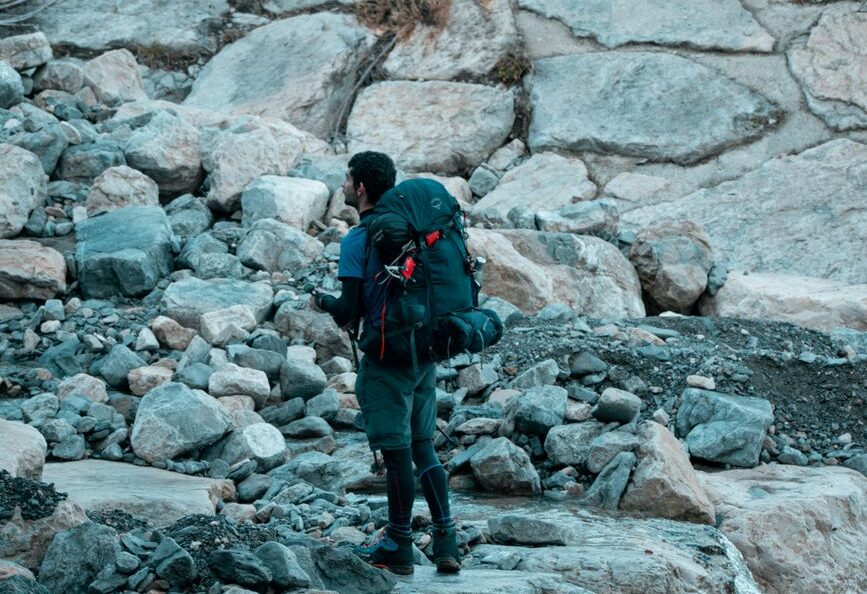
Body heat production changes dramatically with activity. Someone operating machinery or watching an outdoor event may need a thick, fleece-lined base layer because the body is producing relatively little heat. A person skiing uphill, carrying equipment, or clearing snow can overheat in the same garment.
Use these general activity categories when comparing options:
- Low output: Standing, sitting, operating equipment, watching events, or slow walking. A heavyweight synthetic or heavier merino layer may be appropriate.
- Moderate output: Outdoor work with pauses, recreational walking, hunting, or casual snow activities. Midweight merino or flexible fleece-lined synthetics can provide a useful balance.
- High output: Running, steep hiking, cross-country skiing, or intensive snow clearing. Prioritize fast drying, breathability, and reduced bulk, then adjust warmth with removable midlayers.
Merino Wool Versus Synthetic Fabric
Merino wool and synthetic fabric can both function well in cold conditions, but they solve different problems.
| Factor | Merino Wool | Synthetic Fabric |
|---|---|---|
| Odor control | Naturally resists odor, useful for extended wear | Usually needs more frequent washing |
| Moisture behavior | Absorbs moisture vapor while remaining comfortable across changing conditions | Typically wicks liquid sweat and dries relatively quickly |
| Durability | Can be more vulnerable to abrasion and improper laundering | Generally handles frequent use and washing well |
| Care | May require gentle washing and flat drying | Often easier to launder, subject to label instructions |
| Cost | Usually more expensive | Available across a wider range of budget levels |
| Warmth and bulk | Offers useful warmth without requiring thick fleece | Varies widely; fleece-lined versions can be warm but bulky |
Cotton is generally a poor choice for prolonged cold exposure. It absorbs perspiration, dries slowly, and can remain damp against the skin. That moisture can accelerate cooling when activity stops.
Understand Fabric Weight
Fabric weight is often expressed in grams per square meter, or GSM. A higher number generally indicates a more substantial fabric, but it is not a universal warmth rating. Knit structure, fiber type, lining, fit, moisture, and air movement also affect performance.
- Lightweight: Commonly selected for high-output movement or mild conditions.
- Midweight: A versatile category for moderate activity and layered cold-weather use.
- Heavyweight: Better suited to lower activity, cold-sensitive wearers, or situations requiring more insulation.
Do not compare GSM numbers as if merino wool and fleece-lined polyester were identical materials. A lower-weight synthetic performance layer may dry faster, while a higher-weight brushed layer may trap more still air and feel warmer during rest.
Look for a Close but Unrestrictive Fit
A base layer needs enough contact with the body to collect and move moisture. Loose fabric creates gaps and can bunch beneath outer clothing. Excessively tight garments may restrict circulation or movement, and compressed fleece cannot trap as much insulating air.
Check the manufacturer’s size chart rather than relying only on a familiar letter size. Pay particular attention to chest, waist, hip, inseam, and sleeve measurements. If the top and bottoms are sold as a set, confirm that the same size is workable for both parts of the body.
Consider the Entire Layering System
A reliable extreme-cold clothing system normally includes three functional layers:
- Base layer: Manages moisture and provides light-to-substantial next-to-skin insulation.
- Midlayer: Traps additional warm air. Depending on conditions, this may be fleece, wool, synthetic insulation, or down protected from moisture.
- Outer layer: Limits heat loss from wind and helps manage snow or precipitation. Weather protection should match the actual conditions and activity.
Adding layers only works when the garments do not become so tight that they restrict circulation or compress insulation. Boots, gloves, and outer pants also need enough room for the selected base layers.
Account for Wind and Wet Conditions
Thermal underwear is not inherently windproof or waterproof. Even a thick fleece lining can lose effectiveness when wind passes through the clothing system. Wet snow, rain, or perspiration can create additional heat loss.
Choose the outer shell separately based on exposure. A breathable wind-resistant layer may be sufficient in dry conditions, while wet snow or freezing rain calls for stronger moisture protection. Ventilation remains important, especially when using a waterproof shell during active movement.
Check Seams, Cuffs, and Waistbands
Small construction details become more noticeable during long wear. Flat seams can reduce rubbing beneath backpack straps or work gear. Thumb loops help prevent sleeves from sliding upward, while ribbed cuffs limit gaps at the wrists and ankles. A waistband should remain secure without digging into the skin when layered beneath pants.
Tagless labels may reduce irritation, but seam placement and fabric stretch usually have a greater effect on mobility. Inspect product measurements and construction details rather than choosing solely by softness.
Plan for Care and Rotation
Follow the garment’s care label because heat and agitation can damage stretch fibers or shrink wool. The Merino.tech set specifically calls for hand washing and flat drying. Synthetic sets may be easier to maintain, but fabric softener can interfere with moisture-wicking performance on some technical fabrics.
Allow every base layer to dry fully before wearing it again. For multi-day outdoor use, carrying a dry spare can be more valuable than relying on one extremely thick set. A separate sleep layer also prevents accumulated daytime moisture from entering a sleeping system.
Common Base Layer Mistakes
Choosing the Warmest Layer for Every Activity
Extra insulation can create excess perspiration during movement. Once activity slows, damp clothing may leave the wearer colder. Select warmth according to expected exertion and use removable midlayers to make larger adjustments.
Wearing Cotton Under a Technical Base Layer
A cotton undershirt between the skin and a moisture-wicking garment prevents the technical fabric from doing its job. The base layer should normally be worn directly against the skin unless medical, sensory, or other personal needs require a different arrangement.
Assuming a Base Layer Blocks Wind
Base layers manage conditions next to the skin. They generally do not replace a wind-resistant or waterproof outer garment. Strong wind can remove body heat rapidly through permeable fleece and knit fabrics.
Ignoring Signs of Overheating
Open vents, remove a hat briefly when safe, slow the pace, or take off a midlayer before clothing becomes saturated. It is easier to prevent excessive sweating than to dry several damp layers in severe cold.
Buying an Oversized Fit for Comfort
A very loose thermal layer may feel comfortable indoors but manage moisture poorly outside. Choose a close fit that allows full movement, then create additional room for insulation in the midlayer and outer clothing.
Using Damp Thermals for a Second Day
Even when a garment does not feel wet, retained moisture can reduce comfort and insulation. Dry it thoroughly, rotate to a second set, and keep an emergency layer protected in a waterproof bag during remote activities.
Frequently Asked Questions
What is the best base layer material for extreme cold?
There is no single material for every situation. Midweight or heavyweight merino wool works well for changing activity levels, extended wear, and odor control. Fleece-lined polyester can provide more affordable insulation for stationary or low-output use. Lighter synthetic performance fabric is often preferable during strenuous work because it dries quickly and fits easily beneath removable insulation.
Should a base layer be tight?
It should be close-fitting rather than compressive. The fabric needs contact with the skin to manage moisture, but it should not restrict breathing, bending, circulation, or joint movement. Wrinkles and large air gaps can indicate a fit that is too loose, while stretched seams or numbness suggest it is too tight.
Is a heavyweight base layer always warmer?
A heavyweight garment usually provides more insulation than a lighter version made with similar materials and construction. It is not automatically warmer in every real-world situation. If it causes heavy sweating during activity, moisture can make the wearer feel colder later. Wind protection and midlayer insulation also have a major effect on total warmth.
Is merino wool worth the higher price?
Merino may justify its price for multi-day travel, hiking, camping, and users who value odor resistance and broad temperature regulation. Synthetic fabric is usually more economical and may tolerate frequent washing or abrasive work better. The better value depends on care habits, frequency of use, and activity.
Can fleece-lined thermals be used for skiing?
They can work for recreational downhill skiing when paired with suitable insulation and weather protection, especially for people who tend to feel cold. During touring, cross-country skiing, or other high-output snow sports, thick fleece may cause overheating. A lighter moisture-wicking base layer is often easier to regulate during sustained exertion.
How many base layers are needed for an extreme-cold trip?
At least one dry backup is prudent for remote or multi-day trips. The exact number depends on trip length, access to drying facilities, activity, and fabric. Merino can often be worn longer before developing odor, but it still needs time to dry after becoming wet.
Can two base layers be worn together?
They can, but stacking two tight base layers may restrict movement and manage moisture less effectively than one base layer under a proper insulating midlayer. If two are used, the inner garment should move moisture efficiently, and the outer one should fit without compression or bunching. Monitor comfort and perspiration closely.
Does thermal underwear have a safe temperature rating?
Most thermal underwear does not have a standardized temperature rating. Warmth depends on the complete clothing system, wind, moisture, activity, exposure time, health, circulation, and individual cold tolerance. Avoid relying on unsupported temperature claims when planning for hazardous conditions.
What should be worn over a base layer in extreme cold?
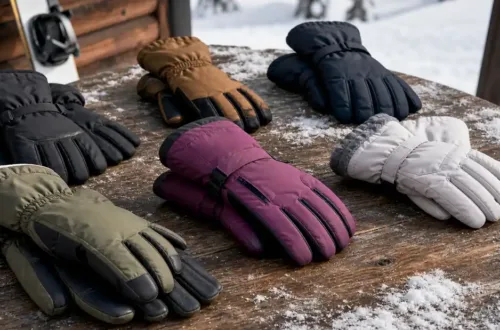
Add an insulating midlayer selected for the activity, followed by an outer layer that addresses wind and precipitation. Legs may need fleece pants or insulated pants beneath a protective shell. Hands, feet, head, face, and neck also require appropriate coverage, since a warm torso base layer does not protect exposed areas.
How can overheating be prevented?
Begin slightly cool rather than heavily bundled for strenuous activity. Use zippers and vents, remove a midlayer before sweating becomes excessive, and reduce effort when necessary. Replace a damp base layer promptly if conditions allow. Do not remove so much protection that skin becomes exposed to dangerous wind or cold.
Final Recommendations
The Merino.tech 250 GSM set offers the most adaptable material for readers moving between activity and rest, particularly during extended wear. Choose the Ouruikia Ultra Heavyweight set when stationary warmth and thick synthetic fleece are the priorities. The WEERTI and Men’s Midweight Fleece sets provide lower-cost alternatives for everyday use and moderate recreation.
For women seeking a substantial everyday layer, the Cuddl Duds 235 GSM set combines a fleece-brushed interior with a relatively sleek layering profile. Active workers who generate considerable heat should consider the lighter Carhartt Force Crewneck, while remembering that it includes only the top and requires additional insulation in severe conditions.
Match the base layer to exertion first, then build the rest of the clothing system around wind, moisture, and exposure time. Keeping skin dry, maintaining circulation, and carrying a dry backup layer are usually more important than selecting the thickest thermal underwear available.