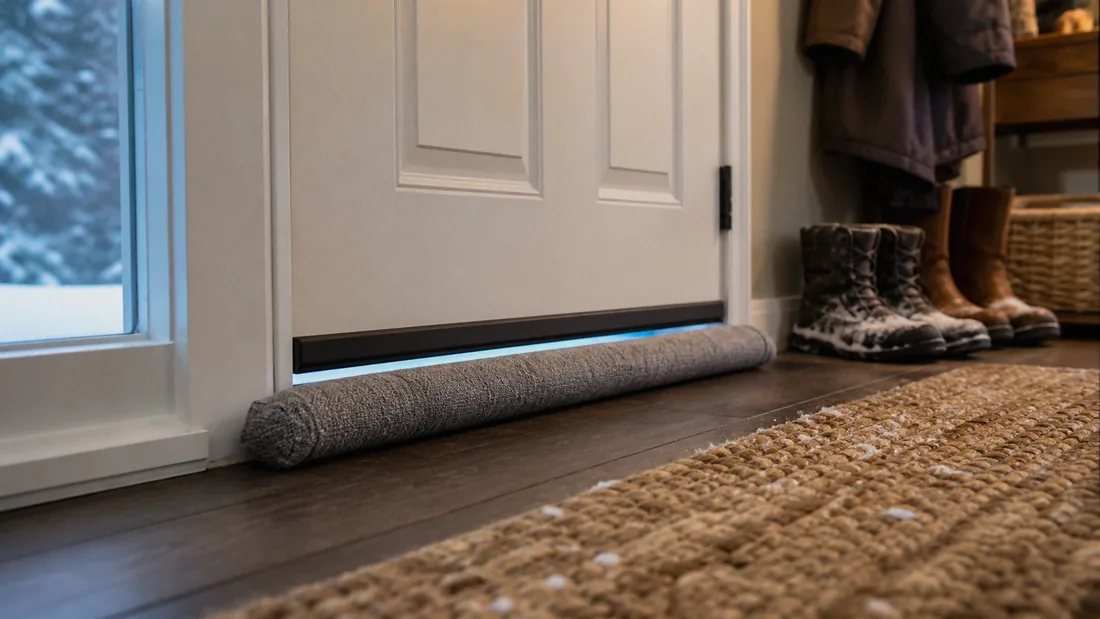
Cold air usually finds the smallest opening first. That is why a good door seal for winter is less about one universal product and more about matching the seal style to the gap you need to close. Some homes need an under-door sweep for the bottom gap, while others need foam or silicone tape along the frame side. The right choice depends on the size of the opening, the type of door, and whether you also want help with noise, dust, or light.
Quick Answer
The best door seal for winter depends on where the draft is coming from. For bottom gaps, under-door sweeps are usually the most practical choice. For side and frame gaps, adhesive weather stripping works better. If you want a simple, low-cost fix for a standard interior or exterior door, the options below cover the most common winter sealing needs without mixing in unnecessary features.
| Product | Seal Type | Best Use | Main Strength |
|---|---|---|---|
| HomeProtect Door Draft Stopper | Under-door seal | Budget-friendly winter drafts | Simple, low-cost gap blocking |
| Vellure Door Draft Stopper | Under-door seal | Quick adhesive installation | Fast setup with strong grip |
| GroTheory 2 Pack Door Draft Stopper | Under-door seal | Multiple doors or spare strips | Good value in a two-pack |
| Ormein Door Draft Stopper | Under-door seal | Drafts with noise reduction | Flexible silicone with broad gap coverage |
| MAXTID Twin Door Draft Blocker | Double-sided under-door seal | Bedroom and apartment doors | Better coverage for wider bottom gaps |
| Benory 20Ft T-Shaped Silicone Weather Stripping Seal | Side and bottom gap tape | Frame edges and mixed gap sealing | Works on door sides and bottoms |
| V Shape Thin Foam Weather Stripping Door Frame Seal Strip | Frame weather stripping | Small to medium frame gaps | Flexible foam profile for narrow gaps |
| Updated Weather Stripping Door Seal | Silicone adhesive tape | General sealing on doors and windows | Wide gap range and simple installation |
| Holikme Garage Door Bottom Seal | Garage door track seal | Garage doors in winter weather | Heavy-duty EPDM rubber for larger openings |
These picks are not ranked as a one-size-fits-all list. They are chosen to cover different sealing jobs, from narrow frame gaps to large bottom drafts and garage doors. The most useful product for your home depends on where the air is getting in and how much installation effort you want to take on.
Our Top Picks
HomeProtect Door Draft Stopper

This under-door draft stopper is aimed at a very common winter problem, the gap at the bottom of an interior or exterior door. It uses a straightforward adhesive-backed design and a soft, insulating body to reduce cold air, light, and some noise from passing through. The format is easy to understand and easy to fit, which makes it a practical option for apartments, bedrooms, and homes where the threshold gap is noticeable but not extreme.
What makes it worth considering is the balance between price and usefulness. It is not trying to do everything, but it does cover the basics well for a low-cost seal. The single-sided design should appeal to shoppers who want a simpler installation and do not need a heavier double-sided blocker. It is also a reasonable choice if you want to try a door seal before spending more on a premium model. Like most adhesive products, it works best when the door surface is clean and dry.
Pros:
- Low-cost option for basic winter draft control
- Easy to size and install with a peel-and-stick approach
- Can help block light, corridor noise, and cold air
- Works well for standard door bottoms with moderate gaps
- Useful for apartments, dorms, and quick home updates
Cons:
- Single-sided design is not as complete as double-sided blockers
- Adhesion may need extra care in cold weather
This is a sensible pick if you want a simple winter seal that handles the most common under-door draft without pushing the budget up. It is best treated as a practical fix for a specific problem rather than a heavy-duty weatherproofing system.
Best for: Budget-minded shoppers who need a basic under-door seal for a bedroom, apartment, or interior door.
Vellure® Door Draft Stopper

The Vellure door draft stopper is another bottom-of-door seal, but it uses a more polished silicone build and a strong adhesive strip. That combination makes it a good fit for readers who want a cleaner installation and a more durable feel than the cheapest foam-style options. At 39 inches long, it is sized for standard doors and can be trimmed if needed, which helps when the fit needs to be adjusted to the exact width of the slab.
It stands out because it aims for easy installation without feeling disposable. The silicone material should hold up better than softer foam in day-to-day use, especially on doors that open and close often. The 3D chamber design also gives it a bit more substance when the goal is not only stopping drafts, but also cutting down some ambient noise. For homeowners who want a straightforward seal with a slightly more refined finish, this is a strong middle-ground choice.
Pros:
- Durable silicone construction
- Strong adhesive for quick installation
- Can help reduce drafts, light, dust, and some noise
- Trim-to-fit design suits standard doors
- Cleaner look than many basic draft stoppers
Cons:
- Adhesive products still depend on proper surface prep
- Not designed for highly irregular gaps
This is a practical step up from the most basic under-door seals. If you want something that looks tidier and should handle regular use a little better, the Vellure model is a sensible choice.
Best for: Homeowners who want a durable under-door seal with quick installation and a clean look.
GroTheory 2 Pack Door Draft Stopper

This GroTheory set is useful when you want to seal more than one door or keep a spare strip on hand. The silicone body is flexible, and the triple-profile design is meant to help block bottom drafts while also reducing dust and noise. Because it comes as a two-pack, it has a value angle that single-strip products do not. That makes it especially relevant for homes with multiple drafty doors, such as a bedroom and a basement or garage entry.
It deserves a place on the list because it solves the same problem as similar under-door seals but with a little more flexibility for the buyer. If one door needs the strip now and another one later, the second piece is already there. It is also a reasonable choice for people who want a simple adhesive seal without moving up to a more expensive double-sided blocker. The trade-off is that it remains a surface-applied product, so the quality of the bond still depends on clean installation.
Pros:
- Two-pack adds value for multi-door homes
- Flexible silicone material should bend without damaging flooring
- Triple-profile design helps with drafts, dust, and noise
- Easy to cut and install on common door types
- Useful for backup replacement if one strip wears out
Cons:
- Still depends on adhesive quality and good prep
- Not as complete as a double-sided draft blocker
If you want a practical, low-friction solution for more than one opening, this two-pack is a good value. It is best when you want flexibility and basic winter sealing without overcomplicating the job.
Best for: Shoppers sealing multiple doors or anyone who wants a spare strip for later use.
Ormein Door Draft Stopper

The Ormein draft stopper is a flexible silicone seal with a longer 39-inch profile and a wider adhesive backing than some simpler strips. That combination makes it useful for doors with more noticeable gaps, especially where the floor is not perfectly even. It is designed to help with airflow, but it also aims to soften sound and prevent small gaps from letting in dust or pests. For winter use, that broader sealing approach can be helpful in bedrooms, offices, and utility spaces.
This model is a good example of a product that focuses on everyday usability rather than fancy extras. The flexible body should make it easier to adapt to slightly uneven floors, and the adhesive width is a practical detail for long-term attachment. Compared with lighter foam-based seals, it may offer a more substantial feel and better resistance to daily wear. The main caution is that textured or rough surfaces can make any adhesive strip less reliable, so installation matters here as much as the product itself.
Pros:
- Flexible silicone construction for better floor contact
- Wide adhesive backing supports steadier attachment
- Can help with drafts, sound, dust, and small pests
- Suitable for several door and room types
- Works well where the floor is slightly uneven
Cons:
- Adhesive may struggle on rough or textured surfaces
- Needs careful measuring before cutting
This is a sensible option if you need a flexible seal that feels a little more robust than the lightest-duty choices. It makes the most sense when the draft problem is ongoing, not just occasional.
Best for: Rooms that need a flexible under-door seal with help against both cold air and noise.
MAXTID Twin Door Draft Blocker

The MAXTID Twin Door Draft Blocker is built for standard interior doors between 30 and 36 inches, which makes it a useful fit for many bedrooms and apartment layouts. Its double-sided structure is intended to seal both sides of the door bottom, helping block drafts, light, smoke, and noise more thoroughly than a single-sided strip. Because it is made for common interior door sizes, it solves a very specific problem in a way many generic seals do not.
It earns a spot here because the twin design gives it a functional advantage for rooms where you want a tighter seal and a more finished look. That is especially relevant in sleeping spaces, where light and corridor noise can matter as much as cold air. The brown color may also blend in more easily than bright white seals in certain interiors. The main limitation is that it is aimed at interior doors, so readers needing a garage or exterior threshold solution should look elsewhere.
Pros:
- Double-sided design improves bottom-gap coverage
- Adjusts to common 30 to 36 inch interior doors
- Helps reduce drafts, light, smoke, and noise
- Blends more naturally with some bedroom decor
- Good fit for apartment and bedroom use
Cons:
- Best suited to interior doors, not all exterior applications
- Higher price than some basic under-door strips
If you want stronger bottom-door coverage in a sleeping area or apartment, this is a practical upgrade. It is less about low cost and more about getting a more complete seal on the right type of door.
Best for: Bedrooms, apartments, and interior doors that need stronger draft and light blocking.
Benory 20Ft T-Shaped Silicone Weather Stripping Seal

The Benory seal is a more versatile option because it is designed for side gaps as well as bottom edges. The T-shaped profile and dual-sided adhesive are meant to create a tighter bond along the door gap, which can be helpful when cold air is slipping in around the frame instead of just under the slab. Its silicone construction also makes it a more flexible all-season choice, especially in homes where temperatures change a lot over the course of the year.
This product stands out for readers who are not sure whether they need bottom sealing, side sealing, or both. Instead of focusing on one narrow job, it gives you a broader weatherstripping approach that can help with drafts, noise, dust, pollen, and minor insect entry. That wider use case makes it more adaptable than a basic door sweep. The trade-off is that it may take a little more attention to measure and position correctly, since the profile needs to match the gap rather than simply sit beneath the door.
Pros:
- Works on side gaps and some bottom gaps
- Dual-sided adhesive helps hold the strip in place
- Silicone build is flexible and weather resistant
- Can help with drafts, noise, dust, and pests
- Good all-season sealing option
Cons:
- Requires careful placement for best results
- Not as simple as an under-door sweep for beginners
This is a practical choice when the problem is around the door frame rather than only the floor line. It works well for shoppers who want a broader sealing solution and are willing to spend a little more time on installation.
Best for: Doors with side-gap drafts, mixed sealing needs, or homes that want one strip to handle more than one type of opening.
V Shape Thin Foam Weather Stripping Door Frame Seal Strip
This foam weather stripping is built for narrow frame gaps rather than large openings. The V-shaped profile is meant to flex into place along the door contour, which can help close the kind of small winter gaps that let in a steady draft even when the door seems closed properly. Because it is lightweight, cuttable, and self-adhesive, it is a straightforward fix for doors and windows that need perimeter sealing instead of a bottom sweep.
It deserves consideration because it fills a different role from the under-door products in this guide. If your main issue is air sneaking around the sides or top of a door, a frame strip like this may do more good than a bottom blocker. The materials are built with low-temperature use in mind, which matters in colder climates where some adhesives become less dependable. The main drawback is that it only fits a specific gap range, so measuring first is important before buying.
Pros:
- Good for narrow frame gaps around doors or windows
- Flexible V-shaped profile can adapt to contours
- Cut-to-fit length makes installation easier
- Helps with wind, dust, noise, and thermal loss
- Useful in colder weather when frame sealing matters
Cons:
- Only suitable for relatively small gaps
- Foam creasing after packaging may look messy before installation
If your draft problem is coming from the frame rather than the bottom of the door, this strip is a better match than an under-door seal. It is a practical option for careful DIY sealing of narrow openings.
Best for: Narrow side-gap sealing on front doors, patio doors, and similar frames.
Updated Weather Stripping Door Seal

This silicone seal strip is designed as a general-purpose weatherstripping option for doors, windows, and shower areas. It can be cut to length and applied along a gap range that covers many common household needs, which makes it a flexible choice for people who want to seal more than one area in a home. Its clear purpose is to stop drafts and reduce air leakage without requiring hardware, screws, or specialized tools.
It fits into this list because it is one of the more versatile adhesive seals available for winter use. The waterproof silicone material gives it more staying power than simple foam in wet or humid areas, and the broad gap coverage makes it useful for readers who are not dealing with just one exact door type. That said, it is still a tape-style solution. If the threshold gap is large or the door is badly misaligned, a dedicated sweep may do a better job.
Pros:
- Wide range of everyday sealing uses
- Flexible silicone resists moisture better than basic foam
- Can help with draft, dust, and sound control
- Simple cut-and-stick installation
- Useful for doors, windows, and some shower applications
Cons:
- Less effective for large bottom-door gaps
- Needs a clean, dry surface for best adhesion
This is a practical choice for general sealing work when you want one strip that can handle several small winter-related gaps. It makes the most sense for readers who need versatility more than a specialized door-bottom product.
Best for: General-purpose sealing on doors and windows where a flexible adhesive strip is more useful than a hardware-style sweep.
Holikme Garage Door Bottom Seal

The Holikme garage door bottom seal is a different kind of winter sealing product because it is built for a much larger opening and a much harsher environment. Instead of a simple adhesive strip, it uses EPDM rubber and a T-end track replacement design to help close the gap at the base of a garage door. That makes it relevant for readers who need to block cold wind, rain, leaves, and debris from getting under the garage door.
This is the right kind of product when the garage is part of the problem, not just the living space. Compared with household door sweeps, it is more durable and more specialized. The rubber material should be better suited to temperature swings and daily door movement, and the included end plugs help improve the seal at the sides of the track. The main trade-off is installation effort. It is more involved than a peel-and-stick strip, so shoppers should expect a more hands-on DIY job.
Pros:
- Built for garage doors and larger threshold gaps
- Durable EPDM rubber for cold-weather use
- Helps block rain, drafts, leaves, and debris
- Track-style fit can be more secure than adhesive strips
- Good long-term replacement for worn garage seals
Cons:
- More complex installation than simple adhesive seals
- Only useful for compatible garage door tracks
If your winter sealing problem is at the garage door, this is the most appropriate product in the group. It is a specialized fix, but that is exactly what garage openings usually require.
Best for: Homeowners replacing a worn garage door bottom seal or trying to stop winter air and moisture at the garage threshold.
Buying Guide
Choosing the best door seal for winter starts with identifying the gap type. Bottom gaps usually call for an under-door sweep or draft blocker. Side gaps and frame leaks are better handled by adhesive weather stripping. Garage doors need a more specialized track seal. Matching the product to the opening matters more than choosing the thickest or most expensive option.
How to choose the right style
- Under-door seals: Best for cold air entering beneath a standard door.
- Frame seals: Better when drafts come around the sides or top of the door.
- Garage seals: Designed for larger, heavier door systems and track-style installation.
- Foam strips: Usually easiest for small to medium gaps.
- Silicone seals: Often last longer and handle wear better, though they may cost more.
What to check before buying
- Gap size: Measure carefully before choosing a strip or sweep.
- Door type: Interior, exterior, bedroom, or garage doors need different seals.
- Surface condition: Adhesives stick better to clean, dry, smooth surfaces.
- Climate: Cold weather can make installation harder, so warming the backing may help.
- Secondary needs: Noise, light, dust, and pest control can influence the right style.
Installation tips that matter
Even a good seal can underperform if it is installed poorly. Clean the door and frame before attaching adhesive products. Measure twice, cut once, and press the strip firmly into place. In colder weather, some adhesive-backed seals bond better if the backing is warmed briefly with a hair dryer. After installation, give the adhesive time to settle before opening and closing the door repeatedly.
Frequently Asked Questions
What type of seal works best for a door bottom?
For the bottom of a door, an under-door draft stopper or sweep is usually the most effective choice. It covers the gap directly and is designed for that specific job.
Should I use foam or silicone weather stripping?
Foam is usually lighter and less expensive. Silicone is generally more durable and flexible. If you want a longer-lasting seal and expect more daily wear, silicone is often the better option.
Can one product seal both the frame and the bottom of the door?
Some products can help with both, but most work better in one area than the other. Frame strips are for edge gaps, while door sweeps are for the bottom gap. If both areas leak, you may need two products.
Why does my adhesive strip fail in winter?
Cold temperatures can reduce adhesion, especially on dusty or textured surfaces. Warming the adhesive backing and cleaning the surface first can improve the bond.
Do these seals also help with noise?
Many do. They are primarily meant to stop drafts, but closing the gap can also reduce hallway noise, light leakage, and some dust entry.
Conclusion
If your problem is a cold draft under the door, start with a door sweep or draft blocker. If air is leaking around the frame, choose a foam or silicone weather strip instead. Garage doors need a different kind of seal altogether. The most useful product is the one that matches the gap, fits the surface, and installs cleanly enough to stay in place through winter.