Insulated pants can make winter hiking, outdoor work, and snow sports more comfortable, but warmth alone does not determine whether a pair will work well. Heavy insulation can trap too much heat during an active climb, while a thin lining may be inadequate for long periods of standing. Shell construction, mobility, fit, and protection from wind and moisture matter just as much.
The six options below are fleece-lined softshell pants rather than bulky, heavily insulated snow bibs. That makes them most relevant to men who want a balance of warmth and movement for hiking, shoveling, outdoor work, travel, hunting, or recreational snow activities. Their weather protection varies, so buyers should distinguish between water-resistant fabric suited to light precipitation and technical waterproof construction intended for prolonged wet conditions.
Quick Answer
The best insulated pants for men depend on the activity and expected weather. The Postropaky Hiking Snow Pants offer an accessible combination of fleece warmth, articulated knees, zippered ankles, and secure storage. The Moosehill Fleece-Lined Cargo Pants are better suited to buyers who prioritize pocket capacity, reflective details, and an athletic fit. For boots and changing snow conditions, the Rdruko Snow Pants provide adjustable ankle buckles and a useful equipment D-ring.
All six recommendations use fleece-lined stretch softshell construction. They should provide more warmth than ordinary hiking or work pants without the bulk of traditional snow pants. However, none has a clearly documented technical waterproof rating, seam-sealing specification, or supported temperature range. For prolonged rain, deep powder, or severe cold, a waterproof shell, thermal base layer, or more substantial snow pant may still be necessary.
Insulated Pants Comparison
| Product | Best For | Warmth and Material | Weather Protection | Fit and Layering | Notable Trade-Off |
|---|---|---|---|---|---|
| Postropaky Hiking Snow Pants | Versatile winter recreation | Fleece-lined stretch softshell | Coated exterior for wind and moisture | Elastic side panels and articulated knees | Technical waterproof rating is not listed |
| BASUDAM Utility Work Pants | Outdoor work and active movement | Moisture-managing fleece lining | Protective softshell exterior | Pleated articulated knees | No ankle adjustment for sealing around boots |
| Moosehill Fleece-Lined Cargo Pants | Storage and low-light use | Brushed fleece with polyester-spandex shell | Water-repellent protection for light precipitation | Athletic cut with four-way stretch | Trim styling may leave less room for thick layers |
| Gash Hao Snow Ski Pants | Wearing with winter boots | Granule fleece and polyester softshell | Wind-blocking construction and short-term rain protection | Stretch waist with zippered ankles | Not intended for prolonged exposure to rain |
| TBMPOY Insulated Softshell Pants | Everyday utility and pocket capacity | Fleece-lined insulated softshell | Designed to resist wind and moisture | Partially adjustable waistband | Belt is not included, and ankle openings are not adjustable |
| Rdruko Insulated Snow Pants | Adjustable boot coverage | Fleece-lined stretch softshell | Wind-resistant and moisture-protective design | Elastic waist, articulated knees, and ankle buckles | Foot buckles are less convenient for casual indoor wear |
How We Chose These Insulated Pants
These recommendations were evaluated using the supplied manufacturer descriptions, including fabric construction, lining, weather protection, mobility features, pocket design, and adjustment points. No unsupported temperature ratings or first-hand performance claims were used. Because softshell pants occupy a middle ground between regular trousers and technical snow shells, particular attention was given to how well each design balances warmth with movement.
- Warmth: All selected pants use fleece or brushed-fleece linings to retain body heat.
- Mobility: Stretch fabric, articulated knees, and flexible waist panels received priority for hiking and outdoor work.
- Weather protection: Wind resistance and protection against light rain or snow were considered, but manufacturer waterproof claims were treated cautiously when no laboratory rating was supplied.
- Boot compatibility: Zippered or adjustable leg openings can make insulated pants easier to wear over winter footwear.
- Storage: Secure zippered pockets are useful when bending, climbing, working, or moving through snow.
- Layering: Fit and waistband construction were assessed for their likely compatibility with a thermal base layer.
- Intended use: Each pair was assigned a practical role rather than ranked solely by warmth or price.
Our Top Picks
These six products serve somewhat different needs and should not be read as a simple ranking from first to last. Some emphasize boot coverage, while others prioritize storage, freedom of movement, or a less bulky appearance. Compare the weather protection, fit, and adjustment features with your usual activity level and layering plan before choosing.
Postropaky Men’s Hiking Snow Pants

The Postropaky pants combine a fleece interior with a stretch softshell exterior treated to repel moisture and block cold air. Their articulated knees support hiking, crouching, and other active movement, while elastic panels at the sides of the mid-rise waist provide some flexibility in the fit. Four zippered pockets keep small belongings contained during activity. Zippers at the lower legs make it easier to pull the pants over ski or winter boots and help reduce exposed gaps around the ankles. Based on this construction, they appear best suited to recreational winter use, including hiking, snow clearing, travel, and occasional snow sports in moderate conditions.
This pair offers one of the more balanced feature sets in the group. It combines boot-friendly ankle openings with secure storage and ripstop-style fabric intended to resist scratches and tears. The fleece supplies moderate insulation without creating the bulk associated with heavily padded ski pants. That balance will appeal to active users, although the coating should not be assumed to replace a seam-sealed rain or ski shell in sustained wet weather. Buyers should consult the product-specific size chart, particularly if they plan to wear thermal leggings underneath.
Pros:
- Fleece lining adds warmth without heavy synthetic padding
- Articulated knees and stretch fabric support active movement
- Zippered leg openings work more easily with winter boots
- Four zippered pockets provide secure storage
- Ripstop-style exterior is designed for rough outdoor use
Cons:
- No technical waterproof or breathability rating is provided
- Fleece may become warm during sustained, high-output activity
- Fit should be checked carefully if adding a thick base layer
The Postropaky pants are a practical middle-ground option for men who want more warmth and weather protection than ordinary hiking pants without moving to bulky snow gear. Their ankle zippers distinguish them from simpler fleece-lined work pants, though an additional waterproof outer layer may be appropriate for extended exposure to wet snow.
Best for: Winter hiking, snow clearing, travel, and recreational snow activities where mobility and boot compatibility matter.
BASUDAM Men’s Utility Work Pants
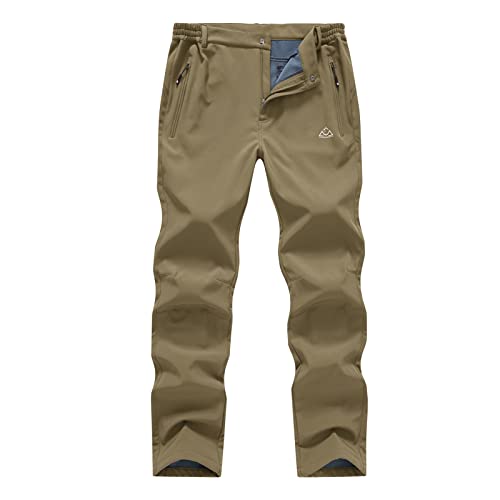
The BASUDAM Utility Work Pants use a flexible softshell exterior over a warm fleece lining. The manufacturer describes the lining as moisture-wicking, which may help manage light perspiration more effectively than a basic plush lining, although the pants are still likely to feel warmer than unlined work trousers. Four pleats at each articulated knee are intended to improve mobility while kneeling, climbing, or stepping over obstacles. Four zippered pockets add secure storage, and the scratch- and tear-resistant fabric is designed with trails and rough working environments in mind.
Compared with the boot-focused options in this guide, BASUDAM places greater emphasis on knee movement and straightforward utility. That makes the design relevant to yardwork, warehouse tasks, campsite chores, and moderate winter hikes. The lack of ankle zippers or adjustable cuffs means it will not seal around large snow boots as effectively as some alternatives. It may work alone in cool, active conditions or over a thin thermal layer when more warmth is required. Buyers should verify waist and inseam measurements rather than relying only on their usual size.
Pros:
- Four-pleat articulated knees support bending and climbing
- Fleece lining is designed to retain warmth and manage moisture
- Stretch softshell fabric allows a useful range of motion
- Four zippered pockets secure tools and personal items
- Scratch- and tear-resistant construction suits outdoor tasks
Cons:
- No adjustable ankle closure for use over wide boots
- Waterproof performance is not supported by a published technical rating
- May be too warm for strenuous activity in mild winter weather
BASUDAM’s pants make the most sense when freedom of movement and work-friendly durability take priority over snow-specific features. They have useful insulation for cold outdoor tasks but lack the lower-leg adjustments expected from dedicated ski pants. A base layer can extend their usefulness in colder conditions if the selected size leaves enough room.
Best for: Outdoor work, campsite chores, winter travel, and active users who frequently kneel or climb.
Moosehill Men’s Fleece-Lined Cargo Pants

Moosehill’s cargo pants are made from a listed blend of 95 percent polyester and 5 percent spandex, pairing a brushed-fleece interior with a water-repellent outer surface. Five pockets include two front zippered pockets, two thigh cargo pockets with reflective accents, and a rear zippered pocket. The reflective details can improve visibility in low-light settings, but they are not a substitute for dedicated high-visibility workwear. Four-way stretch, contoured panels, and articulated knees create a more athletic shape intended to move comfortably during crouching, hiking, and light climbing.
The combination of deeper storage and a streamlined fit separates this pair from more traditional snow pants. Expandable elastic sections at the sides and rear of the waist provide some accommodation during movement or long periods of sitting. These pants may suit early-morning walks, outdoor shifts, fishing, hunting, and trail use where secure pockets are especially useful. The trim profile may also transition more naturally to casual settings. However, buyers who wear thick thermal bottoms should check the measurements closely because an athletic cut can provide less layering room than a relaxed snow pant.
Pros:
- Five pockets provide more storage than most options here
- Reflective accents add visibility in dim conditions
- Four-way stretch and articulated knees support mobility
- Brushed fleece offers warmth without thick padding
- Elastic waist sections adapt to sitting and active movement
Cons:
- Water-repellent fabric is intended mainly for light rain or snow
- Athletic fit may limit room for thick base layers
- No lower-leg zipper or cuff adjustment is listed
The Moosehill pants are a useful trail-to-town choice for men who value storage and a less bulky silhouette. They are better aligned with active use and light precipitation than deep snow or prolonged wet exposure. Their reflective pocket details also offer a practical distinction for early starts, evening walks, and dim work environments.
Best for: Low-light outdoor work, hiking, fishing, commuting, and anyone who needs several secure pockets.
Gash Hao Men’s Snow Ski Pants
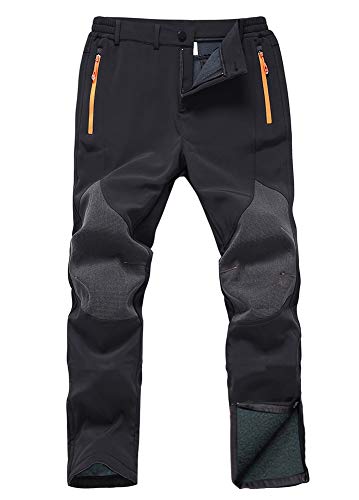
The Gash Hao pants combine a mostly polyester softshell exterior with a granule-fleece lining. Their lower-leg zippers can open the cuffs around hiking, ski, or winter boots, reducing the difficulty of pulling a narrow pant leg over bulky footwear. A stretchy waist provides adjustment, while multiple zippered pockets hold small belongings. The side pockets include plush material intended to reduce the cold feel of metal pocket hardware. Additional wind- and water-blocking material around the knees provides localized protection in an area exposed to wind and contact with damp surfaces.
A useful detail in the manufacturer’s description is its limited rain guidance. Although the product is marketed with waterproof language, the supplied information refers to staying dry during only about 10 to 15 minutes of rain. That makes these better viewed as weather-resistant softshell pants than as a substitute for technical waterproof trousers. They should be more appropriate for intermittent snow, wind, and short periods of moisture. The combination of ankle zippers, fleece, and knee protection gives them a practical role for winter hiking and casual snow activities, provided conditions are not persistently wet.
Pros:
- Granule-fleece lining supplies moderate winter insulation
- Lower-leg zippers improve compatibility with bulky boots
- Protective knee panel helps block wind and surface moisture
- Stretch waistband supports a more adaptable fit
- Multiple zippered pockets keep belongings contained
Cons:
- Manufacturer guidance indicates only short-term rain protection
- No seam-sealing or formal waterproof rating is listed
- Granule fleece may add more bulk than a thin brushed lining
The Gash Hao pants are most convincing as wind-resistant, fleece-lined winter trousers with convenient boot access. Their lower-leg zippers and reinforced knee area are useful in snow, but the stated rain limitation deserves attention. Choose a technical shell instead when the forecast includes prolonged rain, wet snow, or repeated contact with saturated surfaces.
Best for: Winter hiking, snow play, casual skiing, and activities that require pants to fit over larger boots.
TBMPOY Men’s Insulated Softshell Pants

The TBMPOY pants use a fleece-lined softshell intended to protect against cold wind and winter moisture. Their storage layout is the main point of difference: two hand pockets, a cargo pocket, a zippered knee pocket, and two rear cargo pockets distribute small items across the pants. A partially adjustable waistband allows some fit refinement, although the manufacturer notes that a belt is not included. The simple styling and multiple pockets make the design relevant to winter walking, hunting, camping, travel, and daily outdoor chores rather than only snow sports.
These pants may appeal to buyers who prefer open cargo storage for easy access instead of relying entirely on zippered pockets. That convenience introduces a trade-off because cargo pockets without secure closures may be less suitable for valuables during fast movement. No ankle zipper, snow gaiter, or adjustable cuff is listed, so the legs are less specialized for ski boots and deep snow than the Postropaky, Gash Hao, or Rdruko designs. Based on the fleece and softshell construction, they appear suitable as a standalone outer layer in moderate winter conditions or over thin thermals when the fit permits.
Pros:
- Six-pocket layout provides generous utility storage
- Fleece lining offers more warmth than standard hiking pants
- Softshell construction balances protection and flexibility
- Partially adjustable waistband helps refine the fit
- Understated design works for recreation and everyday chores
Cons:
- Some cargo storage is less secure than fully zippered pockets
- No adjustable cuff or lower-leg zipper is listed
- Belt is not included
TBMPOY’s pants are a practical utility option for buyers who want accessible storage and moderate fleece insulation. They are less snow-specific than pants with boot zippers or adjustable cuffs, making them more appropriate for walking, hunting, campsite use, and routine winter tasks than prolonged exposure to deep powder.
Best for: Everyday winter chores, hunting, camping, walking, and users who prioritize cargo storage.
Rdruko Men’s Insulated Snow Pants

The Rdruko Snow Pants pair a fleece lining with stretch softshell fabric and articulated knees. Four zippered pockets provide secure storage, while a D-ring gives users a place to attach keys, a compass, or other lightweight accessories. The elastic waistband accommodates movement and minor fit variation. At the ankles, adjustable buckles help draw the lower legs closer to winter footwear, which can reduce loose fabric and limit openings where snow or wind enters. This arrangement is useful for hiking, hunting, and recreational snow activities that involve changing terrain.
The ankle adjustment is the clearest reason to consider Rdruko over a conventional fleece-lined work pant. It offers more control around different boot shapes without relying on a fixed narrow opening. The D-ring also adds practical utility, though heavy equipment should not be attached unless the manufacturer specifically supports that use. Despite both waterproof and water-resistant wording in the supplied product information, no hydrostatic rating or seam-sealing details are provided. The pants should therefore be treated as moisture-protective softshells rather than relied upon for extended exposure to heavy precipitation.
Pros:
- Adjustable ankle buckles help fit the pants around boots
- Articulated knees and stretch fabric support active movement
- Four zippered pockets keep essentials secure
- D-ring provides an attachment point for lightweight items
- Elastic waistband allows some flexibility in fit
Cons:
- No independent waterproof or breathability rating is supplied
- Ankle buckles may feel unnecessary during casual indoor use
- The tailored design may require careful sizing for base layers
Rdruko offers a useful mix of mobility, secure storage, and adjustable boot coverage. It is particularly relevant to outdoor users who move between bare ground and snow and want more ankle control than ordinary hiking pants provide. For long periods in wet snow, combine it with appropriate gaiters or select a verified waterproof shell.
Best for: Hiking, hunting, snow activities, and men who want adjustable pant openings around winter boots.
How to Choose Insulated Pants for Men
Match the Insulation to Your Activity Level
Fleece-lined softshell pants are usually most effective during moderate activity. Walking, hiking, shoveling, hunting, and outdoor chores generate body heat, so a thickly padded pant can become uncomfortable. A relatively thin fleece lining retains some warmth while allowing more freedom of movement.
For low-output activities, such as watching outdoor events or sitting in a hunting blind, fleece-lined softshell pants may need support from a thermal base layer. More substantial synthetic insulation may be appropriate when movement is limited. No product in this guide has a supported temperature rating, so climate, wind, exposure time, and individual cold tolerance should guide the layering decision.
Understand Water-Resistant Versus Waterproof
Water-resistant fabric can shed light snow, brief drizzle, or minor splashes. Waterproof clothing normally requires a tested waterproof membrane or coating, protected seams, and effective closures. A product title may use “waterproof” even when the supplied information does not identify a hydrostatic-head rating or sealed seams.
Softshell pants are usually chosen for their flexibility and breathability rather than complete storm protection. They may work well in dry snow and short periods of light precipitation. For wet chairlifts, kneeling in saturated snow, or hours of rain, a technical waterproof shell is the safer choice.
Consider Wind Protection
Wind can remove heat quickly even when the air temperature is not unusually low. A tightly woven softshell reduces airflow better than ordinary cotton or lightweight hiking fabric. This is valuable on exposed trails, open job sites, and ski slopes.
Wind protection can reduce breathability, however. During strenuous climbs or repetitive work, trapped moisture may make the lining damp. Pants with stretch softshell construction are often a reasonable compromise, but users who perspire heavily should choose a lighter base layer and adjust their pace or outer layers as conditions change.
Leave Enough Room for a Base Layer
Insulated pants should allow normal bending, stepping, and sitting without pulling tightly across the knees or seat. If thermal leggings will be worn underneath, take measurements while wearing a similar layer. A fit that is comfortable over bare skin may become restrictive once additional fabric is added.
Extra room should not mean excessive looseness. Baggy cuffs can catch on crampons, tools, branches, or bicycle components. Adjustable ankles, boot zippers, and articulated knees help balance layering space with safer movement.
Choose the Right Leg Opening
- Zippered ankles: Helpful when pulling pants over ski boots or bulky insulated footwear.
- Adjustable buckles: Allow the cuff circumference to be changed around different boots.
- Fixed cuffs: Simpler for everyday use but may not fit comfortably over large footwear.
- Integrated gaiters: Common on dedicated ski pants, but not listed for the six softshell options in this guide.
Deep snow can enter around a loose cuff even if the shell sheds moisture. Separate gaiters may improve protection when hiking through powder, provided they fit safely with the footwear and pants.
Evaluate Pocket Placement
Zippered pockets are preferable for phones, keys, and wallets during active movement. Cargo pockets hold more, but heavy contents can swing against the leg and interfere with climbing or skiing. A knee pocket may be easy to reach while standing, although it can become uncomfortable when kneeling if filled with a rigid object.
Keep cold-sensitive electronics close enough to the body to preserve battery performance. Avoid overloading pockets because this can strain fabric, affect mobility, and distort the fit.
Check Care Instructions Before Washing
Softshell coatings and fleece linings can require more careful washing than ordinary cotton pants. Always follow the garment label. In general, close zippers, empty all pockets, and avoid high heat unless the manufacturer permits it. Fabric softener can interfere with some moisture-management treatments and should not be used unless allowed by the care instructions.
Let mud dry before brushing off loose debris. Washing only when needed can reduce wear on surface treatments. If water stops beading, consult the manufacturer’s care guidance before applying any aftermarket water-repellent treatment.
Best Uses for Fleece-Lined Softshell Pants
| Activity | How Softshell Pants Fit the Use | Possible Additional Layer |
|---|---|---|
| Winter hiking | Stretch and articulated knees support movement | Light thermal base layer in colder or windy conditions |
| Outdoor work | Fleece adds warmth while protective fabric handles light abrasion | Waterproof over-pants for sustained rain |
| Snow clearing | Wind protection and moderate insulation suit short active sessions | Base layer for longer exposure |
| Casual skiing | Boot-compatible cuffs can be useful in dry, moderate conditions | Dedicated waterproof ski shell for wet snow or frequent falls |
| Hunting or fishing | Quiet, flexible fabric and pockets may be practical | Warmer base layer during stationary periods |
| Commuting and travel | Less bulky than traditional insulated snow pants | Usually none indoors, depending on personal comfort |
Common Buying Mistakes
Assuming the Warmest Pair Is Always Better
Too much insulation can lead to perspiration, particularly during hiking or physical work. Once moisture collects against the skin, it can increase discomfort during rest stops. Choose warmth according to both the weather and expected exertion.
Treating Every Waterproof Claim the Same
A coated softshell without documented seam construction is not necessarily equivalent to technical rain pants. Consider how long you will be exposed, whether you will sit or kneel on wet surfaces, and whether the precipitation will be light snow or sustained rain.
Ignoring Layering Space
Ordering a close-fitting waist and thigh may prevent comfortable use with thermal underwear. Check the brand’s measurements for the specific listing and account for base-layer thickness. At the same time, avoid sizing up so far that the waistband slips or the legs create a snag hazard.
Choosing Snow-Sport Features for Indoor Work
Ankle buckles and boot zippers are valuable outdoors, but they can be unnecessary around an office, vehicle, or heated warehouse. For mixed indoor and outdoor use, a simpler cuff and lighter fleece may feel more comfortable.
Wearing Cotton Under Insulated Pants
Cotton can retain perspiration and remain damp. A synthetic or wool base layer generally manages moisture more effectively during active winter use. The base layer should fit close to the skin without restricting circulation.
Frequently Asked Questions
Are fleece-lined pants warm enough for snow?
They can be warm enough for moderate activity in light snow, depending on wind, exposure time, and individual cold tolerance. Fleece-lined softshell pants are less bulky than heavily insulated ski pants, but they also provide less insulation. A thermal base layer may be needed for colder conditions or low-output activities.
Can insulated softshell pants replace ski pants?
They may work for casual snow activities in relatively dry conditions, especially when they fit over boots. Dedicated ski pants usually offer stronger waterproof construction, snow gaiters, and more coverage. Softshell pants should not automatically replace technical ski clothing in wet snow, prolonged storms, or repeated falls.
Should insulated pants fit tightly or loosely?
They should provide enough room for unrestricted bending and for any planned base layer, without leaving excess fabric that can catch on equipment. Athletic fits may suit active users wearing thin thermals, while a regular or relaxed fit generally offers more layering room.
Do I need thermal underwear under fleece-lined pants?
Not always. During active use in moderate winter weather, the fleece lining may provide sufficient warmth on its own. Thermal underwear becomes more useful during colder, windier, or less active outings. Start with a thin moisture-managing layer rather than adding unnecessary bulk.
Are these pants suitable for heavy rain?
The supplied product information does not provide verified waterproof ratings or seam-sealing details for these six pants. They are better treated as softshell options for snow, wind, splashes, and brief light precipitation. Use verified waterproof over-pants or rain pants for sustained rain.
Can fleece-lined pants be worn indoors?
Yes, but they may become uncomfortably warm in heated buildings. Men who move repeatedly between indoor and outdoor environments may prefer a thinner lining or an unlined outer pant worn over a removable base layer.
How should insulated pants fit over winter boots?
The cuff should cover the top of the boot without dragging under the heel. Zippers or adjustment buckles can make this easier. If the cuff cannot fit over the boot, it may allow snow to enter. Separate gaiters are another option for hiking in deeper snow.
How often should fleece-lined softshell pants be washed?
Wash them when dirt, odor, or reduced performance makes cleaning necessary rather than after every brief use. Follow the garment’s label because water temperature, detergent, and drying instructions can vary. Empty pockets and close all fasteners before washing.
Final Recommendations
Among these six options, the right choice depends on where the pants will be worn. The Postropaky Hiking Snow Pants provide a broad balance of fleece warmth, mobility, storage, and boot-friendly ankle zippers. BASUDAM is more work-oriented, while Moosehill offers the most varied pocket layout and added low-light details. Gash Hao is useful around bulky winter footwear but has explicitly limited rain protection.
TBMPOY suits everyday chores and buyers who want cargo storage. Rdruko is the more adaptable choice around boots because of its adjustable ankle buckles. Whichever pair you choose, check the listing’s size chart with your intended base layer in mind. For prolonged rain, deep wet snow, or severe cold, use a more protective layering system rather than expecting fleece-lined softshell pants to handle every condition alone.