Ski pants can look warm and protective in a product photo yet still leave important questions unanswered. A waterproof label does not reveal whether seams are sealed, how long the fabric can handle wet chairlifts, or whether the cut leaves enough room for a base layer. Fit, mobility, wind protection, and boot compatibility matter just as much as insulation.
The options below are primarily fleece-lined softshell pants intended for skiing, hiking, snow play, and other active winter use. They offer useful protection from snow and light moisture, but the supplied specifications do not include hydrostatic waterproof ratings or seam-sealing details. Skiers expecting prolonged rain, heavy wet snow, or repeated contact with saturated surfaces should consider a technical ski shell with documented waterproof construction instead.
Quick Answer
The best waterproof ski pants depend on how and where they will be worn. The Postropaky Women’s Insulated Softshell Pants in Gray offer a practical balance of fleece warmth, stretch, articulated knees, and boot-friendly ankle zippers. For men seeking similar features at a lower listed price, the Postropaky Men’s Insulated Softshell Pants are a strong value-oriented option.
The Moosehill Men’s Snow Ski Pants are better suited to people who prioritize mobility, secure storage, and visibility details. Women who want more cargo capacity may prefer the Women’s Six-Pocket Softshell Pants in Cool Gray. None of these recommendations should be treated as a substitute for a seam-sealed hardshell in consistently wet mountain weather.
Waterproof Ski Pants Comparison
| Product | Best For | Warmth and Material | Weather Protection | Fit and Layering | Notable Trade-Off |
|---|---|---|---|---|---|
| Postropaky Women’s Softshell Pants, Gray | Women seeking a balanced active-winter option | Stretch softshell with fleece lining | Coated surface for snow, wind, and light moisture | Mid-rise cut with elastic side sections | No published waterproof rating or seam details |
| Postropaky Women’s Softshell Pants, Black | Versatile winter and everyday wear | Fleece-lined ripstop-style softshell | Coated exterior and boot-compatible ankle openings | Articulated knees with a flexible waist | Very similar to the gray Postropaky option |
| Gash Hao Men’s Snow Ski Pants | Short outings in mixed winter conditions | Polyester softshell with granule fleece | Wind-blocking knee area and brief rain protection | Stretch waist and zippered lower legs | Manufacturer limits rain protection to roughly 10 to 15 minutes |
| Wespornow Women’s Snow Ski Pants | Active winter recreation | Softshell exterior with fleece lining | Water-repellent coating and wind protection | Shaped knees support movement | No ankle zipper or gaiter listed |
| Postropaky Men’s Softshell Pants | Value-conscious male shoppers | Stretch softshell with warm fleece interior | Coated exterior for snow and light moisture | Elastic side waist and articulated knees | Protection is not supported by a published technical rating |
| Women’s Six-Pocket Softshell Pants, Cool Gray | Carrying extra gear | Lightweight fleece-lined stretch fabric | Water-repellent and wind-blocking surface | Slim profile with partial waist elasticity | Open pockets may be less secure than zippered storage |
| Women’s Six-Pocket Softshell Pants, Black | Dark-color everyday winter wear | Quick-drying shell with fleece backing | Designed to resist wind, snow, and light moisture | Slim cut may limit thick layering | Nearly identical to the cool gray listing |
| Moosehill Men’s Snow Ski Pants | Mobility and secure pocket storage | Polyester-spandex shell with brushed fleece | Water-repellent protection for light rain and snow | Athletic cut, articulated knees, and four-way stretch | Not described as a seam-sealed ski shell |
Prices, colors, and available sizes can change. Check the current listing and manufacturer size chart before ordering.
How We Chose These Picks
These recommendations were evaluated from the supplied manufacturer descriptions rather than first-hand wear testing. We considered the factors that make ski pants practical in real winter conditions, including:
- Weather protection: Whether the outer fabric is described as water-repellent, coated, wind-resistant, or waterproof, along with any stated limitations.
- Warmth: The presence and type of fleece lining, plus whether the design appears intended for active or lower-output use.
- Mobility: Stretch fabric, articulated knees, and waist construction that may reduce restriction while skiing or hiking.
- Boot compatibility: Ankle zippers and wider lower-leg openings that can make pants easier to position over winter footwear.
- Storage: The number, placement, and closure type of pockets.
- Fit and layering: Whether the listed cut appears slim, adjustable, or accommodating enough for a base layer.
- Versatility: Suitability for skiing, hiking, snow clearing, outdoor work, travel, and casual winter use.
- Limitations: Missing waterproof ratings, unclear seam construction, and designs that may not provide the coverage of dedicated resort ski pants.
A product marketed as waterproof is not automatically suitable for every wet-weather situation. Without a published waterproof rating and seam-sealing information, it is safer to view these softshell pants as options for light snow, brief moisture exposure, and cold, relatively dry conditions.
Our Top Picks
These eight pants are not ranked from first to last. Several are closely related styles or color variants, while others emphasize storage, mobility, or value. Compare the intended activity and weather protection carefully. A flexible fleece-lined pant can be comfortable for active use, but skiers who spend full days in wet snow may need a more technical shell.
Postropaky Women’s Insulated Softshell Ski Pants, Gray
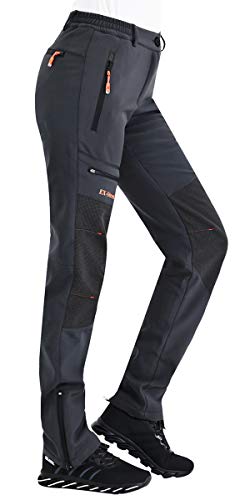
The Postropaky women’s pants combine a stretchy softshell exterior with a warm fleece lining. According to the manufacturer, the surface has a water-repelling coating intended to shed snow, rain, and stains while reducing wind penetration. Articulated knees support bending and climbing, while elastic sections at the sides of the mid-rise waist provide some fit flexibility. Four zippered pockets offer more secure storage than open hand pockets. Ankle zippers make the lower legs easier to position over ski or winter boots, although the listing does not describe integrated snow gaiters.
This gray option offers a useful mix of warmth, mobility, and boot compatibility for recreational skiing, hiking, snow play, or cold-weather errands. Its fleece lining may reduce the need for a heavy base layer during active use, but people who run cold can consider a thin thermal layer if the size allows. The manufacturer calls the fabric waterproof, yet no hydrostatic rating or seam-sealing information is supplied. It is therefore better viewed as a coated softshell for ordinary snow and brief moisture exposure, not a technical hardshell for prolonged wet conditions.
Pros:
- Fleece lining adds warmth without separate bulky insulation
- Articulated knees and stretch fabric support active movement
- Four zippered pockets keep small items more secure
- Ankle zippers help accommodate ski and winter boots
- Elastic waist sections provide limited fit adjustment
Cons:
- No published waterproof rating or seam-sealing details
- No integrated boot gaiters are listed
- Fleece lining may feel warm during strenuous uphill activity
These pants are a balanced choice for women who want one garment for light skiing, winter hiking, and everyday snow use. They provide more boot access and secure storage than some basic fleece-lined hiking pants, but buyers expecting frequent wet chairlift rides should look for documented waterproof construction.
Best for: Women seeking flexible, fleece-lined softshell pants for recreational skiing and mixed winter activities.
Postropaky Women’s Insulated Softshell Ski Pants, Black
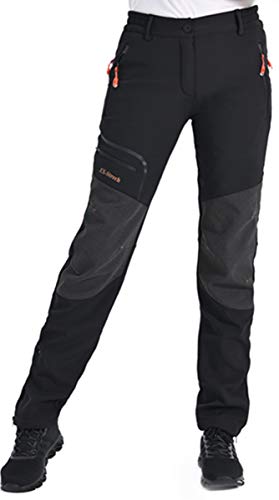
This black Postropaky listing uses the same general formula as the gray version: a coated stretch exterior, fleece lining, articulated knees, four zippered pockets, and ankle zippers. The manufacturer describes the outer fabric as wear-resistant and designed to repel rain, snow, and stains. A partially flexible mid-rise waist may make the pants more comfortable during movement, while the lower-leg openings are designed to fit over bulkier winter footwear. The ripstop-style softshell construction is also intended to resist scratches during hiking and other outdoor activities.
The main reason to consider this listing separately is color and size availability rather than a major construction difference. Black can transition easily from winter recreation to commuting or casual outdoor work, and it tends to show fewer marks than a light color. Buyers should not assume that similarly named Postropaky listings have identical sizing. Check the chart attached to this specific page and allow space for any planned base layer. As with the gray model, the absence of technical waterproof and seam specifications limits confidence in prolonged wet-weather protection.
Pros:
- Warm fleece lining is suitable for cold, moderately active use
- Coated stretch shell balances movement and weather resistance
- Four zippered pockets provide practical storage
- Articulated knees reduce restriction while bending
- Ankle zippers simplify use with winter boots
Cons:
- Provides little functional differentiation from the gray version
- No waterproof rating or taped-seam claim is provided
- May not leave room for thick layers unless sized accordingly
This version makes sense when the black color or available sizing is a better match than the gray listing. Its combination of fleece, stretch, and zippered lower legs is versatile, but the weather protection remains more appropriate for ordinary snow than extended exposure to saturated conditions.
Best for: Women who want dark, versatile softshell pants for skiing, hiking, commuting, and general winter wear.
Gash Hao Men’s Fleece-Lined Snow Ski Pants
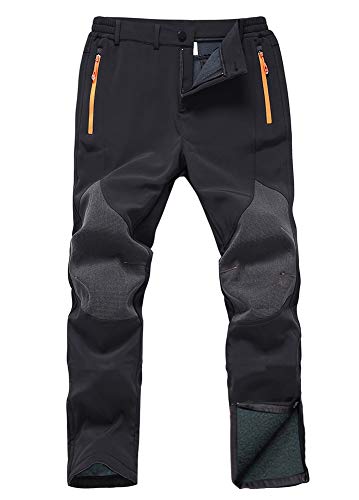
The Gash Hao men’s pants use a polyester softshell exterior and granule fleece lining for warmth. The manufacturer describes the fabric as windproof, quick-drying, insulated, and waterproof, but it also provides a more specific limitation: the pants may keep a wearer dry for only about 10 to 15 minutes while walking in rain. That makes them easier to assess than products making an unqualified waterproof claim. A wind- and water-blocking layer around the knees adds protection in an exposed area. Zippered lower legs fit over boots, and an adjustable stretch waist offers some flexibility.
Several zippered pockets distinguish this design from pants with open or hook-and-loop storage. The front, side, and rear closures can help secure keys, a wallet, or other compact items during movement. These pants may work well for dry snow, short ski sessions, winter hiking, and everyday outdoor tasks. They are less appropriate for steady rain, very wet snow, or long periods sitting on damp surfaces. The fleece lining adds comfort in cold weather, although active hikers may need a lighter base layer to prevent overheating.
Pros:
- Manufacturer provides a realistic limitation for rain exposure
- Granule fleece lining adds cold-weather warmth
- Multiple zippered pockets secure small belongings
- Zippered ankles accommodate larger winter footwear
- Protective knee layer helps block wind and moisture
Cons:
- Rain protection is stated to last only about 10 to 15 minutes
- Not a substitute for seam-sealed ski pants in wet weather
- Fleece may retain too much heat during strenuous climbs
The Gash Hao pants are notable for setting a clearer expectation about moisture resistance. They are most useful in cold, fairly dry conditions where wind protection and fleece warmth matter more than all-day waterproofing. Their storage and ankle design add practical value for short winter outings.
Best for: Men taking short ski trips, winter walks, or hikes in dry snow and intermittent light moisture.
Wespornow Women’s Fleece-Lined Snow Ski Pants

Wespornow’s women’s snow pants pair a fleece lining with a water-repellent softshell exterior. The listed construction prioritizes warmth, wind protection, and movement rather than the heavy insulation and loose profile associated with traditional snow pants. Shaping around the knees is intended to limit bunching while hiking, crouching, or skiing. Storage includes front slant pockets, a zippered rear pocket, and a larger zippered thigh pocket. This mixture offers quick hand access along with more secure places for valuables.
These pants deserve consideration for active winter recreation because the design appears less bulky than conventional insulated ski pants. That can make them easier to use for hiking, travel, or casual wear away from the slopes. The trade-off is less specialized snow protection. The supplied information does not mention ankle zippers, internal gaiters, reinforced cuffs, sealed seams, or a measured waterproof rating. They may be comfortable in falling snow and brief moisture, but deep powder and wet resort conditions call for more coverage around the boots and stronger documented waterproofing.
Pros:
- Fleece lining provides warmth with a relatively streamlined profile
- Shaped knee construction supports flexibility
- Combination of hand, rear, and thigh pockets
- Water-repellent surface helps shed light snow
- Suitable for several active winter pursuits
Cons:
- No boot gaiters or ankle zippers are listed
- No published waterproof rating or seam construction details
- Open front pockets may not secure items during skiing
The Wespornow pants fit best between winter hiking pants and casual ski pants. They favor mobility and a less bulky feel over specialized resort features. Women who need secure storage should use the zippered thigh or rear pocket rather than relying on the open front pockets.
Best for: Women who prioritize mobility for winter hiking, snow play, and occasional recreational skiing.
Postropaky Men’s Insulated Softshell Ski Pants

The men’s Postropaky softshell pants combine a stretchy coated exterior with a fleece inner layer. Their articulated knees are intended to improve mobility during skiing, hiking, climbing, and outdoor work. Elastic sections along the mid-rise waist add some flexibility, while ankle zippers make it easier to pull the cuffs over ski or snow boots. Four zippered pockets offer secure storage for small essentials. The manufacturer also describes the exterior as ripstop, scratch-resistant, and capable of repelling snow, rain, and stains.
This pair is especially relevant to budget-conscious shoppers who need versatile winter pants rather than highly technical ski apparel. The warm lining and wind-blocking design may suit lift-served skiing in dry conditions, snow clearing, cold-weather travel, or low-intensity hikes. Although the product is marketed as waterproof, no standardized rating, taped-seam construction, or waterproof zipper information is included. That distinction matters if the pants will regularly contact wet snow. Buyers should also compare body measurements with the listing’s size chart instead of choosing solely by their usual jeans size.
Pros:
- Fleece-lined construction provides everyday winter warmth
- Stretch shell and articulated knees support movement
- Ankle zippers improve boot compatibility
- Four zippered pockets offer secure storage
- Listed price is relatively accessible for an insulated softshell
Cons:
- Waterproof performance is not supported by a technical rating
- No integrated gaiter is described
- Thick fleece can be warm for sustained high-output activity
The men’s Postropaky pants provide a useful feature set for their price category, particularly for shoppers who want one pair for several winter activities. Their best role is in cold, dry, or lightly snowy weather rather than prolonged rain or saturated resort conditions.
Best for: Men seeking affordable fleece-lined softshell pants with secure pockets and boot-friendly ankle zippers.
Women’s Six-Pocket Fleece-Lined Softshell Pants, Cool Gray

These women’s cool gray pants are built around a lightweight, fleece-backed softshell with a water-repellent and quick-drying exterior. The manufacturer describes the material as wind-blocking, snow-resistant, abrasion-resistant, and anti-static. Partial elastic sections at the sides of the waist allow some adjustment while moving. The most distinctive feature is the six-pocket layout: two slant hand pockets, two hook-and-loop rear pockets, and two large thigh pockets. That capacity may be useful for hiking or outdoor work, although not every pocket offers the security of a zipper.
The listed slim fit gives these pants a streamlined appearance and may reduce excess fabric around the legs. It also means buyers should pay close attention to layering room. A thin moisture-wicking base layer is more realistic than heavy fleece leggings unless the selected size provides enough space. This design may suit active winter hiking, walking, snow play, or casual skiing in light precipitation. No ankle zipper, internal snow gaiter, seam sealing, or waterproof rating is specified, so the pants are less specialized for deep snow than dedicated ski bibs or shells.
Pros:
- Six pockets provide substantial carrying capacity
- Lightweight fleece lining balances warmth and mobility
- Partial elastic waist allows some movement and fit flexibility
- Quick-drying softshell is practical for active winter use
- Slim profile can transition to casual wear
Cons:
- Several pockets lack zipper closures
- Slim fit may restrict thick base layers
- No gaiters, ankle zippers, or measured waterproof rating are listed
This cool gray option is most compelling for its pocket capacity and streamlined design. It can serve active users who carry gloves, trail accessories, or work items, but open and hook-and-loop pockets should not hold valuables during skiing. Confirm both waist and hip measurements before ordering.
Best for: Women who want lightweight fleece-lined winter pants with generous cargo storage.
Women’s Six-Pocket Fleece-Lined Softshell Pants, Black

The black version of these women’s softshell pants uses the same listed fleece-lined, quick-drying construction as the cool gray option. Its outer surface is designed to resist wind, light moisture, snow, and abrasion. Six pockets spread storage across the front, rear, and thighs, and the waistband includes partial elastic sections at the sides. The cut is described as slim, making the pants less bulky for walking, travel, and everyday winter use. Buyers who want to add thermal leggings should compare their layered measurements with the manufacturer’s chart.
This separate listing is most useful when black is preferred or when its available size range matches the shopper better. Functionally, it does not provide a meaningful advantage over the cool gray model. The dark color is versatile for commuting, outdoor work, or casual clothing, but color does not change the level of weather protection. These pants lack the listed boot gaiters, reinforced cuffs, and technical waterproof specifications associated with dedicated resort apparel. They are better matched to active use in cold, lightly snowy conditions.
Pros:
- Six-pocket design accommodates larger and smaller items
- Fleece lining adds warmth without a heavily padded shape
- Water-repellent, quick-drying exterior suits light snow
- Partially elastic waist supports movement
- Black color is practical for everyday winter wear
Cons:
- Substantially duplicates the cool gray listing
- Not all pockets have secure zipper closures
- No seam sealing, gaiters, or waterproof rating is specified
Choose this black listing when its color or current sizing is a better fit than the gray version. The pants favor storage, mobility, and a trim profile, but they do not provide the specialized lower-leg coverage or documented waterproofing needed for demanding wet-weather skiing.
Best for: Women seeking dark, slim-profile softshell pants for everyday winter activities and occasional snow sports.
Moosehill Men’s Fleece-Lined Snow Ski Pants

Moosehill’s men’s pants use a 95 percent polyester and 5 percent spandex shell with a brushed fleece interior. Four-way stretch, articulated knees, and contour panels create an athletic design intended for crouching, climbing, hiking, and skiing. Expandable elastic panels at the sides and rear of the waist help the pants adapt during movement. Five zippered pockets include two front pockets, two thigh cargo pockets with reflective accents, and one rear pocket. The reflective details can improve visibility in low light, though they should not replace dedicated visibility equipment.
Compared with the other men’s options here, Moosehill places greater emphasis on stretch, secure storage, and trail-to-town versatility. The manufacturer describes the outer fabric as water-repellent rather than relying only on an unqualified waterproof claim, specifying protection from light rain and snow. That makes the intended use clearer. These pants may suit winter hiking, outdoor work, casual wear, and recreational skiing in relatively dry conditions. They are not described as seam-sealed, and no lower-leg zipper or snow gaiter is listed, which limits their usefulness in deep powder.
Pros:
- Four-way stretch and articulated knees support broad movement
- All five pockets use zipper closures
- Reflective pocket accents improve low-light visibility
- Elastic waist panels add comfort during active use
- Water-repellent description sets reasonable weather expectations
Cons:
- No ankle zipper or integrated snow gaiter is listed
- Designed for light precipitation rather than prolonged wet exposure
- Athletic cut may require careful sizing for base layers
The Moosehill pants are a practical match for men who value movement and secure storage more than deep-snow features. Their water-repellent shell should be suitable for light precipitation, but skiers headed into wet storms should choose a garment with published waterproof performance and sealed seams.
Best for: Men who need flexible winter pants with secure pockets for hiking, outdoor work, and light recreational skiing.
How to Choose Waterproof Ski Pants
Understand Waterproof Versus Water-Resistant
Water-resistant fabric can shed light snow, splashes, and brief drizzle. Waterproof ski apparel should prevent water penetration under greater and more sustained pressure. A complete waterproof garment normally depends on more than its face fabric. Seams, zippers, pocket openings, and cuff construction all affect protection.
Many marketplace listings use “waterproof” broadly. Before choosing ski pants for wet conditions, look for:
- A published waterproof rating, often expressed in millimeters
- Fully taped or sealed seams
- Water-resistant or protected zippers
- A durable water-repellent finish on the outer fabric
- Internal gaiters that close around ski boots
- Reinforced cuffs that resist damage from ski edges
The softshell pants in this guide do not include enough supplied technical information to confirm all-day waterproof performance. They are more reasonably considered for dry snow, light precipitation, and short periods of moisture.
Match the Pants to the Type of Skiing
Occasional recreational skiing in a cold, dry climate places different demands on clothing than full days in wet coastal snow. A fleece-lined softshell may be comfortable for a few hours on groomed slopes, especially if the wearer values mobility. Resort skiers who frequently sit on snowy chairlifts need stronger protection at the seat and seams.
Backcountry and uphill users also need more breathability than low-output resort skiers. Fleece-lined pants can trap excess heat during climbing. A lighter shell paired with adjustable base layers is often easier to regulate during high-output activity.
Consider Insulation and Activity Level
Fleece retains warm air near the body and feels comfortable against the skin. It works well for cold-weather walking, lift rides, snow clearing, and moderate activity. The drawback is that fixed fleece cannot be removed if conditions warm up.
- For low activity: A warm lining and wind-resistant exterior can improve comfort.
- For moderate activity: Light fleece with stretch may balance warmth and mobility.
- For strenuous activity: An uninsulated or lightly lined shell usually provides better temperature control.
- For changing weather: A shell worn over a removable base layer offers greater flexibility.
A warmer garment is not automatically the better choice. Sweat that remains inside clothing can eventually make the wearer feel colder, especially during rest periods.
Leave Enough Room for a Base Layer
Ski pants should allow bending, squatting, and stepping without pulling tightly across the hips, thighs, or knees. At the same time, excessive loose fabric can catch, flap in wind, or interfere with movement.
When using a size chart, measure while wearing the type of base layer planned for winter. Compare waist, hip, inseam, and thigh measurements when those figures are available. A “slim” label usually deserves extra attention if thicker thermal leggings will be worn underneath.
Check the Lower-Leg Design
Ankle zippers make narrow softshell pants easier to pull over winter footwear. Internal gaiters provide better snow control by closing around the boot, but none of the listed descriptions clearly confirms that feature. Without a gaiter, loose powder can enter from below, particularly after a fall.
For regular downhill skiing, look for a cuff wide enough to cover the upper portion of the ski boot without excessive stretching. Reinforced inner cuffs are also helpful because sharp ski edges can damage ordinary softshell fabric.
Evaluate Pocket Security
Zippered pockets are usually preferable on the slopes. Open slant pockets provide easy access but can release a phone, keys, or wallet during a fall. Hook-and-loop pockets offer some closure, though packed snow can interfere with them.
Do not overload thigh pockets with hard or bulky objects. Their position may affect movement, and a fall onto a rigid item can be uncomfortable. Essential valuables are often safer in a secure inner jacket pocket.
Look at Wind Protection
Wind can remove body heat quickly on exposed lifts and open slopes. A tightly woven or membrane-backed softshell helps reduce airflow, but “windproof” is another term that may be used without a standardized performance figure. Cuff coverage and waist fit also influence how much cold air enters.
If the pants sit below the jacket hem or gap at the waist while bending, even a wind-blocking fabric may not keep the wearer comfortable. Bib-style pants generally provide more torso coverage than waist pants.
Plan for Care and Maintenance
Follow the care label attached to the garment. Fabric softener can interfere with some moisture-wicking treatments and water-repellent finishes. High heat may also damage stretch fibers, coatings, or laminated materials.
Before washing:
- Empty and close all pockets.
- Fasten zippers and hook-and-loop tabs.
- Brush away dried mud and debris.
- Use the recommended detergent amount.
- Dry the pants only as directed by the manufacturer.
If water stops beading on the surface, the face fabric may need cleaning or treatment with a compatible water-repellent product. A refreshed surface treatment does not repair leaking seams or turn a water-resistant garment into a fully waterproof one.
Common Buying Mistakes
- Relying on the product title alone: Confirm whether the listing supplies waterproof ratings, seam details, and realistic limitations.
- Choosing a size without accounting for layers: Measurements should reflect what will actually be worn underneath.
- Ignoring boot compatibility: A narrow cuff without an ankle zipper may not fit comfortably over ski boots.
- Buying fixed fleece for high-output use: Warm lining can cause overheating during climbs or vigorous skiing.
- Assuming more pockets are always better: Closure security and pocket placement matter more than quantity.
- Using hiking softshells for deep powder: Pants without gaiters may allow snow to enter around the ankles.
- Expecting one pair to cover every climate: Dry cold, wet snow, casual use, and backcountry travel require different balances of warmth and weather protection.
Frequently Asked Questions
Are softshell pants waterproof enough for skiing?
They can be adequate for short recreational sessions in cold, dry snow, particularly when the fabric has a water-repellent coating. They are less dependable in rain, wet snow, repeated falls, or long chairlift rides. For those conditions, look for a documented waterproof membrane, sealed seams, and boot gaiters.
Should ski pants be tight or loose?
They should be loose enough for unrestricted bending and the intended base layer, but not so loose that excess fabric interferes with movement. Slim softshell pants can work well for active use if they do not pull across the knees, hips, or thighs.
Do fleece-lined ski pants require a base layer?
Not always. A fleece lining may provide enough warmth during moderate activity in ordinary winter conditions. A thin moisture-wicking base layer can add comfort in colder weather, but thick layers may cause overheating or restrict movement. Avoid cotton next to the skin because it holds moisture.
Are ankle zippers the same as snow gaiters?
No. An ankle zipper widens the lower leg so it can fit over a boot. A snow gaiter is a separate inner cuff that closes around the boot to reduce snow entry. Some ski pants include both, but a zipper alone does not seal out powder.
Can waterproof ski pants lose their water repellency?
Yes. Dirt, oils, abrasion, and repeated washing can reduce surface beading. Proper cleaning and a compatible durable water-repellent treatment may restore the outer finish. This maintenance does not fix damaged membranes or unsealed seams.
Are these pants suitable for snowboarding?
They may work for casual snowboarding in dry conditions, but snowboarders often spend more time sitting or kneeling on snow. That increases moisture pressure at the seat and knees. A seam-sealed shell with reinforced panels and gaiters is more appropriate for frequent or wet-weather snowboarding.
Can ski pants also be used for winter hiking?
Yes, but breathability is important. Fleece-lined softshell pants are often comfortable for moderate winter hiking because they stretch and block wind. During steep climbs, fixed insulation can become too warm. Ventilated or uninsulated shells are easier to regulate during strenuous activity.
What should be worn under ski pants?
A synthetic or wool base layer is usually the most practical choice. It should move moisture away from the skin and fit without bunching. The thickness depends on weather, activity, and whether the pants already contain insulation. Avoid stacking so many layers that hip and knee movement becomes restricted.
Final Recommendations
For a balanced women’s design with secure pockets, articulated knees, and boot-friendly ankle zippers, consider the Postropaky Women’s Softshell Pants in Gray. The Postropaky Men’s Softshell Pants offer similar practical features for men at a value-oriented listed price.
The Moosehill Men’s Snow Ski Pants are the more mobility-focused men’s option, with four-way stretch and five zippered pockets. Women prioritizing cargo space can compare the cool gray and black six-pocket softshell pants.
Choose according to conditions rather than the strongest wording in a product title. Fleece-lined softshell pants can be comfortable for dry snow, light precipitation, winter hiking, and occasional skiing. Consistently wet snow, long resort days, and deep powder justify stepping up to pants with a verified waterproof rating, sealed seams, reinforced cuffs, and internal boot gaiters.