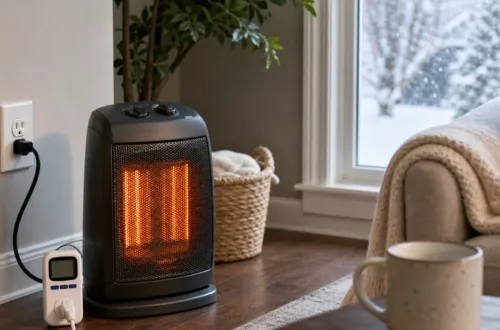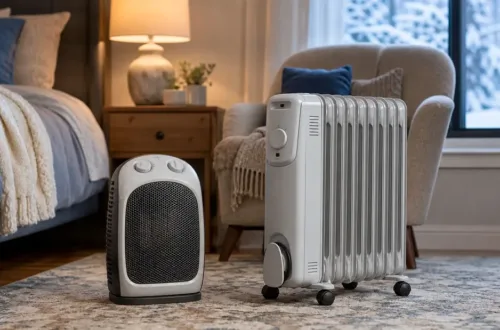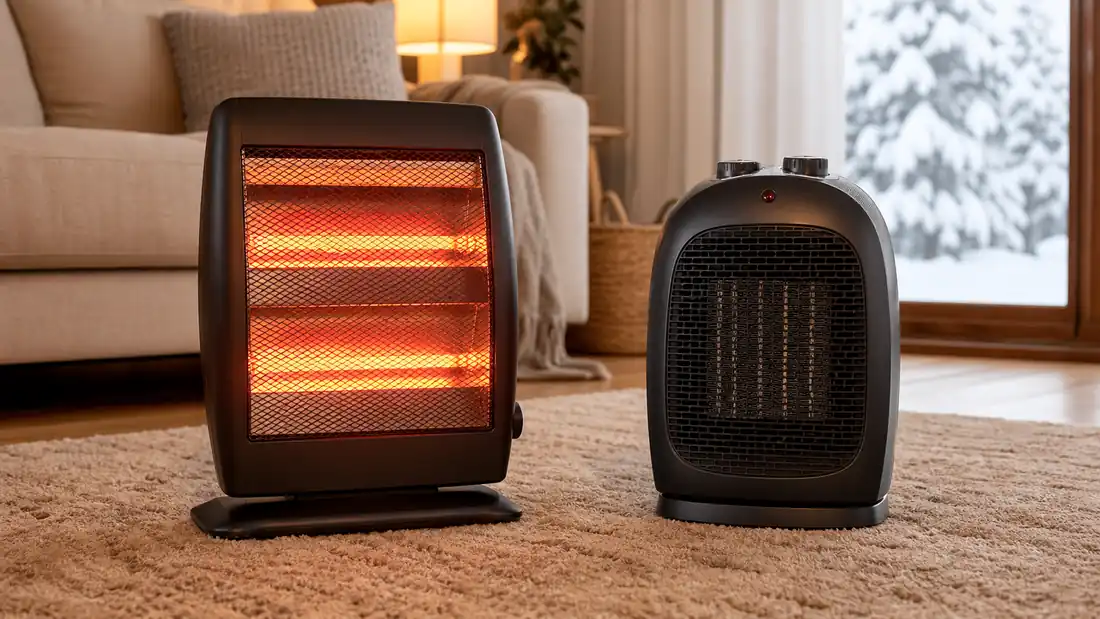
When people compare an infrared heater vs ceramic heater, they are usually trying to solve a practical problem rather than learn a technical one. They want to know which type warms a room faster, which feels more comfortable, which costs less to run, and which fits the space they actually have. The answer depends less on the heater label and more on how the heat is delivered.
Infrared heaters warm objects and people directly, which can make them a strong choice for spot heating, larger open areas, garages, patios, and rooms where you want a more natural-feeling warmth. Ceramic heaters use heated ceramic elements and a fan to push warm air into the room, which often makes them better for small indoor spaces, bedrooms, desks, and everyday supplemental heating. Both can be useful, but they work best in different situations.
Quick Answer
If you want directional heat for a specific area, an infrared heater is often the better fit. If you want fast, fan-assisted warmth for a small indoor room, a ceramic heater is usually more practical. Infrared models are often quieter and better for open or drafty spaces. Ceramic heaters are typically more compact and better for moving from room to room.
Infrared Heater vs Ceramic Heater: Quick Comparison
| Feature | Infrared Heater | Ceramic Heater |
|---|---|---|
| How it heats | Heats people and objects directly | Heats air with a ceramic element and fan |
| Best use | Spot heating, garages, patios, large open areas | Bedrooms, offices, dorms, small rooms |
| Noise | Usually quieter | Usually louder because of the fan |
| Warm-up feel | Immediate warmth in the beam path | Quick room warming, but depends on air circulation |
| Portability | Ranges from portable to mounted | Often lightweight and easy to move |
| Best room type | Open, drafty, or semi-outdoor spaces | Closed indoor spaces |
| Comfort style | More direct, less air movement | More like a small forced-air heater |
Recommended Models for Different Needs
The heaters below are not ranked as universally better or worse. Each one solves a different problem, from budget indoor heating to mounted infrared warmth for garages and patios. The right choice depends on where you plan to use it, how much control you want, and whether you prefer direct radiant heat or fan-assisted heat.
DR. Infrared Heater DR-123 Indoor Portable Space Heater

This portable DR. Infrared Heater blends infrared quartz tube heating with PTC fan-forced heat, so it is trying to cover both sides of the comfort question. That makes it useful for people who want the steady feel of infrared warmth but also want some air movement to spread heat more evenly. The unit includes a digital thermostat, a remote, a 12-hour timer, caster wheels, and multiple heat modes, so it is set up for everyday room use rather than just emergency heating.
It earns attention because it sits in a middle ground that many shoppers actually need. It is quieter than many fan-only ceramic heaters, yet more flexible than a basic radiant unit that simply points heat in one direction. The Eco mode may appeal to buyers who want a more controlled approach to supplemental heating, especially in bedrooms, living rooms, or home offices. It is not the cheapest option here, but the added controls and portability make sense if you expect to use it often.
Pros:
- Combines infrared warmth with fan-forced heat for more even coverage
- Remote control and timer improve daily convenience
- Quiet operation suits bedrooms and offices
- Tip-over and overheat protection add safety support
- Wheels make it easier to move between rooms
Cons:
- Costs more than many basic portable ceramic heaters
- Best suited to supplemental heating, not whole-home heating
This is a practical choice for buyers who want one portable heater that can feel calmer than a fan heater but still offer more reach than a simple radiant unit. It is especially useful if you care about quiet operation and simple controls.
Best for: Bedrooms, living rooms, and home offices where quiet, portable supplemental heat matters.
Amazon Basics Portable Space Heater with Remote Control

This Amazon Basics model uses infrared heating elements and offers 750W and 1500W settings along with an ECO-Smart mode. That makes it a straightforward option for someone who wants radiant-style heat without paying for a more specialized premium unit. The wood casing gives it a furniture-like appearance, which may matter in a living room or den where you do not want a heater to stand out too much. It also includes a remote and a digital thermostat, which are useful if the heater sits across the room.
It belongs on this list because it keeps the focus on simple, budget-friendly infrared heating. You do not get the same refinement or advanced comfort controls as some higher-priced models, and it is fairly heavy for a portable heater, but it gives readers an affordable way to compare infrared heat against ceramic heat in a real indoor setting. For users who want a larger, more stationary heater for a bedroom or family room, it offers a reasonable mix of heat output and basic convenience.
Pros:
- Low price for a full-size infrared heater
- Two heat settings plus ECO mode for flexibility
- Remote control adds convenience
- Wood finish looks less utilitarian than many heaters
- Overheat sensor adds a basic safety feature
Cons:
- Heavier than many compact portable heaters
- Temperature range is relatively limited
This is a sensible pick for shoppers who want infrared heating on a tighter budget and do not mind a larger cabinet-style unit. It makes the most sense in rooms where appearance and basic convenience matter more than advanced controls.
Best for: Budget-conscious buyers who want a full-size infrared heater for indoor supplemental heat.
DR. Infrared Heater Portable Indoor and Outdoor Space Heater
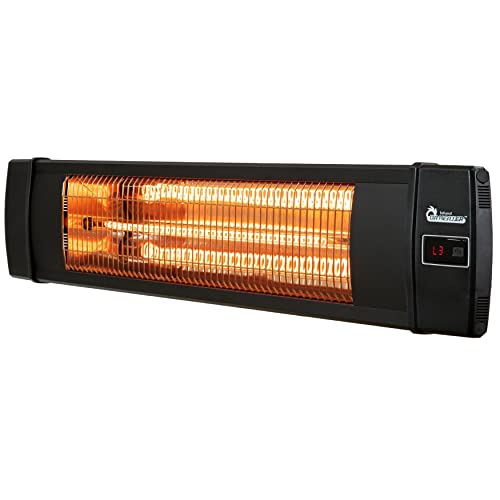
This mounted infrared heater is aimed at spaces where a standard ceramic heater usually falls short. It is rated for indoor and outdoor use, and the wall or ceiling mounting option makes it a better fit for patios, garages, workshops, and other places where floor space is limited. With three heat settings and remote control operation, it is built around targeted warmth instead of room-wide air circulation. The instant infrared output is useful in draftier spaces because it does not depend on trying to heat a large volume of moving air.
It stands apart from indoor portable models because it solves a different problem. If you need heat for an open-sided patio or garage, a ceramic fan heater often loses too much warmth to air movement. This model is more useful when you want directional heat in a fixed location and prefer not to move a heater around. The trade-off is installation. It is less flexible than a portable unit, but that fixed setup is exactly what many buyers want for seasonal outdoor use or a semi-permanent work area.
Pros:
- Suitable for both indoor and outdoor use
- Wall or ceiling mounting saves floor space
- Instant radiant heat works well in draftier areas
- Remote control makes operation easier
- Weather-resistant construction adds durability
Cons:
- Requires mounting, so it is less portable
- Better for targeted zones than whole-area heating
This is a good fit for buyers who need fixed infrared heat in a garage, patio, or workshop rather than a movable heater for a bedroom. It is more specialized than a typical ceramic model, which is also why it works better in the right setting.
Best for: Patios, garages, decks, and other spaces where mounted radiant heat makes more sense than a portable fan heater.
EdenPURE Classic CopperPLUS Infrared Heater

This EdenPURE model is designed for larger rooms, and that matters because not every infrared heater is meant to handle more open indoor spaces. Its copper core design is meant to support steady infrared warmth, and the manufacturer positions it as a zone heater for spaces up to 1000 square feet. It includes a digital thermostat, remote control, caster wheels, cool-touch housing, and multiple safety sensors, which makes it feel more like a permanent room heater than a small portable unit.
It deserves a place here because it helps define one of the main strengths of infrared heating. Instead of relying on a fan to push warm air around, it provides a more even, direct type of comfort that can work well in living rooms or large bedrooms. The price is higher than many ceramic heaters, so it is not a casual buy. Still, for people trying to heat one frequently used area instead of running central heat all day, the design and size may justify the cost. It is a stronger fit for buyers who value quieter operation and more substantial build quality.
Pros:
- Designed for larger rooms and zone heating
- Quiet operation with minimal fan noise
- Cool-touch housing and multiple safety features
- Remote control and caster wheels improve usability
- May help reduce reliance on central heating in used spaces
Cons:
- Much more expensive than basic heaters
- Large size may not suit small rooms or tight spaces
This model makes sense for buyers who want a stronger infrared option for a larger living area and are willing to pay more for quieter, zone-based comfort. It is less about portability and more about steady, room-focused heat.
Best for: Large bedrooms, living rooms, and home offices that need a quiet zone heater.
Dimplex DIR Series Outdoor Indoor Electric Infrared Heater

This Dimplex infrared heater is built for mounted use and is more specialized than the portable indoor models. It runs on 240V, can be mounted on a wall or ceiling, and is rated for indoor and outdoor applications. The quick heat-up time and directional output make it a practical option for people who want to warm a specific patio table, seating area, or work zone without heating an entire room. The ceramic glass panel is intended to spread heat evenly while keeping glare lower than some radiant heaters.
It stands out because it is aimed at buyers who need stronger fixed infrared heating and are willing to plan for installation. That makes it different from most ceramic heaters, which usually plug in and sit on the floor. If you are comparing infrared heater vs ceramic heater for a patio or garage, this is the kind of model that shows why infrared often wins in open or semi-outdoor spaces. The trade-off is that it is not a casual portable solution, and the higher-voltage setup may require professional help.
Pros:
- Strong directional heat for fixed spaces
- Wall or ceiling mounting adds placement flexibility
- Indoor and outdoor rating increases versatility
- Low-glare ceramic glass panel improves comfort
- Weather-resistant design supports exposed locations
Cons:
- Hardwired 240V installation is less convenient
- Not suited to people who want a portable plug-in heater
This is a solid choice for buyers who want a long-term infrared heating solution for an outdoor or semi-outdoor area. It is more installation-heavy than portable heaters, but that is often the right trade-off for permanent zone heating.
Best for: Patios, decks, garages, and restaurant seating areas that need mounted radiant heat.
Amazon Basics Ceramic Space Heater

This is a compact ceramic heater that focuses on simplicity. It offers high, low, and fan-only settings, plus a thermostat and common safety protections. At just 3 pounds, it is much easier to move than many larger infrared heaters, and that portability is one reason ceramic heaters remain popular for small indoor spaces. Because it uses fan-forced ceramic heating, it is designed to warm the air around you quickly rather than create the direct radiant feeling of an infrared model.
It belongs in this comparison because it shows what ceramic heaters do well at the budget end of the market. If you need something for a desk area, small bedroom, or home office, this kind of heater is usually easier to place and easier to store. It is not meant for bathrooms or damp areas, and it will not provide the same silent, direct warmth as infrared. Still, for many indoor users, the combination of low price, light weight, and simple controls is exactly what makes ceramic heating appealing.
Pros:
- Very affordable for a basic ceramic heater
- Lightweight and easy to move
- Three settings, including fan-only mode
- Common safety features for indoor use
- Compact size works well in small spaces
Cons:
- Not suitable for humid environments
- Less effective for open or drafty spaces than infrared
This model is a straightforward choice for readers who want inexpensive, portable ceramic heat for a small room. It does not try to do everything, which makes it easier to match to basic indoor use.
Best for: Small rooms, desks, and simple indoor supplemental heating on a budget.
Infrared Heater Panel 600W
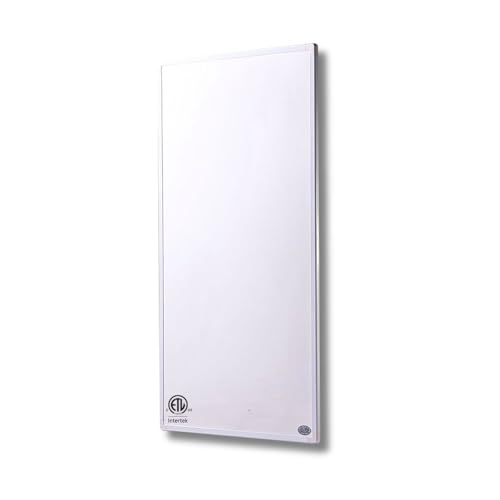
This infrared panel takes a different approach from the portable units above. Instead of trying to move heat around with a fan, it is designed as a fixed panel that can be wall mounted and used in places where you want quiet, even radiant warmth. The 600W output is lower than many full-size heaters, which makes it better suited to targeted comfort in a smaller indoor area such as a studio, office corner, or yoga space. The panel style also keeps the footprint low, which may matter in rooms where floor space is limited.
Its place on this list is less about raw output and more about how infrared heating can be deployed. For buyers comparing infrared heater vs ceramic heater, this product highlights the advantage of direct radiant warmth without fan noise or air movement. That makes it appealing for people who are sensitive to drafts, noise, or moving air. The trade-off is obvious. It is not the right choice for someone looking for fast whole-room heating, and installation is part of the decision. But for quiet, steady warmth in a fixed spot, it fills a useful niche.
Pros:
- Wall-mounted panel saves floor space
- Quiet operation with no fan noise
- Direct radiant heat feels steady and localized
- Low-profile design blends into the room
- Useful for spaces where airflow is undesirable
Cons:
- Lower wattage limits heating power
- Not a portable plug-and-move heater
This is a sensible option for buyers who want quiet infrared heat in a fixed location rather than a movable appliance. It is more specialized than most ceramic heaters, but that specialization is useful in the right setting.
Best for: Yoga studios, offices, and quiet rooms where mounted radiant heat is preferred.
Comfort Zone Compact Electric Space Heater
This Comfort Zone model is a classic example of a compact PTC ceramic heater. It uses fan-forced heat, offers high, low, and fan-only modes, and includes an adjustable thermostat for more controlled indoor use. The slim vertical design makes it easy to place on a floor or nearby surface, and the emphasis on low noise makes it more practical for offices or bedrooms than louder utility heaters. As with most ceramic heaters, the goal is to warm the surrounding air quickly in a contained indoor space.
It belongs in this roundup because it represents the kind of ceramic heater many readers actually end up choosing. It is simple, light, and inexpensive, but it still includes common safety features like tip-over and overheat protection. That makes it a useful comparison point against infrared units, especially for shoppers trying to decide whether direct radiant heat or fan-assisted heat makes more sense in a dorm, apartment, or small office. The trade-off is that it does not have the directional, quiet warmth that infrared heating can offer in draftier spaces.
Pros:
- Very low price for a PTC ceramic heater
- Compact shape works in tight spaces
- Three heat modes plus fan-only setting
- Quiet enough for bedside or office use
- Tip-over and overheat protection support safer operation
Cons:
- Best for small indoor spaces only
- Fan noise may still be noticeable in very quiet rooms
This heater is a practical pick for small-space users who want an inexpensive ceramic model with basic controls and safety features. It is straightforward, easy to move, and well matched to short-term supplemental heat.
Best for: Apartments, dorms, and small offices that need a simple ceramic heater.
How to Choose Between Infrared and Ceramic Heat
The most useful way to choose is to think about the space first, then the heater type. Infrared works well when you want direct warmth aimed at people or objects. That makes it a strong fit for garages, patios, work benches, and large open rooms where air-based heat tends to get lost. Ceramic heaters are usually a better fit when you want to warm a smaller enclosed room and you want the heater to circulate heat through the air.
Noise matters too. Infrared heaters are often quieter because they do not depend as heavily on a fan. Ceramic heaters usually produce more fan noise, but that same fan can help spread warmth more quickly in a closed room. Portability is another difference. Many ceramic heaters are compact and easy to move, while infrared models range from small portable units to mounted systems that are meant to stay in one place. Safety features are important for both types, but the right choice still depends on the room, the layout, and how often you plan to use the heater.
Common Mistakes Buyers Make
- Choosing by heater type alone. Room size, insulation, and layout matter just as much as infrared vs ceramic.
- Using a ceramic heater in the wrong space. Drafty garages and open patios usually call for infrared instead.
- Ignoring noise. A fan heater may be fine in a living room but distracting in a bedroom or office.
- Overlooking installation. Mounted infrared heaters can be a better long-term fit, but only if you are prepared for setup.
- Expecting one heater to solve everything. Most space heaters are best for supplemental heat, not full-home heating.
FAQ
Is an infrared heater better than a ceramic heater?
Neither type is better in every situation. Infrared heaters are usually better for direct, quiet, directional warmth and open spaces. Ceramic heaters are usually better for small indoor rooms where fast air warming and portability matter more.
Do infrared heaters use less electricity than ceramic heaters?
They can be efficient in the right setting, especially for zone heating, but electricity use depends on wattage, runtime, room size, and insulation. A heater that is well matched to the space often performs better than one with a lower or higher theoretical rating.
Which heater is quieter?
Infrared heaters are often quieter because many of them use little or no fan noise. Ceramic heaters usually include a fan, so they tend to be louder, though many are still quiet enough for ordinary indoor use.
Are ceramic heaters safe for overnight use?
Some are designed with tip-over and overheat protection, but overnight use still depends on the specific model and your room setup. Always follow the manufacturer’s instructions and keep heaters away from fabrics and other combustibles.
What is the main trade-off with infrared heaters?
They often provide more directional heat, which is useful in open or drafty spaces, but that also means they may not warm an entire enclosed room as evenly as a fan-forced ceramic heater.
Final Thoughts
If you need a heater for a small indoor room, a ceramic model is often the simpler and cheaper choice. If you are heating a garage, patio, workshop, or another space where air circulation works against you, infrared is usually the better match. The most useful comparison is not which type is better in general, but which one fits the room you actually plan to heat.