Glove liners can add useful warmth without forcing you into a bulky pair of winter gloves. The challenge is choosing liners that fit comfortably inside the gloves you already own. A thick fleece liner may feel warm by itself but restrict circulation under a close-fitting shell, while an ultrathin silk liner may preserve dexterity but provide less insulation.
The best glove liners match the activity, outer glove, and weather conditions. Merino wool is well suited to moisture management and changing activity levels. Silk minimizes bulk. Stretchy synthetic fabrics dry quickly and often provide better touchscreen control or grip. None of these materials replaces a weather-resistant outer glove in cold wind, rain, or snow.
Quick Answer
For a versatile natural-fiber liner, the Minus33 Merino Wool Glove Liner offers a useful balance of warmth, breathability, and layering flexibility. The Smartwool Liner Glove is a practical merino-blend alternative for shoppers who also want touchscreen capability. Active users may prefer the grippy Unigear Running Gloves, while the BORLENI Glove Liners provide a thin, inexpensive layer under fitted gloves.
For minimal bulk, consider the Terramar Thermasilk or Pure Silk Glove Liners. The Under Armour Storm Liner offers limited water repellency for damp commutes, and the Seirus Heatwave is designed for shoppers seeking additional warmth inside ski or snow gloves. The SIMARI Winter Gloves are thicker and better suited to standalone everyday use or roomy outer gloves.
Glove Liner Comparison
| Product | Best for | Material or construction | Layering profile | Notable trade-off |
|---|---|---|---|---|
| Unigear Running Gloves | Running and active use | Stretch synthetic fabric | Close-fitting, lightweight | Grip and touchscreen features add versatility, but weather protection is limited |
| Minus33 Merino Wool Liners | Natural-fiber warmth | 85% merino wool blend | Light knit base layer | Breathable and versatile, but lacks listed touchscreen functionality |
| Terramar Thermasilk Liners | Low-bulk layering | Silk-based liner fabric | Very thin | Preserves dexterity but provides modest standalone protection |
| SIMARI Winter Gloves | Everyday standalone wear | Polyester-spandex with flannel lining | Thicker than traditional liners | Warmer alone, but potentially bulky under close-fitting gloves |
| BORLENI Glove Liners | Budget layering | Polyester and spandex | Ultralight and stretchy | Good dexterity, but limited warmth when worn alone |
| Under Armour Storm Liner | Damp commutes and exercise | Soft synthetic knit with water-repellent treatment | Fitted first layer | Handles light moisture better than basic knit liners, but is not waterproof |
| Seirus Heatwave Glove Liner | Ski and snow glove layering | Heat-reflective synthetic construction | Form-fitting | Designed to boost warmth, but fit inside the outer glove remains critical |
| Smartwool Liner Glove | Merino blend with touchscreen use | Merino wool and recycled polyester blend | Lightweight knit | Breathable and functional, but costs more than basic synthetic liners |
| Pure Silk Glove Liners | Sensitive skin and very tight layering | Mulberry silk | Ultrathin | Smooth and low bulk, but vulnerable around rough surfaces |
Prices and availability can change. Fit, cuff design, and available sizes should be checked on the current product listing before ordering.
How We Chose These Glove Liners
These selections were evaluated using the listed materials, construction, intended activities, layering compatibility, care requirements, and functional features. Particular attention was given to the balance among warmth, dexterity, breathability, and bulk. A liner that works well for skiing may not be the most comfortable option for running or typing.
- Layering compatibility: A liner should fit inside an outer glove without compressing the fingers or palm.
- Warmth-to-bulk balance: Thin materials preserve movement, while thicker knits may provide more warmth but need additional space.
- Moisture management: Merino wool, silk, and performance synthetics handle perspiration differently.
- Dexterity: Close-fitting fingers are helpful when adjusting zippers, handling equipment, or using a phone.
- Weather protection: Most liners are not windproof or waterproof. Any water-repellent feature was treated as limited protection rather than full weatherproofing.
- Care and durability: Washability, drying needs, and vulnerability to abrasion affect everyday practicality.
- Distinct use: Each recommendation serves a specific need, such as active exercise, natural-fiber layering, added ski-glove warmth, or minimal bulk.
Our Top Picks
These nine liners are not ranked from strongest to weakest. Each emphasizes a different combination of warmth, fit, moisture control, touchscreen use, and price. Compare the liner’s thickness with the available space inside your outer glove before deciding. If the combination feels tight, a thinner liner or a roomier outer glove will generally be more useful than simply choosing the warmest-looking option.
Unigear Running Gloves

The Unigear Running Gloves are stretchy synthetic liners made for active use, including running, cycling, driving, and walking. Four-way stretch gives them a close profile that should fit beneath many larger winter gloves, although buyers need to compare the size chart with their hand measurements. The material is intended to move moisture away from the skin, which is useful during higher-output activity. Conductive fabric on the thumb and forefinger of both hands allows basic touchscreen use, while silicone printing across the palms improves grip on a phone, handlebar, or other smooth item. They can also be worn alone in cool, relatively calm conditions.
This pair is especially practical for people who alternate between using a liner and a light standalone glove. The combination of grip and touchscreen access makes it more functional for exercise and commuting than a plain knit liner. However, it does not have a listed waterproof membrane or substantial wind-blocking shell. In exposed winter weather, it should be treated as a breathable base layer rather than complete hand protection. The snug construction also means correct sizing matters, both for comfort and for reducing unnecessary stress on the seams.
Pros:
- Four-way stretch supports a close, dexterous fit
- Conductive thumb and forefinger on both hands
- Silicone palm print helps with grip
- Moisture-wicking synthetic fabric suits active use
- Can function alone in mild weather or beneath larger gloves
Cons:
- Does not provide substantial wind or water protection by itself
- Grip printing may create extra friction inside a tightly fitted outer glove
- Careful sizing is important for seam comfort and durability
The Unigear is a balanced option for runners, cyclists, and commuters who need dexterity more than heavy insulation. It offers more everyday functionality than a basic liner, but it still needs an appropriate shell glove when wind, snow, or colder conditions become the main concern.
Best for: Active users who want a grippy, touchscreen-compatible liner that can double as a light glove.
Minus33 Merino Wool Glove Liners

The Minus33 liners use an 85% merino wool, 10% stretch nylon, and 5% elastic blend. Merino wool helps manage moisture and remains comfortable across changing activity levels, while nylon and elastic add stretch and reinforcement to the knit. The manufacturer lists the size-large pair at 1.6 ounces, making this a lightweight base layer rather than a heavily insulated glove. These liners are intended for three-season use and can be worn beneath work, hunting, fishing, or snow-sport gloves. They may also provide enough coverage on their own for mild fall or spring conditions, depending on wind and individual cold sensitivity.
The high merino content distinguishes this pair from predominantly synthetic options. It is a sensible choice for people whose hands alternate between sweating during activity and cooling down during rest. The blend is listed as machine washable and dryable, which is convenient compared with some delicate wool or silk garments, though following the current care label remains advisable. There is no listed touchscreen treatment or palm grip. Anyone who frequently handles a phone or slick equipment may find a technical synthetic liner more practical.
Pros:
- High merino wool content supports moisture and temperature regulation
- Nylon and elastic improve stretch and everyday practicality
- Lightweight construction works under many outer gloves
- Suitable for standalone wear in mild conditions
- Listed as machine washable and dryable
Cons:
- No listed touchscreen-compatible fingertips
- No silicone or textured palm grip
- Knit liners do not replace a wind-resistant or waterproof shell
The Minus33 liner offers a useful middle ground between ultrathin silk and thicker fleece-lined gloves. Its strengths are breathability, natural-fiber comfort, and broad layering use. Choose it when moisture control and adaptable warmth matter more than touchscreen access or standalone weather protection.
Best for: Hiking, hunting, winter work, and snow sports where a breathable merino base layer is preferred.
Terramar Thermasilk Glove Liners
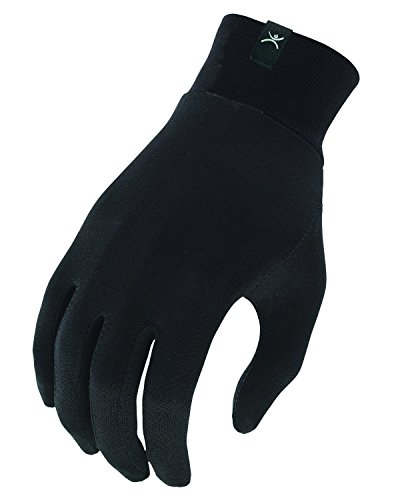
Terramar Thermasilk liners focus on low-bulk layering and moisture management. The manufacturer highlights its Climasense thermoregulation system along with fast-wicking, quick-drying performance. Silk-based liner fabric is useful when an outer glove fits too closely to accommodate a thicker wool or fleece layer. Its smooth surface can also make it easier to slide the hand into another glove. This design appears best suited to use beneath ski gloves, mittens, or everyday winter gloves rather than as primary protection in windy or wet weather.
These liners deserve consideration because a thin layer can sometimes work better than a warmer but bulkier one. Maintaining room around the fingers helps preserve mobility and avoids excessive compression. The trade-off is that a very light liner contributes less insulation than a substantial merino knit or plush synthetic glove. Product information is also relatively limited, so shoppers should verify the current fabric composition, sizing, and care instructions on the listing. This is primarily a streamlined layering choice, not a feature-heavy touchscreen or grip glove.
Pros:
- Thin profile fits under closer outer gloves
- Smooth construction supports easy layering
- Designed to wick moisture and dry quickly
- Preserves more dexterity than thick fleece liners
Cons:
- Provides limited warmth and weather protection when worn alone
- No listed touchscreen or palm-grip feature
- Current material and care details should be confirmed before purchase
The Terramar Thermasilk makes the most sense when space inside an outer glove is limited. It prioritizes a smooth feel, moisture control, and finger movement rather than maximum insulation. For cold, exposed conditions, pair it with a properly fitted insulated shell or mitten.
Best for: Skiers, commuters, and outdoor users who need the thinnest practical layer beneath fitted gloves.
SIMARI Winter Gloves
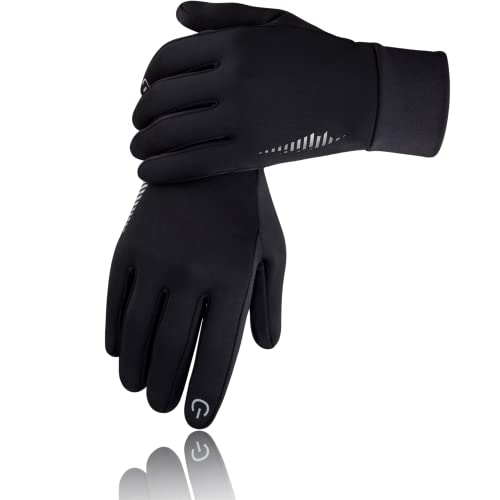
The SIMARI Winter Gloves are made from 95% polyester and 5% spandex with a flannel lining and elastic cuffs. This makes them more substantial than traditional silk or lightweight knit liners. Touchscreen-compatible fingers support phone, tablet, smartwatch, and vehicle-screen use, while silicone particles on the palms and fingers add traction. Reflective patterns on the backs of the gloves can improve visibility when illuminated, although they should not be treated as a replacement for dedicated lights or other high-visibility equipment. The design is aimed at running, walking, cycling, driving, and general cool-weather use.
This pair works best for shoppers who expect to wear their gloves alone much of the time but still want the option of layering beneath roomy mittens or shells. The flannel lining supplies more immediate warmth than an ultrathin liner, yet that extra material may cause crowding inside close-fitting ski or work gloves. Polyester and spandex should provide useful stretch and relatively quick drying, but there is no listed waterproof construction. For wet snow or sustained wind, an outer shell remains necessary. Check both hand measurements and the internal space of the outer glove before combining the two.
Pros:
- Flannel lining provides more standalone warmth than very thin liners
- Touchscreen-compatible design
- Silicone on the palm and fingers improves grip
- Stretch blend supports movement
- Reflective details add visibility when exposed to light
Cons:
- May be too thick for fitted outer gloves
- No listed waterproof membrane
- Potentially warmer and less breathable than needed for vigorous activity
SIMARI is the better fit for everyday walking, driving, and casual exercise than for tightly layered technical glove systems. It offers useful warmth and phone access by itself, but buyers seeking a true low-profile liner should consider silk, merino, or thinner stretch synthetics instead.
Best for: Casual winter use when standalone warmth, grip, and touchscreen control take priority over minimal bulk.
BORLENI Glove Liners

BORLENI Glove Liners use soft polyester and high-stretch spandex in a four-way stretch construction. According to the manufacturer, one glove weighs 12 grams, so this is among the lightest options in the group. The close profile is designed to improve dexterity beneath motorcycle, cycling, hiking, skiing, or other winter gloves. Synthetic fabric helps move perspiration away from the skin and may make damp outer gloves easier to remove. The compact design is also convenient for keeping in a pocket or gear bag as a spare layer.
The main appeal is simple: these liners add little bulk and are priced below many wool and silk alternatives. They are suited to people who want a moisture-managing barrier between the skin and an outer glove, not a large increase in insulation. The listing describes the sizing broadly, but hand dimensions vary considerably, so buyers should still check available measurements rather than assuming a universal fit. There is no listed touchscreen treatment, grip print, water resistance, or wind-blocking layer. When worn alone, they are most appropriate for mild conditions or short transitions.
Pros:
- Very lightweight and easy to pack
- Four-way stretch supports dexterity
- Thin construction fits beneath many outer gloves
- Synthetic fabric helps manage perspiration
- Budget-friendly option for occasional layering
Cons:
- Adds less warmth than wool, fleece-lined, or heat-reflective options
- No listed touchscreen or gripping surface
- Broad sizing claims may not account for every hand shape
BORLENI is a practical entry-level liner for reducing friction and moisture inside heavier gloves. It is less suitable for anyone expecting substantial standalone warmth. Its strongest role is as a thin, portable base layer for active use or as a backup pair in a winter gear kit.
Best for: Budget-conscious shoppers who need an ultralight liner beneath fitted riding, hiking, or ski gloves.
Under Armour Men’s Storm Liner
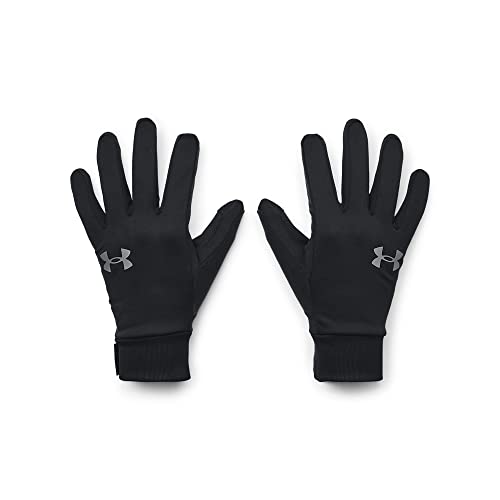
The Under Armour Storm Liner combines a smooth synthetic exterior with a plush interior and a fitted shape. UA Storm technology is designed to repel water while retaining breathability. That treatment can be useful in light drizzle, damp commutes, or brief contact with moisture, but these gloves should not be considered waterproof. Tech Touch panels on the thumbs and index fingers allow basic screen operation, and soft Speedwipe fleece on the back of the index finger and thumb provides a convenient surface during running or other outdoor exercise. The gloves can be worn alone or as the first layer in a roomier system.
Compared with a basic knit liner, this model provides a stronger mix of weather resistance and activity-focused details. It is particularly relevant for runners and commuters who encounter light moisture but do not need a fully insulated snow glove. The plush interior may offer more comfort and warmth than an ultrathin polyester liner, although it can also take up more room beneath a shell. The product is sold as a men’s liner and the supplied listing identifies a specific size, so buyers should inspect the current size range and measure their hands carefully.
Pros:
- Water-repellent treatment offers limited protection from light moisture
- Soft interior provides moderate warmth without heavy insulation
- Touchscreen panels on thumbs and index fingers
- Speedwipe fleece is useful during active wear
- Works alone or beneath a sufficiently roomy outer glove
Cons:
- Water repellent does not mean waterproof
- Plush interior may be too bulky under fitted gloves
- Buyers need to confirm the available size and intended fit
The Under Armour Storm Liner is a functional choice for exercise and everyday travel in cool, occasionally damp weather. Its water repellency gives it an advantage over untreated knit liners, but heavier precipitation, snow, and cold wind still call for a protective outer glove.
Best for: Running, walking, and commuting in cool conditions with occasional light moisture.
Seirus Heatwave Glove Liner

The Seirus Heatwave Glove Liner uses a heat-reflective design intended to return body heat toward the hand. The manufacturer states that its kinetic heat-return system can raise warmth by 4 to 5 degrees and provide 20% more warmth. Those are manufacturer claims rather than independent temperature guarantees, and actual comfort will depend on fit, wind, moisture, circulation, and the outer glove. The form-fitting design, stretchy cuff, and moisture-wicking construction make the liner suitable for use under ski gloves or mittens. It can also be worn alone in milder, drier conditions.
This option serves shoppers who want a warmer-feeling liner without moving directly to a thick fleece glove. Heat-reflective material works differently from lofted insulation, so the outer glove still plays the major role in blocking wind and trapping warm air. Fit is especially important. If the liner makes a ski glove tight across the fingers, the resulting compression may offset the intended benefit. The silver-toned reflective interior also gives the liner a more technical feel, but it does not add waterproofing or replace an insulated shell.
Pros:
- Heat-reflective design is intended to retain body warmth
- Form-fitting construction supports layering
- Stretch cuff helps cover the wrist
- Breathable, wicking fabric is useful during activity
- Can be worn alone in suitable mild conditions
Cons:
- Manufacturer warmth claims should not be treated as a guaranteed temperature rating
- No listed waterproof or windproof construction
- Performance may suffer if the liner makes the outer glove too tight
The Seirus Heatwave is best viewed as a specialized warmth-boosting layer for an existing winter glove system. It can be a useful choice for skiing and snow activities, provided the outer gloves have enough room and already offer appropriate insulation and weather protection.
Best for: Skiers and winter recreation users who want a heat-reflective layer inside roomy gloves or mittens.
Smartwool Liner Glove

The Smartwool Liner Glove combines merino wool with recycled polyester. Merino helps transport moisture and regulate comfort, while polyester generally improves durability and drying speed compared with a delicate all-wool knit. Touchscreen capability is knitted into the thumb and index finger, allowing the wearer to handle routine phone tasks without fully exposing the hand. A rib-knit cuff keeps the wrist area relatively trim, and the lightweight construction is intended for use alone on cool days or beneath another glove in colder conditions.
This is a useful compromise for shoppers who like the moisture management of merino but do not want to give up touchscreen access. It is more feature-rich than the Minus33 liner in that respect, though it has a lower stated emphasis on wool content and comes at a higher listed price than several synthetic choices. A knitted liner still offers little resistance to strong wind or wet snow. Touchscreen performance can also vary with screen protectors, fingertip fit, and the specific device, so it should be considered a convenience rather than a substitute for bare-finger precision.
Pros:
- Merino wool blend helps manage moisture and changing activity levels
- Recycled polyester adds practical durability
- Touchscreen capability on the thumb and index finger
- Rib-knit cuff minimizes wrist bulk
- Versatile for standalone wear or layering
Cons:
- Costs more than many basic synthetic liners
- Knit fabric provides little wind or precipitation protection
- Touchscreen response may depend on fit and device sensitivity
The Smartwool Liner Glove is a strong everyday option for people who value merino comfort and regular phone access. It suits hiking, commuting, travel, and casual outdoor use, but it should be paired with a protective shell when conditions turn wet, windy, or substantially colder.
Best for: Everyday users who want a breathable merino-blend liner with touchscreen capability.
Pure Silk Glove Liners

These Pure Silk Glove Liners are made from mulberry silk and designed to sit close to the hand. The fabric’s smooth surface is useful beneath fitted winter gloves because it adds little bulk and reduces friction when inserting or removing the hand. The manufacturer describes the material as suitable for sensitive or dry skin, although individual sensitivities can vary. The liners can be worn alone in temperate conditions, but their primary role is as a light insulating and comfort layer under winter gloves. A wash bag is included for machine laundering.
Silk differs from thicker wool and synthetic fleece by prioritizing softness, dexterity, and minimal thickness. This makes it a sensible option for dress gloves, close-fitting leather gloves, or anyone who finds conventional knit liners too bulky. The compromise is abrasion resistance. The manufacturer specifically advises avoiding rough surfaces, which means these are not well suited to handling firewood, tools, hook-and-loop fasteners, or abrasive sports equipment without a protective outer glove. Care also requires cool water, gentle detergent, and air drying rather than high heat.
Pros:
- Ultrathin construction fits inside close-fitting gloves
- Smooth silk makes layering easier
- Preserves fine finger movement
- Natural fabric may feel comfortable against dry or sensitive skin
- Wash bag is included
Cons:
- Not intended for contact with rough or abrasive surfaces
- Provides limited standalone wind and weather protection
- Requires gentle washing and air drying
These silk liners are most useful when comfort and low bulk matter more than ruggedness. They can add a subtle layer beneath close-fitting gloves without greatly changing hand movement. For work, skiing, or rough gear handling, keep them fully covered by a durable outer glove.
Best for: Sensitive skin, dress gloves, travel, and glove systems with very little room for an extra layer.
How to Choose the Best Glove Liners
Start With the Outer Glove
A glove liner is only effective when it works with the outer glove. Put on the intended liner and outer glove together, then make a relaxed fist and spread the fingers. The combination should not pinch the fingertips, pull tightly across the knuckles, or make the hand feel numb.
Insulation works partly by retaining warm air. If an added liner compresses the outer glove’s insulation or restricts circulation, the hand may feel colder rather than warmer. Close-fitting ski, leather, and work gloves often pair better with silk or ultrathin synthetics. Roomier mittens can accommodate thicker merino, fleece-lined, or heat-reflective liners.
Choose the Material for the Activity
| Material | Main advantages | Common limitations | Typical use |
|---|---|---|---|
| Merino wool | Breathable, manages moisture, comfortable across changing activity levels | Usually costs more and may dry more slowly than thin polyester | Hiking, skiing, hunting, and general layering |
| Polyester and spandex | Stretchy, quick drying, affordable, often available with grip or touchscreen features | Warmth varies widely, and thin versions offer little weather protection | Running, cycling, commuting, and everyday use |
| Silk | Very thin, smooth, dexterous, easy to fit under close gloves | Delicate around abrasion and modest in standalone warmth | Dress gloves, fitted shells, travel, and sensitive skin |
| Heat-reflective synthetic | Designed to return some body heat without thick loft | Still depends on proper fit and a protective outer glove | Ski gloves, mittens, and snow-sport layering |
| Fleece-lined synthetic | Warmer when worn alone and comfortable for casual use | Bulkier and potentially too warm during vigorous activity | Walking, driving, commuting, and light exercise |
Match Warmth to Activity Level
Running, uphill hiking, and active cycling generate more heat and perspiration than waiting at a bus stop or sitting on a ski lift. For active use, a thin moisture-wicking liner can be more comfortable than a plush glove. During low-output activities, a merino, fleece-lined, or heat-reflective liner may provide more useful warmth.
People also differ in circulation and cold sensitivity. Product materials can suggest relative warmth, but they cannot establish one reliable temperature range for every wearer. Wind, dampness, altitude, duration outdoors, and the insulation in the outer glove all affect comfort.
Do Not Confuse a Liner With a Weatherproof Shell
Most glove liners are breathable base layers. Knit wool, silk, and stretch polyester allow wind to pass through and are not designed for prolonged contact with rain or wet snow. Even a water-repellent liner, such as the Under Armour Storm model, is not equivalent to a waterproof glove.
For winter sports or exposed weather, the outer glove should provide the necessary wind and precipitation protection. A wet liner can draw heat from the hand, so carrying a dry spare pair is sensible during longer trips.
Check Finger Length and Cuff Fit
A liner should lie close to the fingertips without leaving folds or pulling the finger seams tight. Excess fabric reduces dexterity and may bunch inside the outer glove. A liner that is too short can press against the fingertips and strain the webbing between the fingers.
Cuffs should overlap the sleeve or sit securely beneath the outer glove’s cuff. A longer cuff reduces exposed skin, while a low-profile rib-knit cuff may layer more comfortably beneath a watch or fitted jacket sleeve.
Consider Touchscreen and Grip Features Carefully
Touchscreen-compatible fingertips are helpful for checking maps, answering calls, or operating a smartwatch. Performance depends on how closely the conductive area contacts the finger and screen. Thick screen protectors, loose fingertips, and very dry conditions may reduce responsiveness.
Silicone palm prints improve grip when a liner is worn alone. Inside another glove, however, aggressive grip material can create friction and make removal more difficult. A plain, smooth liner may be more convenient for frequent layering.
Review Care Requirements
Sweat, skin oils, and moisture accumulate inside liners. Regular cleaning helps maintain comfort and reduces odor. Synthetic models generally dry quickly, while silk and some wool garments benefit from gentler handling. Always follow the sewn-in care label because instructions can vary even within the same material category.
- Fasten hook-and-loop straps on other garments before washing delicate liners.
- Use a mesh wash bag for silk or fine knits when machine washing is permitted.
- Avoid high heat unless the manufacturer specifically allows machine drying.
- Dry liners fully before storing them inside outer gloves.
- Carry a second pair when wet conditions or heavy perspiration are expected.
Common Glove Liner Mistakes
Adding a Thick Liner to an Already Tight Glove
More material does not automatically mean warmer hands. A tight combination can compress insulation, limit finger movement, and interfere with circulation. If the outer glove fits closely, start with a thin silk or lightweight synthetic liner.
Expecting Liners to Stop Wind or Rain
Most liners have porous fabric and exposed seams. They may feel comfortable during calm weather but lose warmth quickly in wind. Use an appropriate shell glove or mitten whenever the forecast includes significant wind, rain, or wet snow.
Choosing Warmth Without Considering Perspiration
Hands can become damp during running, shoveling, hiking, or skiing. A liner that is too warm may trap excess sweat, followed by rapid cooling during rest. Breathable merino or thin synthetic fabric is generally better suited to high-output movement than a thick flannel lining.
Ignoring Finger Shape and Length
Small, medium, and large labels do not describe every hand. Palm circumference, hand length, and finger proportions all matter. Check the manufacturer’s measurements and return policy, especially when a close fit is needed for touchscreen control.
Handling Rough Equipment in Delicate Liners
Silk and fine merino liners can snag on rough wood, metal edges, zippers, or hook-and-loop closures. Put on the outer glove before handling abrasive items. A grippy synthetic liner is more appropriate when the liner will frequently be used alone.
Frequently Asked Questions
Do glove liners actually make hands warmer?
They can. A liner adds an insulating layer and may help manage perspiration. The benefit depends on fit and material. If the liner makes the outer glove too tight, restricted movement and compressed insulation may reduce warmth. Liners work best when the outer glove has enough room for them.
Which material is warmest for glove liners?
There is no universal answer because thickness, fit, moisture, and the outer glove all matter. Merino wool offers a useful combination of warmth and moisture management. Fleece-lined synthetics often feel warmer when worn alone, while heat-reflective liners are designed to retain body heat with less bulk. Silk is thinner and usually chosen for fit and dexterity rather than maximum insulation.
Are silk or merino wool glove liners better?
Silk is generally thinner and smoother, making it better for close-fitting gloves. Merino wool usually provides more loft and handles changing activity levels well, but it may require more room. Choose silk when space is limited and merino when moisture management and adaptable warmth are higher priorities.
Can glove liners be worn by themselves?
Many can be worn alone in mild, dry, and relatively calm conditions. Models with touchscreen fingertips and silicone grips are particularly convenient for this purpose. Thin liners should not be relied on as primary protection in cold wind, rain, or wet snow.
Should glove liners fit tightly?
They should fit close to the skin without pinching, pulling at the finger webbing, or limiting movement. Loose fabric may bunch inside the outer glove, but excessive tightness can feel uncomfortable and interfere with circulation. A smooth, wrinkle-free fit is the goal.
Are glove liners useful for skiing?
Yes, especially when the ski glove or mitten has enough internal space. Liners can add warmth, manage perspiration, and provide brief hand coverage when adjusting equipment. They should not compromise grip or make the ski glove tight. A removable liner also makes it easier to switch to a dry pair during the day.
Can I use touchscreen glove liners under regular gloves?
You can, but the touchscreen feature only helps after the outer glove is removed unless that glove is also touchscreen compatible. A liner keeps the skin covered while you briefly operate the device. Close fingertip fit usually produces better screen response.
How many pairs of glove liners do I need?
One pair may be enough for commuting and occasional use. Two pairs are useful for skiing, hiking, winter work, or travel because one can dry while the other is worn. Carrying a dry spare is particularly helpful when perspiration or precipitation is likely.
How should glove liners be washed?
Follow the product’s care label. Many synthetic and some merino liners can be machine washed, while silk and delicate knits often require cool water, mild detergent, and air drying. Avoid fabric softener when the manufacturer warns against it, since residue can affect moisture-wicking performance.
Final Recommendations
The Minus33 Merino Wool Glove Liner is a versatile starting point for shoppers who want natural-fiber warmth and moisture management. Choose the Smartwool Liner Glove if touchscreen access is also important. For running and cycling, the Unigear Running Gloves offer a useful combination of stretch, grip, and phone control, while the Under Armour Storm Liner is better suited to occasional light moisture.
When space inside the outer glove is limited, the Terramar Thermasilk, BORLENI, or Pure Silk liners minimize bulk. The Seirus Heatwave is designed for an added warmth boost within a ski or snow-glove system. For casual standalone wear, the thicker SIMARI Winter Gloves provide more immediate warmth but require a roomier shell for layering. Whichever material you choose, prioritize unrestricted finger movement and a comfortable combined fit over thickness alone.