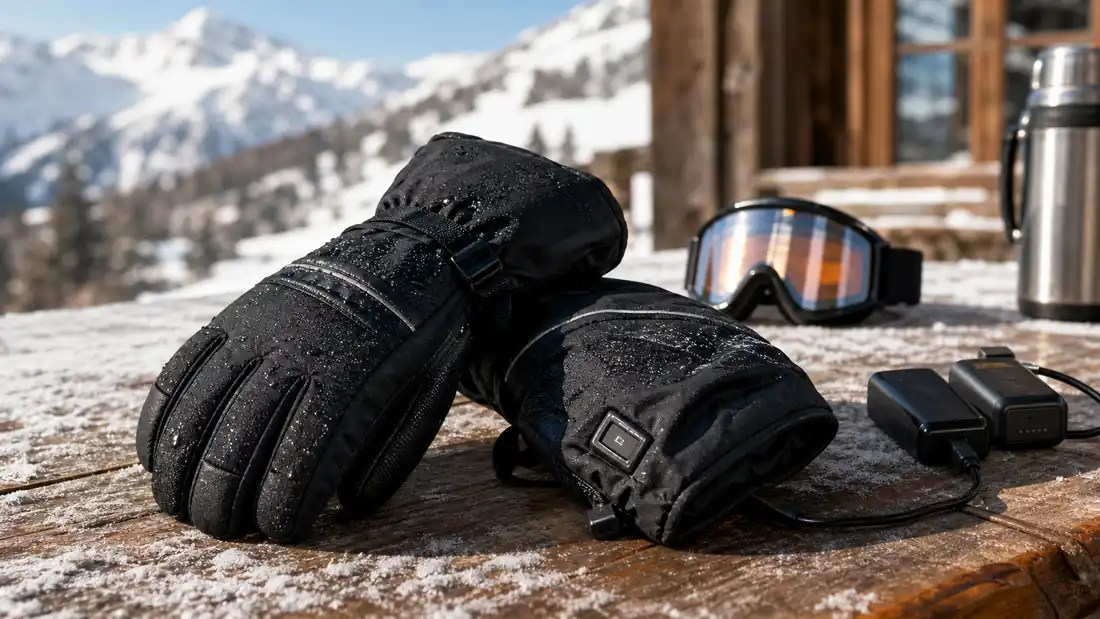
Cold hands can make a winter commute, ski day, hunting sit, or motorcycle ride feel much longer than it is. Regular insulated gloves help by trapping body heat, but they do not create warmth on their own. Waterproof heated gloves add battery-powered heating elements, usually across the back of the hand and fingers, while also helping block snow, slush, wind, and light winter moisture.
The best waterproof heated gloves are not all built for the same purpose. A ski glove needs insulation, wrist closure, and snow protection. A motorcycle glove may need abrasion resistance, knuckle protection, and a wired power option. A liner glove should stay thin enough to fit under a shell. Before choosing, it helps to think about how long you will be outside, how wet the conditions are, how much finger dexterity you need, and whether you prefer a glove or mitten design.
Quick Answer
For most winter users, the SAVIOR HEAT Upgraded Rechargeable Heated Gloves offer the strongest balance of waterproof protection, rechargeable heat, insulation, and everyday versatility for skiing, shoveling, commuting, and general outdoor use. If you ride in winter, the SAVIOR Professional Heated Motorcycle Gloves are better suited to motorcycle use because they include protective construction and dual power options. For layering, the Royalrose Heated Gloves Liners are the better choice because they are thinner and designed to fit under another glove in harsher weather.
Budget shoppers should look at the immtree Heated Gloves or ALI SEA Heated Gloves, both of which offer rechargeable heat and basic winter protection at a lower price. For stationary cold-weather activities where maximum finger separation is less important, the Heated Mittens Gloves provide a warmer mitten-style alternative.
Comparison Table
| Product | Best For | Heating and Battery | Weather Protection | Notable Trade-Off |
|---|---|---|---|---|
| SAVIOR HEAT Upgraded Rechargeable Heated Gloves | All-around winter use and snow sports | 7.4V 3000mAh batteries, up to 10 hours on low per manufacturer listing | DWR shell and waterproof inner pouch | More expensive than basic heated gloves |
| immtree Heated Gloves | Budget rechargeable heated gloves | Two 3000mAh batteries, 3 heat levels | Waterproof outer layer for snow and light moisture | Lower-cost construction may not suit heavy-duty use |
| Royalrose Heated Gloves Liners | Layering under winter shells | 7.4V 2500mAh battery, 3 heat settings | Windproof and splash-resistant liner design | Needs an outer glove for harsher wet or very cold conditions |
| GUMOCH Heated Motorcycle Gloves | Motorcycle and cycling use | 7.4V 3000mAh batteries plus 12V power cord | Waterproof and windproof construction | Protective shell adds bulk compared with casual gloves |
| SAVIOR Professional Heated Motorcycle Gloves | Premium winter riding | Battery or direct 12V motorcycle power | Laminated waterproofing and wind protection | Riding-focused design may be more glove than casual users need |
| Heated Mittens Gloves | Cold hands, skiing, and stationary outdoor use | 7.4V 3000mAh battery, up to 8 hours on low per manufacturer listing | Waterproof and windproof design | Less finger dexterity than standard gloves |
| SAVIOR HEAT Upgraded Heated Hunting Gloves | Hunting and long cold sits | 3000mAh batteries, up to 11 hours on low per manufacturer listing | Waterproof TPU shell and waterproof battery zipper | Higher price and specialized camo design |
| ALI SEA Heated Gloves | Low-cost everyday winter activities | Rechargeable batteries, 3 heat modes, up to 8 hours on low per manufacturer listing | Double-layer waterproof fabric and wind-blocking cuffs | Brand and long-term durability are less established |
How We Chose These Waterproof Heated Gloves
Waterproof heated gloves were evaluated by how useful they appear for real winter conditions, not just by how warm the listing claims they can get. The most important factors were heating coverage, battery system, weather protection, insulation, fit and dexterity, cuff design, and intended activity.
We also looked for meaningful differences between products. A thin heated liner is not meant to solve the same problem as a motorcycle glove, and a mitten-style heated glove will suit a different user than a touchscreen ski glove. Manufacturer specifications were used for battery capacity, claimed heating range, heat settings, and listed materials. Because waterproofing claims vary widely between brands, the recommendations below avoid treating every glove as equally protective in prolonged rain or wet snow.
Our Top Picks
These recommendations are organized by use case rather than ranked from best to worst. Some are better for skiing and shoveling, while others make more sense for riding, hunting, layering, or staying within a tighter budget. Compare the strengths, limitations, and intended conditions before choosing a pair.
SAVIOR HEAT Upgraded Rechargeable Heated Gloves

The SAVIOR HEAT Upgraded Rechargeable Heated Gloves are a strong all-around option for people who want one heated glove for skiing, snowboarding, commuting, shoveling, camping, or winter chores. They use removable 7.4V 3000mAh battery packs and three heat levels, with manufacturer-listed heating that reaches up to 150°F on the highest setting. The heating elements extend from the back of the hand toward the fingertips, which is useful because fingertips are often the first area to feel cold in regular insulated gloves.
Weather protection is also more complete than many basic heated gloves. The listing describes a water-resistant DWR shell along with a waterproof inner pouch to help protect the battery and electronics. A wrist strap and drawstring cuff help seal out drafts and blowing snow. These gloves are not the cheapest option, and they may feel bulkier than thin commuter gloves, but they make sense for buyers who want a more insulated, snow-ready heated glove rather than a light liner or casual touchscreen glove.
Pros:
- Wide heating coverage from the back of the hand toward the fingertips
- 7.4V 3000mAh rechargeable batteries with up to 10 hours on low according to the manufacturer
- DWR shell and waterproof battery pouch add useful moisture protection
- Touchscreen thumb and index finger help with phone use in cold weather
- Drawstring cuff and wrist strap improve fit around jacket sleeves
Cons:
- Costs more than many basic rechargeable heated gloves
- Insulated ski-style build may feel bulky for high-dexterity tasks
- Run time will be shorter on higher heat settings
This is one of the most balanced choices for shoppers looking for the best waterproof heated gloves for mixed winter use. It combines battery heat, insulation, snow protection, and everyday usability without being limited to one narrow activity.
Best for: Skiing, snowboarding, winter commuting, shoveling, and general cold-weather outdoor use.
immtree Heated Gloves

The immtree Heated Gloves are a budget-friendly rechargeable option for people who want battery-powered warmth without spending as much as they would on a premium ski or motorcycle glove. They include two 3000mAh rechargeable batteries, three heat settings, and manufacturer-listed heat output from 100°F to 160°F depending on the mode. The heating wire design is described as wrapping around the fingers and covering the palm area, which gives these gloves broader heating coverage than models that warm only the back of the hand.
The outer layer is listed as waterproof, with insulated fabric, anti-slip grip areas, and touchscreen-compatible fingertips. That combination makes them practical for dog walking, driving, light snow clearing, hiking, hunting, and casual winter use. The main trade-off is durability expectation. At this price level, they are less likely to match the structure, cuff sealing, or long-term ruggedness of higher-end gloves. Still, they are a reasonable entry point for buyers who want rechargeable heated gloves for occasional cold-weather use.
Pros:
- Lower price than most rechargeable heated gloves
- Includes two 3000mAh rechargeable batteries
- Heating elements are described as covering the palm and fingers
- Touchscreen fingertips and anti-slip palms improve everyday usability
- Available in multiple sizes for a broader range of users
Cons:
- Not as specialized as ski, hunting, or motorcycle heated gloves
- May not provide the same durability or cuff protection as premium models
- Battery life depends heavily on the selected heat setting
The immtree gloves are best viewed as a value pick for moderate winter use. They offer rechargeable heat and useful features at a lower cost, but frequent riders, serious skiers, and outdoor workers may want a more protective glove.
Best for: Budget shoppers, dog walking, driving, casual winter activities, and occasional snow use.
Royalrose Heated Gloves Liners

The Royalrose Heated Gloves Liners are different from most gloves in this guide because they are designed as thin heated liners rather than full winter shell gloves. They use a Lycra outer material with a velvet-style inner lining, a 7.4V 2500mAh battery, and three temperature settings. The manufacturer lists a run time of about 2.5 to 7 hours depending on heat level. Their lower-profile design makes them useful for people who want active heat under ski gloves, work gloves, riding gloves, or heavier shells.
Because these are liners, the weather protection should be understood carefully. The listing describes them as windproof and splash-resistant, but the manufacturer also notes that an additional outdoor glove is recommended for stronger protection in extreme cold or harsher outdoor conditions. That is not a weakness if you are shopping specifically for a liner. In fact, it is the main reason to choose them. They offer more dexterity and layering flexibility than bulky heated gloves, but they are not meant to replace a waterproof winter shell in wet snow.
Pros:
- Thin liner design works under many outer gloves
- 7.4V battery system with three heat settings
- Good option for people who need more dexterity than bulky heated gloves allow
- Touchscreen-compatible thumb and index finger
- Moisture-wicking lining can be helpful during active use
Cons:
- Not a stand-alone glove for very wet or harsh winter conditions
- Requires enough room inside an outer glove for comfortable layering
- Shorter maximum run time than some larger heated gloves
Choose the Royalrose liners if your main goal is adding heat inside an existing glove system. They are especially useful for layering, but buyers should not expect them to provide the same weather barrier as a full waterproof ski glove.
Best for: Layering under ski gloves, work gloves, driving gloves, and winter shells.
GUMOCH Heated Motorcycle Gloves

The GUMOCH Heated Motorcycle Gloves are built for riders who need warmth, grip, and a more protective glove structure than a standard winter glove provides. They include two 7.4V 3000mAh rechargeable batteries along with a 12V DC power supply cord, giving riders the option to use battery power for shorter trips or connect to riding equipment for longer use. The three heat settings are listed at 113°F, 122°F, and 140°F, and the manufacturer notes that the gloves begin warming quickly after power-on.
The riding-focused design includes a hard carbon fiber shell on the back of the hand, anti-slip pads, wear-resistant microfiber areas, reflective piping, and touchscreen material on the thumb and forefinger. The gloves are described as waterproof and windproof, which is important for winter riding because wind chill can overwhelm ordinary insulation quickly. They are less ideal for people who simply want a soft glove for walking or errands, since the protective construction can add stiffness and bulk. For motorcycle and e-bike use, that structure is part of the appeal.
Pros:
- Dual power design supports battery use or 12V connection
- Carbon fiber shell and abrasion-resistant areas suit riding use
- Three temperature settings with clearly listed heat levels
- Waterproof and windproof construction helps reduce winter wind chill
- Touchscreen thumb and forefinger are useful for navigation stops
Cons:
- Bulkier and stiffer than casual winter gloves
- Riding-specific design may be unnecessary for walking or commuting by car
- Wired setup requires more attention to routing and compatibility
The GUMOCH gloves are a practical value pick for winter riders who want heated gloves with protection and flexible power options. They are not the softest everyday gloves, but they are more purpose-built for handlebar use than general heated winter gloves.
Best for: Motorcycle riding, cycling, e-bike use, and other cold-weather handlebar activities.
SAVIOR Professional Heated Motorcycle Gloves

The SAVIOR Professional Heated Motorcycle Gloves are a more premium riding-oriented option for people who spend serious time on a motorcycle in cold weather. They can run from two 7.4V 3000mAh lithium batteries or connect directly through a 12V charging cord for continuous power when properly set up. The heat settings are listed from 40°C to 60°C, and the glove includes a power indicator so riders can monitor remaining battery capacity more easily.
Construction is where these gloves separate themselves from ordinary heated winter gloves. The listing describes goatskin leather, a carbon fiber protective shell, rubber padding around the knuckles, a touchscreen sensor, a wiper blade on the index finger, laminated waterproofing, wind protection, and a non-slip palm. They also include overheat protection that automatically drops from the highest setting to medium after five minutes. These are likely more than a casual user needs, but for riders, the combination of warmth, protection, and dual power makes them one of the better waterproof heated gloves to consider.
Pros:
- Can use battery power or direct 12V motorcycle power
- Goatskin leather and protective elements are better suited to riding
- Laminated waterproofing and wind protection help in harsh riding conditions
- Overheat protection automatically reduces heat after initial high setting
- Includes practical riding details such as touchscreen support and index-finger wiper
Cons:
- Higher price than many general heated gloves
- Riding-focused build may feel bulky for casual winter tasks
- Direct power setup is less convenient than simple battery-only gloves
These SAVIOR motorcycle gloves make the most sense for riders who prioritize winter road use over casual versatility. They combine heating, protective materials, and weather resistance in a way that standard snow gloves usually do not.
Best for: Winter motorcycle riders who want heated gloves with protective construction and wired power capability.
Heated Mittens Gloves

These Heated Mittens Gloves are a good option for people whose fingers get cold quickly and who do not need the same dexterity that separate-finger gloves provide. Mittens often feel warmer because the fingers share heat in one chamber, and this model adds battery-powered warmth using a 7.4V 3000mAh lithium battery system. The manufacturer lists up to 8 hours of heat on low and describes heating coverage across the back of the hand, fingers, and fingertips.
The construction uses multiple material layers, a velvet lining, a superfine fiber palm, and a waterproof and windproof design. A power display on the switch panel helps users keep track of battery status, which is useful for skiing, fishing, hiking, and winter outdoor work. The limitation is predictable: mittens are less precise than gloves. Tasks like adjusting small buckles, operating zippers, handling tools, or using a phone may be less convenient, even though the thumb has touchscreen functionality. For warmth-first users, that trade-off may be worthwhile.
Pros:
- Mitten-style design can feel warmer than separate-finger gloves
- 7.4V 3000mAh battery system with up to 8 hours on low according to the manufacturer
- Heating coverage extends toward the fingertips
- Waterproof and windproof construction for snow and winter moisture
- Power display helps monitor remaining charge
Cons:
- Less dexterity than standard heated gloves
- Touchscreen function is limited compared with multi-finger glove designs
- May feel bulky for driving or detailed work
These heated mittens are best for people who place warmth above fine control. They are a sensible choice for cold hands, ski days, ice fishing, or slower outdoor activities where finger dexterity is less important.
Best for: Skiing, fishing, snow shoveling, winter walks, and people who prefer mitten warmth.
SAVIOR HEAT Upgraded Heated Hunting Gloves

The SAVIOR HEAT Upgraded Heated Hunting Gloves are designed for hunters and other users who spend long periods sitting or moving slowly in cold, wet conditions. They use 3000mAh battery packs, three heat levels, and manufacturer-listed run time up to 11 hours on low. The heating elements extend from the back of the hand toward the fingertips, with extra attention to thumb warmth. The gloves also include 3M Thinsulate insulation, which helps retain warmth without relying only on battery heat.
The hunting-specific details are the main reason to consider this model. The camo fabric is described as low-rustle, the indicator light turns off after a short period to reduce visibility, and the index finger has a flip-back design with silent magnets for more precise trigger or gear handling. A waterproof TPU shell and waterproof battery zipper help protect the electronics from wet conditions. These features make the gloves more specialized and more expensive, but they are useful if your winter activity involves waiting quietly rather than moving continuously.
Pros:
- Designed specifically for hunting and long cold sits
- Up to 11 hours on low according to the manufacturer
- 3M Thinsulate insulation adds passive warmth
- Flip-back index finger improves precision without fully removing the glove
- Waterproof TPU shell and waterproof battery zipper help protect electronics
Cons:
- Higher price than general-purpose heated gloves
- Camo design and hunting features may not appeal to everyday users
- Specialized design is less necessary for high-movement activities
These are not the simplest heated gloves, but they serve a clear purpose. They are best for hunters, wildlife watchers, and other cold-weather users who need warmth, quiet materials, weather protection, and occasional finger access.
Best for: Hunting, duck blinds, wildlife observation, cold range days, and long stationary outdoor use.
ALI SEA Heated Gloves

The ALI SEA Heated Gloves are another lower-cost rechargeable option for people who want heated winter gloves for general outdoor use. The heating wires are described as covering each finger and the back of the hand, with three heat modes and a manufacturer-listed maximum run time of up to 8 hours on low. The gloves use cotton, fleece, and double-layer waterproof fabric, with adjustable cuffs, wrist straps, and a drawstring closure to help reduce drafts.
They also include touchscreen-compatible fingertips, non-slip palm material, reflective strips, and a four-segment battery indicator. Those details make them practical for walking, cycling, hiking, fishing, snow shoveling, and daily winter tasks. The main caution is that these are not as established as higher-priced options from brands with more specialized ski or motorcycle designs. They may be a good fit for occasional use or as a first pair of heated gloves, but heavy outdoor workers and frequent winter riders may prefer something more rugged.
Pros:
- Affordable rechargeable heated glove option
- Heating coverage includes fingers and back of hand according to the listing
- Three heat modes with battery indicator
- Double-layer waterproof fabric and adjustable cuffs help manage wet snow and wind
- Touchscreen fingertips and anti-slip palms are useful for everyday tasks
Cons:
- Less proven than more established heated glove brands
- Not as protective as motorcycle-specific gloves
- May not be ideal for frequent heavy-duty outdoor work
The ALI SEA gloves are a reasonable low-cost choice for casual winter use when rechargeable heat matters more than premium materials. They offer many convenient features, but buyers with demanding conditions should weigh the value against long-term durability needs.
Best for: Everyday winter wear, walking, light snow chores, cycling, fishing, and budget-conscious buyers.
Buying Guide: How to Choose Waterproof Heated Gloves
Match the Glove to the Activity
The right heated glove depends heavily on how you spend time outside. Skiers and snowboarders usually need insulation, a secure cuff, and reliable snow protection. Motorcycle riders need wind blocking, grip, and protective materials. Hunters often need quiet fabric, long battery life, and enough dexterity to handle gear. People walking dogs or commuting may prefer lighter gloves with easier touchscreen use.
A glove that is warm while standing still can feel too bulky during active hiking. A thin heated liner may feel comfortable while driving but underpowered in wet snow unless paired with an outer shell. Start with your activity first, then compare heat output and features.
Understand Waterproof vs. Water-Resistant
Many heated gloves are described as waterproof, but not all waterproof claims mean the same thing. A glove may have a waterproof shell fabric, a water-resistant coating, a waterproof insert, or a protected battery pocket. These designs can help in snow and slush, but prolonged rain, pressure from gripping wet handlebars, or repeated soaking can still challenge seams and closures.
For skiing, snow shoveling, and wet winter walks, look for longer cuffs, drawstring closures, wrist straps, and protected battery compartments. For all-day wet conditions, avoid assuming a heated glove will perform like a dedicated waterproof mountaineering shell unless the manufacturer provides clear waterproof construction details.
Look at Heating Coverage, Not Just Temperature Claims
High heat numbers can sound appealing, but heating coverage matters just as much. Gloves that warm only the back of the hand may not help fingertips as much as gloves with elements extending toward the fingers. If your fingertips get cold quickly, look for listed heating coverage across the fingers or fingertips.
Temperature settings are also affected by outdoor conditions, wind exposure, battery charge, and how well the glove fits. A loose glove may feel colder because warm air escapes. A glove that is too tight can reduce circulation, which makes cold fingers worse even when the heater is on.
Battery Life Depends on Heat Setting
Most heated glove listings advertise the longest run time on the lowest heat setting. That can be helpful for mild cold or low-output activities, but high heat drains batteries faster. If you plan to ski all day, ride for long distances, or sit in a hunting blind, assume you may need to use medium or high heat at times.
For long outings, consider gloves with larger batteries, dual power options, or replaceable battery packs. Motorcycle riders may benefit from gloves that can connect to a 12V system. Casual users may be fine with simpler rechargeable gloves if they only need warmth for short walks or errands.
Consider Fit, Dexterity, and Layering
Heated gloves contain batteries, wires, insulation, and weather barriers, so they are often bulkier than regular gloves. That is not always a problem, but it affects how well you can operate zippers, phones, ski bindings, tools, or motorcycle controls.
If dexterity is a priority, heated liners may be better than thick heated gloves. If warmth is the priority, a mitten-style heated glove may be more comfortable. Always check the size chart before ordering, especially if you have broad palms, long fingers, or plan to wear liners underneath.
Check Safety and Care Instructions
Battery-powered gloves should be used according to the manufacturer’s instructions. Fully charge the batteries before first use, avoid folding or crushing heating elements sharply, and remove batteries before cleaning. Do not submerge heated gloves unless the manufacturer specifically states that the glove is safe for that type of washing.
If a glove feels unusually hot, smells odd, or the battery compartment becomes uncomfortable, turn it off and inspect it. People with reduced sensation in their hands should be cautious with high heat settings because they may not notice overheating as quickly.
Common Mistakes When Buying Heated Waterproof Gloves
- Choosing only by maximum temperature: Heating coverage, insulation, fit, and wind protection often matter more in real use.
- Ignoring battery run time on high: Long advertised run times usually apply to low heat, not maximum heat.
- Buying ski gloves for motorcycle use: Ski gloves are warm, but they may lack riding protection and grip features.
- Expecting liners to replace shell gloves: Heated liners are useful, but they usually need an outer glove in wet or severe weather.
- Choosing gloves that are too tight: Tight gloves can limit circulation, which makes cold fingers worse.
- Forgetting care requirements: Heated gloves require battery removal and more careful cleaning than regular winter gloves.
Frequently Asked Questions
Are waterproof heated gloves really waterproof?
Some are designed with waterproof shells, inserts, laminated layers, or protected battery pockets, but waterproof performance varies by construction. Many heated gloves are suitable for snow, slush, and light winter moisture, but extended rain or repeated soaking can still be a problem. Check the manufacturer’s details and avoid submerging heated gloves.
How long do heated glove batteries last?
Battery life depends on battery capacity, outside temperature, heat setting, and how often you switch modes. Many rechargeable heated gloves list several hours of use on low, while high heat drains batteries much faster. For longer outings, choose larger batteries, bring spare packs if compatible, or consider wired motorcycle gloves for riding.
Are heated gloves safe?
Heated gloves are generally safe when used according to the manufacturer’s instructions. Use the included charger, remove batteries before washing, avoid damaging the wires, and stop using the gloves if you notice overheating, battery swelling, or unusual smells. People with reduced hand sensation should be especially careful with high heat settings.
Are heated mittens warmer than heated gloves?
Heated mittens can feel warmer because the fingers share heat inside one chamber. They are useful for skiing, fishing, or standing outside in cold weather. The trade-off is dexterity. Gloves are better for driving, handling tools, using zippers, and operating controls.
Can I wear heated glove liners under waterproof gloves?
Yes, that is one of the best uses for heated liners. They add active warmth while the outer glove provides wind, snow, and abrasion protection. Make sure the outer glove has enough room. A tight shell can compress the liner and reduce circulation.
What heat setting should I use?
Start on low or medium and adjust as needed. High heat is useful when your hands are already cold or when wind exposure is strong, but it drains the battery faster. If your hands begin sweating, lower the setting because moisture inside the glove can make you colder later.
Are heated gloves good for Raynaud’s or arthritis?
Many people with cold-sensitive hands look for heated gloves for added warmth, and some manufacturers mention Raynaud’s, arthritis, or poor circulation in their product descriptions. Heated gloves are not a medical treatment, though. If you have a medical condition affecting circulation or sensation, consider asking a healthcare professional how to use heated gloves safely.
Final Recommendations
If you want one pair for the broadest range of winter activities, the SAVIOR HEAT Upgraded Rechargeable Heated Gloves are the most balanced choice because they combine insulation, rechargeable heat, touchscreen use, and snow-focused weather protection. For winter riding, choose the SAVIOR Professional Heated Motorcycle Gloves or GUMOCH Heated Motorcycle Gloves because their construction is better suited to handlebars, wind, and road use.
For layering, the Royalrose Heated Gloves Liners make more sense than a bulky glove. For lower-cost everyday warmth, the immtree Heated Gloves and ALI SEA Heated Gloves are practical entry-level options. If your fingers get cold quickly and dexterity is less important, the Heated Mittens Gloves are worth considering. The best choice is the pair that matches your activity, weather exposure, fit needs, and expected time outside.