Heating a garage in winter is not just about comfort. The right setup can also make the space safer, protect tools and materials, and reduce how long it takes for the room to feel usable. The challenge is that garages vary a lot. Some are small, insulated spaces used for hobby work. Others are large, drafty, and only occasionally occupied. That is why the best garage heater for winter depends on the size of the space, the electrical setup, and how the garage is used.
There are also two different ways to approach the problem. You can add a heater, which gives direct warmth, or you can improve the garage envelope with insulation products that help hold heat inside. This guide includes both so readers can compare real options instead of focusing only on wattage. Some products are better for quick spot heating. Others are better for large spaces or for cutting heat loss around garage doors and windows.
Quick answer
If you need fast heat in a small garage, a portable 1500-watt unit can be enough. For a larger garage with 240V power, a hardwired fan-forced heater is usually the more practical choice. If your garage loses heat through the door, adding insulation may improve results more than upgrading the heater alone.
Comparison table
| Product | Type | Best use | Key trade-off |
|---|---|---|---|
| DR. INFRARED HEATER | Infrared heater | Mounted heating for garages and patios | No built-in thermostat |
| Shinic 2 Packs Electric Garage Heaters | Radiant ceiling heater | Work areas where floor space matters | Better for direct heating than full-room heating |
| Dura Heat EUH1465 | Portable forced-air heater | Small garages and workspaces | Limited coverage area |
| Newair Hardwired Electric Garage Heater | Hardwired fan-forced heater | Large garages and shops | Requires 240V installation |
| Garage Door Screen for Summer Heat Block | Insulated curtain | Reducing door drafts and heat loss | Needs a properly measured opening |
| HADOR Reflective Window Film Insulation Roll | Reflective insulation | Windows, doors, and mixed-use spaces | Manual cutting and fitting required |
| 24P Garage Door Insulation Kit Panels | Rigid-style door insulation panels | Triple-car garages and larger doors | Higher cost than simple rolls |
| NewAir Electric Space Heater for Garage | 240V portable heater | Large garages and workshops | Requires a compatible outlet |
| Comfort Zone 5000W Ceiling Mounted Garage Heater | Ceiling-mounted fan heater | Fixed installation in medium garages | Hardwired setup only |
How these picks were selected
The products below were chosen to cover different garage sizes, installation styles, and budgets. Some are heaters, some reduce heat loss, and some do both in a practical way. That matters because many winter garage problems come from drafts and poor insulation, not just weak heating. Instead of ranking every item as if one solution fits every garage, the list focuses on use case, convenience, and realistic trade-offs.
Our top picks for garage heat and winter insulation
The products in this section are not listed as a simple best-to-worst ranking. Each one solves a different problem, from warming a small workspace to improving heat retention in a drafty garage. The right choice depends on whether your priority is direct heat, better efficiency, easier installation, or a more permanent setup. A garage with good insulation needs a different approach than a bare metal or partially finished space.
DR. INFRARED HEATER Portable Infrared Indoor and Outdoor Space Heater
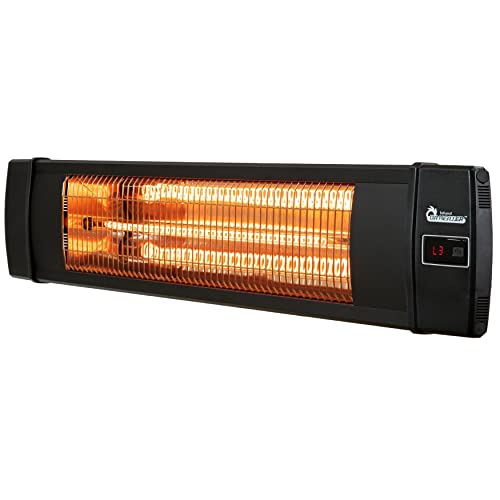
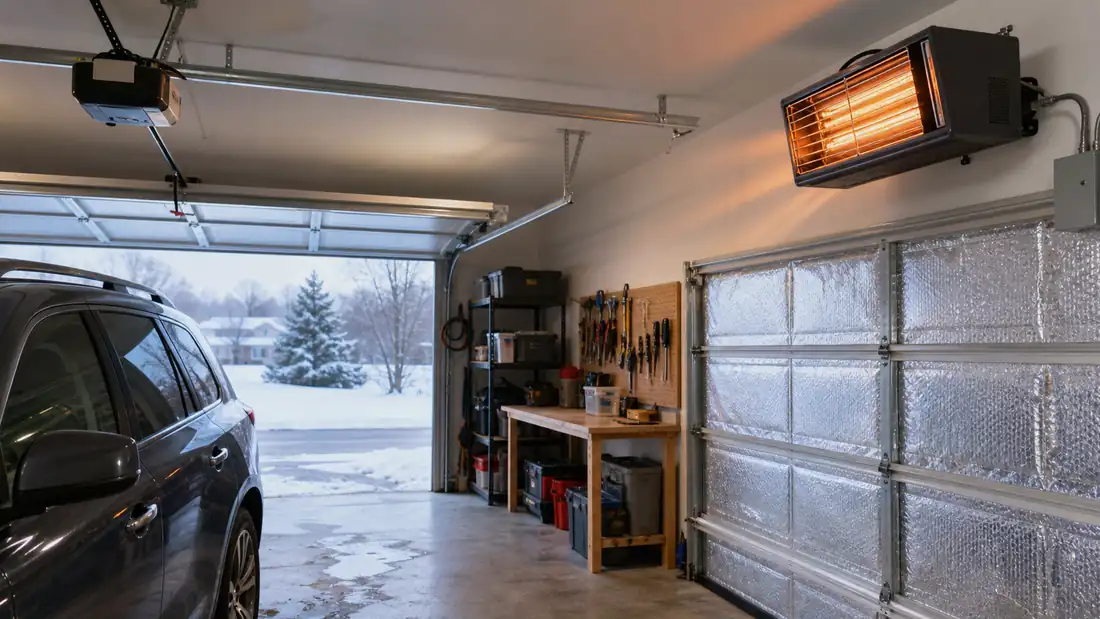
This infrared heater is a practical option for garages where people want direct warmth without waiting for the entire room to heat up. Infrared units warm objects and people in their line of sight, so they work best when you are standing or working in one area. The included wall and ceiling mounting bracket makes it easier to keep floor space open, which is useful in crowded garages. With three heat settings and a standard 120V plug, it is also simpler to use than many larger garage heaters that require special wiring.
What makes this model worth considering is its flexibility. It can be used indoors or outdoors, and the remote control adds convenience when the unit is mounted overhead. The trade-off is that it does not include a thermostat, so users looking for automatic temperature regulation may want a different style. Still, for spot heating, mounted use, and cleaner heat delivery, this is a sensible choice for many winter garage setups.
Pros:
- Produces instant infrared heat for quick personal comfort
- Mounts on the wall or ceiling to save floor space
- Runs on standard 120V power, which simplifies setup
- Three power settings add some flexibility
- Weather-resistant design supports indoor and outdoor use
Cons:
- No built-in thermostat
- Best for targeted warmth rather than whole-garage heating
- Not ideal for very large or heavily drafty spaces
This is a solid pick for people who need mounted heat and want a straightforward way to warm a working area quickly. It is less suited to users who want automated temperature control or a heater that can take care of an entire oversized garage.
Best for: Mounted spot heating in small to medium garages and workshops.
Shinic 2 Packs Electric Garage Heaters

This ceiling-mounted radiant heater setup is aimed at garages and workspaces where floor space is limited and directional heat is more useful than broad ambient warming. The quartz tubes heat up quickly and send warmth toward the area in front of the unit, which can be helpful over a workbench or in a section of a garage used for projects. The 90-degree adjustable angle gives users some control over where the heat goes, and the built-in halogen light is useful for late-evening work.
It stands out because the package includes two heaters, which may make sense for larger or divided spaces that need heat in more than one zone. The 5 mode settings also make it easier to pair light and heat use. The main limitation is that this is still a radiant, directional approach, so it is not the same as a full-room forced-air heater. If the goal is to warm people where they stand while keeping the floor clear, this is a useful design. If the goal is to heat every corner evenly, another style may work better.
Pros:
- Ceiling mount keeps the floor open
- Directional radiant heat works well for work areas
- Includes a halogen work light for visibility
- Five operating modes provide useful flexibility
- Safety features include overheat protection and ETL listing
Cons:
- Directional heat is not as even as forced-air heating
- Installation is more involved than plugging in a portable unit
- Best for zones, not large open garages with major drafts
This model makes sense for users who want overhead heat and light in one setup. It is especially useful in busy garages where the floor cannot be cluttered with a portable heater.
Best for: Garages, shops, and work areas that need mounted directional heat and light.
Dura Heat EUH1465 Electric Forced Air Heater
This compact forced-air heater is better suited to smaller garages, utility rooms, and workshop corners than to large open bays. It uses 1500 watts of PTC ceramic heating and a high-velocity fan to move warm air quickly through a limited area. The built-in thermostat is useful for users who want more control than a simple on-off heater provides. Because it is portable and relatively small, it can be moved where heat is needed most, then stored away when not in use.
It earns a spot here because it gives buyers an affordable entry point into garage heating without requiring a major installation. The steel housing is a plus in a work setting, and the fan-only mode adds some versatility beyond heating season. Its biggest limitation is size. The manufacturer lists coverage up to 250 square feet, which is fine for a small space but not enough for many full-size garages. For people with a compact garage or a single work zone, though, it is a practical and straightforward option.
Pros:
- Portable design is easy to move and store
- Built-in thermostat helps maintain more even comfort
- Fan-only mode adds seasonal flexibility
- Steel body is well suited to workshop use
- Compact size works well in small spaces
Cons:
- Coverage is limited compared with larger garage heaters
- Best for small areas, not open two-car garages
- Fan noise may be noticeable in quiet spaces
This is a sensible choice for smaller garages where portability matters and heat demand is modest. It is not the right pick for a drafty, oversized space, but it does cover a common use case well.
Best for: Small garages, personal work areas, and users who want a low-cost portable heater.
Newair Hardwired Electric Garage Heater

This is the most powerful true garage heater in the group, and it is built for spaces that are too large for typical plug-in units. With up to 10,000 watts of fan-forced heat and stated coverage up to 1,605 square feet, it is intended for oversized garages, workshops, barns, and similar spaces. The digital thermostat and two power settings help maintain steadier temperatures, which matters when the space is used for longer periods during winter. Its wall, ceiling, or countertop mounting options also give users some flexibility during installation.
It belongs on this list because it addresses a problem smaller heaters cannot solve: heating a large, cold space with enough output to matter. The remote control is also convenient in a high-ceiling or busy garage where walking back to the unit is inconvenient. The downside is that this is not a casual plug-in heater. It depends on 240V hardwired power, so it suits buyers who already have the electrical setup or are willing to add it. For large spaces that need serious heat, though, that trade-off is expected rather than unusual.
Pros:
- Very high output for large garages and shops
- Digital thermostat supports steadier temperatures
- Flexible mounting options help with placement
- Remote control adds convenience
- Built for heavier-duty, long-term use
Cons:
- Requires 240V hardwired installation
- Too powerful for small garages
- Installation is more involved than plug-in heaters
This is a strong fit for large spaces that need dependable winter heating and have the electrical capacity to support it. Buyers should expect a more permanent installation, but that is part of why it can handle bigger jobs.
Best for: Large garages, workshops, warehouses, and other high-demand spaces.
Garage Door Screen for Summer Heat Block

This insulated garage door curtain is not a heater, but it can make a real difference in winter by reducing drafts and slowing heat loss. It uses thick cotton filling, edge sealing, and a magnetic closure to create a barrier across the garage opening. That matters because garage doors are often one of the biggest sources of cold air intrusion. If the garage is used as a workshop, gym, or storage area, keeping more heat inside can improve comfort without increasing heater size or runtime.
The reason it belongs here is simple: better heat retention often matters as much as more heat output. This cover is especially useful for attached garages or for spaces that are heated intermittently. The magnetic closure is convenient for frequent use, and the blackout fabric adds privacy along with a small amount of noise reduction. The limitation is that it only fits well when the opening is measured correctly, and it does not replace a true heater. It is best thought of as a supporting product that helps any heating setup work more efficiently.
Pros:
- Reduces drafts through the garage opening
- Helps retain heat in winter
- Magnetic closure makes daily use easier
- Can improve privacy and reduce light
- Tool-free installation is relatively simple
Cons:
- Must be measured carefully for fit
- Does not heat the space on its own
- Best for garages with standard door dimensions
This is a practical add-on for readers who already have some heating in place but want to keep more warmth inside the garage. It is most useful when the garage door is a weak point in winter.
Best for: Garages that lose heat through a large door opening and need better insulation.
HADOR Reflective Window Film Insulation Roll

This reflective insulation roll is a useful winter upgrade for garages that have windows, side panels, or other thin sections where heat escapes easily. The foam core and aluminum foil layers are designed to reflect heat and reduce transfer through the surface. It can be cut to size with simple tools, which makes it adaptable for windows, doors, sheds, and even RVs. For a garage that is not fully insulated, sealing off these weak points can reduce the workload on the heater.
It stands out because it offers a low-cost way to improve thermal performance without replacing hardware or installing a dedicated heater. That makes it a good support product for garages that already have a heat source but still feel cold near the edges. The trade-off is that it is a manual project. Buyers should be comfortable measuring, cutting, and attaching the material with the included pads and tape. If you want a simple way to reduce winter heat loss in several spots at once, this is a sensible option.
Pros:
- Low-cost insulation help for multiple surfaces
- Easy to cut and fit to different openings
- Can reduce heat loss in winter
- Useful in garages, sheds, and other spaces
- Includes adhesive pads and tape for installation
Cons:
- Requires measuring and cutting
- Not a substitute for a heater
- Appearance may matter less in utility spaces than in finished rooms
This product makes sense when the garage has small insulation weak points that let winter heat escape. It is a support measure rather than a primary heating solution, but it can make a noticeable difference in a drafty space.
Best for: Garage windows, side panels, and other areas where heat loss is concentrated.
24P Garage Door Insulation Kit Panels

This insulation panel kit is aimed at larger garage doors, especially triple-width openings where simpler insulation products may not cover enough area. The 6 mm bubble-reflective panels are thicker than a basic foil roll, which can help reduce both heat loss in winter and heat gain in warmer months. That makes the product attractive for garages used as workshops, storage areas, or secondary living spaces where temperature swings are a problem.
It deserves a spot here because it is one of the more substantial insulation options in the group. Compared with a lightweight roll, the panel format can create a more complete barrier across a garage door. That said, this is more involved than hanging a curtain or cutting a small reflective sheet, and the price is higher. It is best for readers who want a more robust insulation project and are willing to spend the time measuring, cutting, and installing it carefully.
Pros:
- Thicker panel design than basic foil rolls
- Useful for large or triple garage doors
- Helps with both winter heat retention and summer heat blocking
- Can reduce sound and light transfer
- Weather-resistant construction supports garage use
Cons:
- Higher price than simpler insulation options
- Installation takes more planning and effort
- Best results depend on accurate measurement and fitting
This is a better match for larger garages where a fuller insulation upgrade makes sense. It is not the fastest solution, but it can improve the room’s overall efficiency more than lighter materials.
Best for: Large garage doors that need a more complete insulation layer.
NewAir Electric Space Heater for Garage

This 240V fan-forced heater is positioned for larger garages, sheds, and workshops that need more output than a small portable heater can provide. With a stated 5600-watt design and coverage up to 800 square feet, it sits in the middle ground between compact plug-in units and very large hardwired heaters. The adjustable thermostat helps it maintain a set temperature without constant attention, which is useful during winter projects or in spaces used on a regular basis.
It is a good fit for readers who already have a compatible 240V outlet and want a no-fuss industrial-style heater. Compared with the largest hardwired models, this one is a little more approachable for a moderate-size garage. Compared with a 120V portable heater, it offers much more capacity. The trade-off is that it still depends on the right outlet and is not a casual anywhere-you-need-it product. For users with the proper setup, it offers a practical balance of output and convenience.
Pros:
- Strong output for medium to large garages
- Thermostat helps maintain steady temperature
- Rugged build suits workshop environments
- Plug-in 240V design is simpler than hardwired models
- ETL certification and shutoff features support safer use
Cons:
- Requires a compatible 240V outlet
- Too much heater for very small garages
- Fan-forced design can be louder than radiant options
This is a practical choice for people who want substantial heat without stepping up to a top-end hardwired unit. It is best when the garage is already wired for 240V and needs regular winter use.
Best for: Medium to large garages with a 240V outlet already in place.
Comfort Zone 5000W Ceiling Mounted Garage Heater

This ceiling-mounted fan heater is designed for garages and storage areas where floor space should stay clear. Its 5000-watt output is more modest than the biggest hardwired units, but it still offers serious heat for a medium garage. The adjustable mounting angle and louvers help direct warm air where it is needed, which can make the heat feel more efficient in a workshop or parking area. The dual knob thermostat is straightforward, which will appeal to users who want simple control rather than a complex digital interface.
It has a place in this guide because it offers a middle-ground solution for buyers who want a permanent heater without going all the way up to a high-output commercial-style unit. The steel construction is a plus for durability, and the built-in safety cutoff adds peace of mind. The main limitation is the installation style. Like most ceiling-mounted garage heaters, it depends on the right wiring and is not as flexible as a portable heater. For steady winter use in a fixed garage, though, it is a sensible option.
Pros:
- Ceiling mount saves valuable floor space
- 5000W output suits many medium garages
- Adjustable angle helps direct heat
- Simple thermostat controls are easy to use
- Overheat protection adds a safety layer
Cons:
- Requires hardwired 240V installation
- Not as powerful as larger commercial-style heaters
- Best for fixed installations rather than portable use
This is a practical choice for readers who want permanent overhead heat and do not need the very highest output. It works well in garages where simplicity and space-saving matter as much as heating capacity.
Best for: Medium garages that need a fixed ceiling-mounted heater with straightforward controls.
How to choose a garage heater for winter
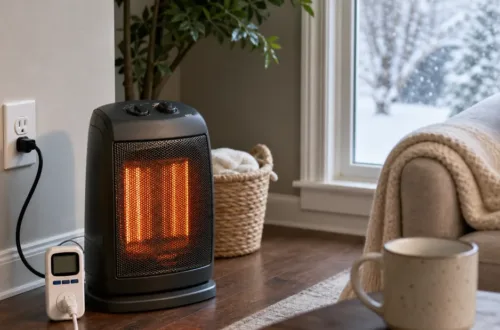
Garage heating works best when the heater matches both the room size and the electrical setup. A small portable heater can help with a compact one-car garage, but it may not be enough for a drafty two-car or three-car space. In larger garages, 240V fan-forced models are often more effective because they move more air and can maintain temperature better over time. Radiant and infrared heaters are usually stronger at warming people and objects directly, while forced-air units are better when you want the whole room to feel warmer.
Insulation also matters. If the garage door, windows, or side walls leak heat, even a powerful heater may seem underwhelming. That is why some buyers get better winter comfort by adding a curtain, film, or panel insulation kit before upgrading the heater itself. For many garages, the best result comes from combining moderate heat with better heat retention.
Common mistakes buyers make
- Choosing a heater that is too small for the garage size
- Ignoring whether the space has 120V or 240V power available
- Using a portable heater where a mounted or hardwired model would be safer
- Focusing only on heat output and overlooking drafts and insulation loss
- Buying a radiant heater when the goal is full-room warming
Frequently asked questions
What size garage heater do I need?
That depends on insulation, ceiling height, and the climate. A small, insulated garage may be fine with a 1500-watt heater, while a large or poorly insulated garage usually needs a 240V unit with much higher output.
Are infrared heaters good for garages?
Yes, if your goal is direct warmth in a work area. Infrared heaters are less useful when you want to warm the entire garage evenly.
Should I insulate the garage before buying a heater?
If the garage has a lot of drafts, yes. Insulation can reduce heat loss and make any heater more effective, which may save money over time.
Is a ceiling-mounted heater better than a portable heater?
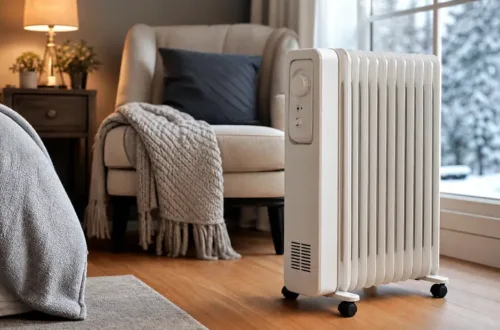
It depends on the space. Ceiling-mounted units save floor space and are good for permanent setups. Portable heaters are easier to move and may suit smaller or temporary uses better.
Final recommendations
The best garage heater for winter is the one that matches your space, power setup, and daily use. For direct mounted warmth, the DR. INFRARED HEATER is a practical option. For a large garage with 240V power, the Newair Hardwired Electric Garage Heater is built for more demanding spaces. If heat loss is the real issue, insulation products like the Garage Door Screen for Summer Heat Block or the HADOR Reflective Window Film can make a noticeable difference before you spend more on a bigger heater.
If your garage is small, portable, and only used occasionally, a compact heater such as the Dura Heat EUH1465 may be enough. If you are trying to heat a workshop or a larger year-round garage, a ceiling-mounted or hardwired unit will usually make more sense. Start with the size of the space and how much heat it actually loses, then choose the product that fits that problem most directly.