The wrong boot socks can make otherwise comfortable footwear feel cramped, damp, or abrasive. Thick socks are not automatically warmer, especially when they compress the foot or cause sweating. The right pair depends on boot volume, activity level, shaft height, and whether the priority is warmth, moisture control, cushioning, or…
Winter Clothing
-
-
A hiking beanie has to do more than feel warm at the trailhead. Once the climb begins, a thick casual hat can trap too much heat and moisture. A very thin running cap may solve that problem but provide little comfort during exposed rest stops. The right choice depends on…
-
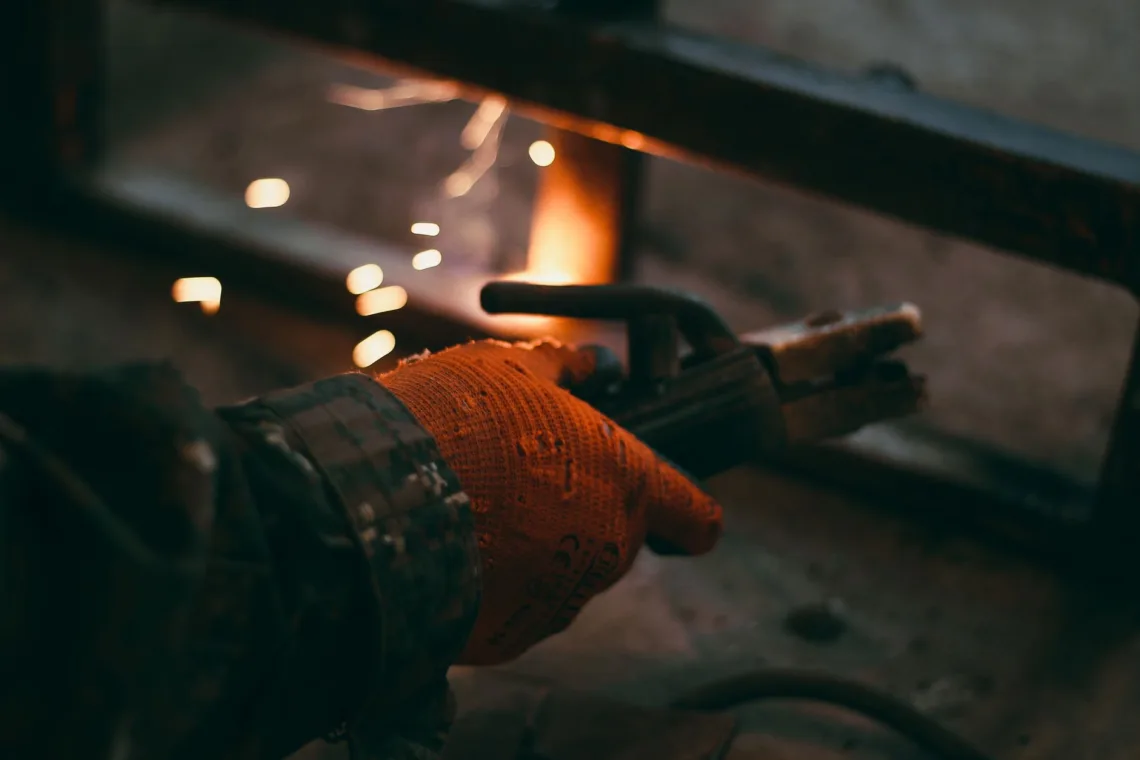
Cold hands can reduce grip, dexterity, and concentration long before a winter shift ends. Standard insulated gloves may help, but they often force workers to choose between warmth and the finger movement needed to handle tools, fasteners, controls, scanners, or phones. Heated gloves add battery-powered warmth, although their materials and…
-
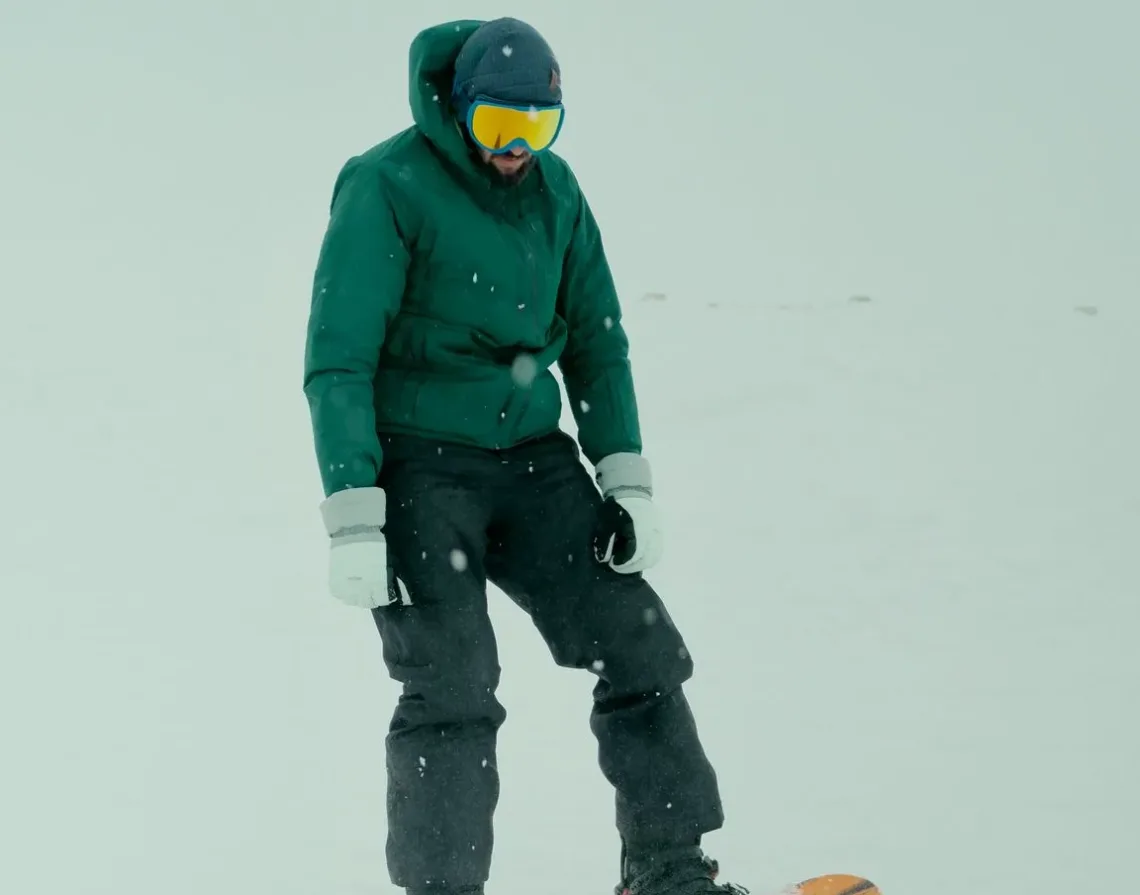
A snowboard jacket has to manage two competing jobs. It must block wind and snow on the lift, but it also needs to release heat when you are riding hard. Choosing solely by warmth can leave you sweaty, while choosing solely by waterproof ratings can overlook fit, ventilation, and snow-sealing…
-
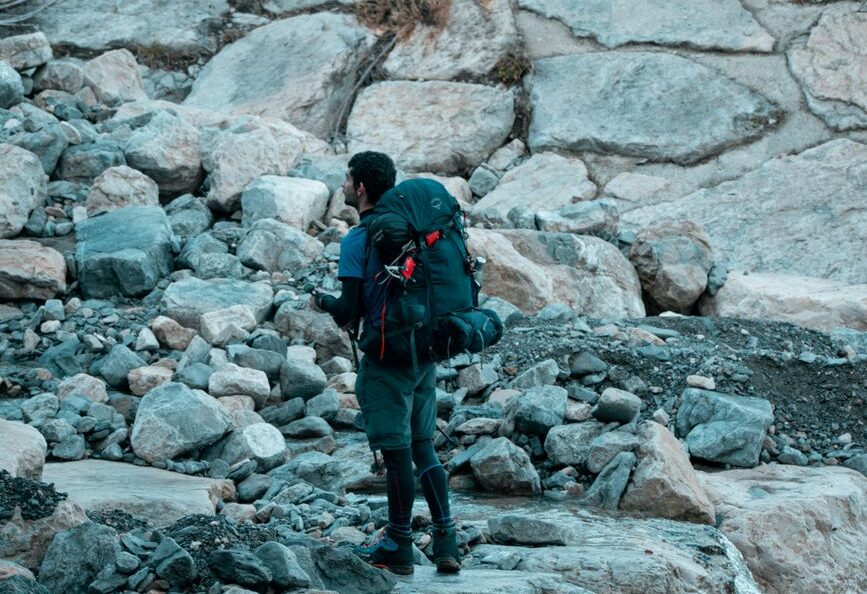
Extreme cold exposes a common layering mistake: choosing the thickest thermal underwear without considering sweat, activity, fit, or the rest of the clothing system. A heavy fleece layer can help during stationary work, but it may become damp and uncomfortable during a steep hike. A lighter, faster-drying layer can be…
-
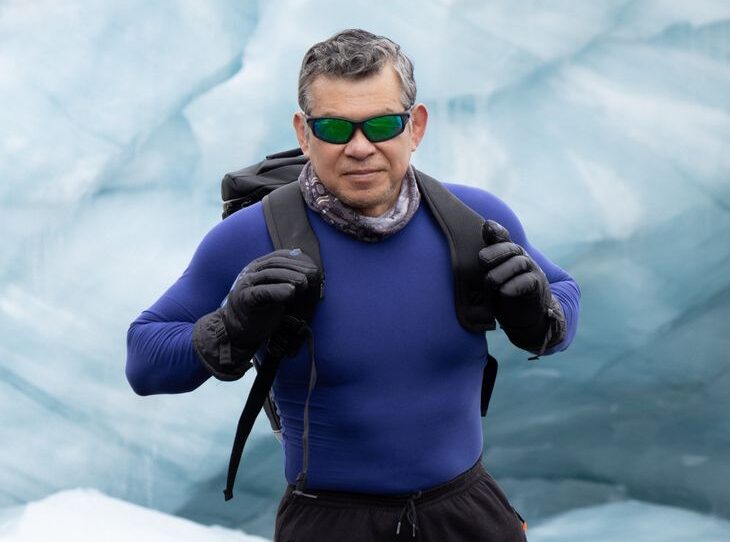
Thermal underwear works best when it matches both the weather and the wearer’s activity level. A thick fleece-lined set can be comfortable for outdoor work or long periods of low activity, but it may trap too much heat during a steep hike. A lightweight waffle-knit layer is easier to wear…