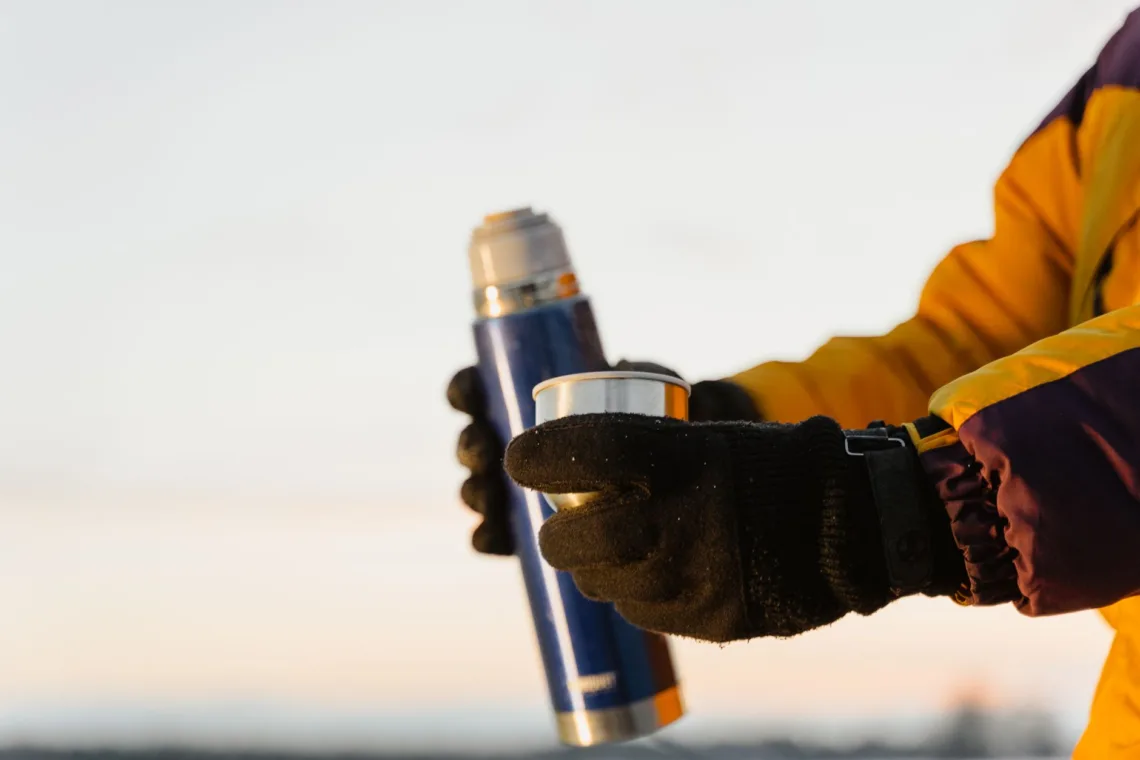
Extreme cold exposes a weakness in many hand warmers: a long advertised runtime does not necessarily mean strong heat in wind, low oxygen, or subzero conditions. Disposable warmers need airflow, while rechargeable models depend on batteries that can lose capacity as temperatures fall. The right choice depends on how long…
Winter Clothing
-
-
Snow bibs solve several problems that regular snow pants do not. The higher front and back provide extra coverage, shoulder straps help keep the waistband in place, and the design reduces the chance of snow reaching your base layers after a fall. The challenge is finding a pair that offers…
-
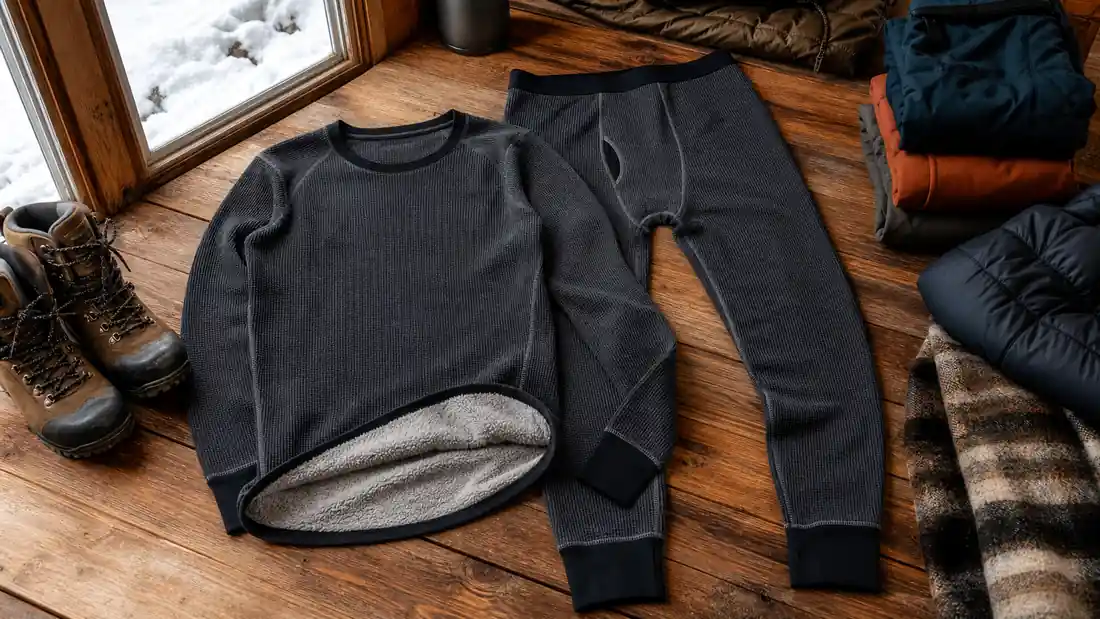
Extreme cold exposes the weaknesses in ordinary thermal underwear. A thin base layer may feel comfortable indoors but provide too little insulation during long periods outside. At the other extreme, a thick fleece set can trap so much moisture during skiing, hiking, or physical work that it becomes damp and…
-
Glove liners can add useful warmth without forcing you into a bulky pair of winter gloves. The challenge is choosing liners that fit comfortably inside the gloves you already own. A thick fleece liner may feel warm by itself but restrict circulation under a close-fitting shell, while an ultrathin silk…
-
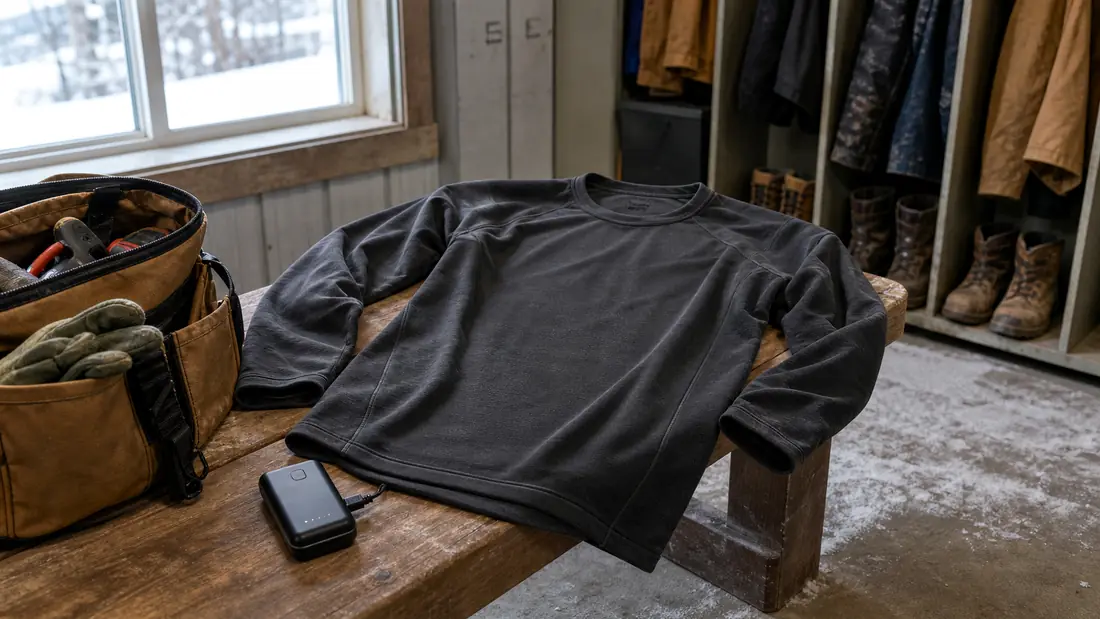
Shopping for the best heated shirt for work can be confusing because search results often mix battery-powered heated garments with ordinary moisture-wicking shirts. That distinction matters. A genuine heated shirt has built-in heating elements, a compatible battery connection, and adjustable heat controls. A standard polyester work shirt may help manage…
-
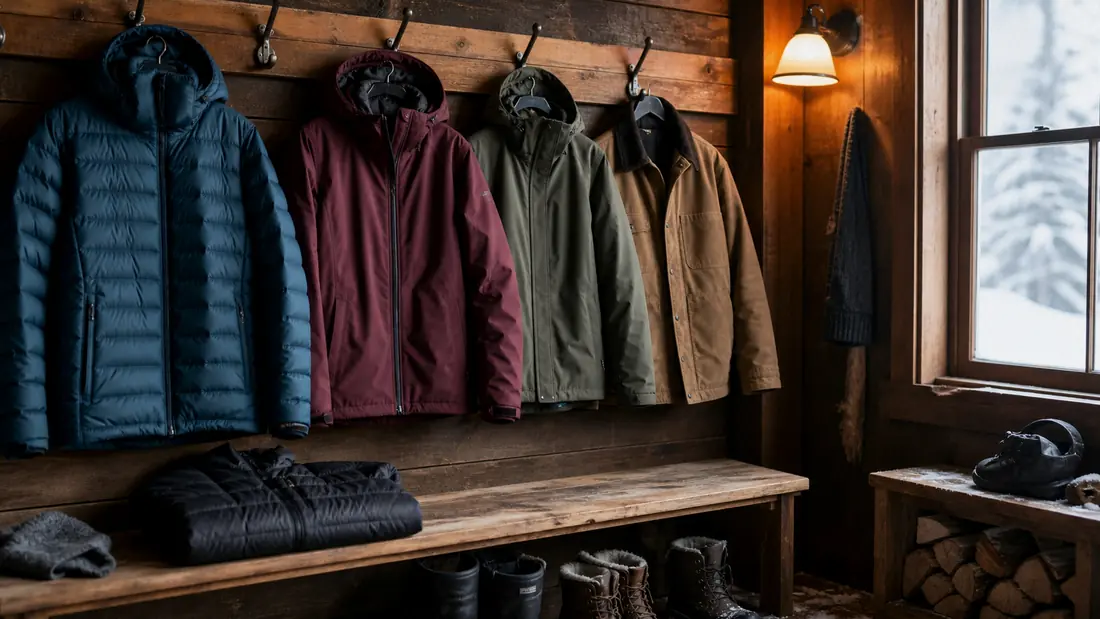
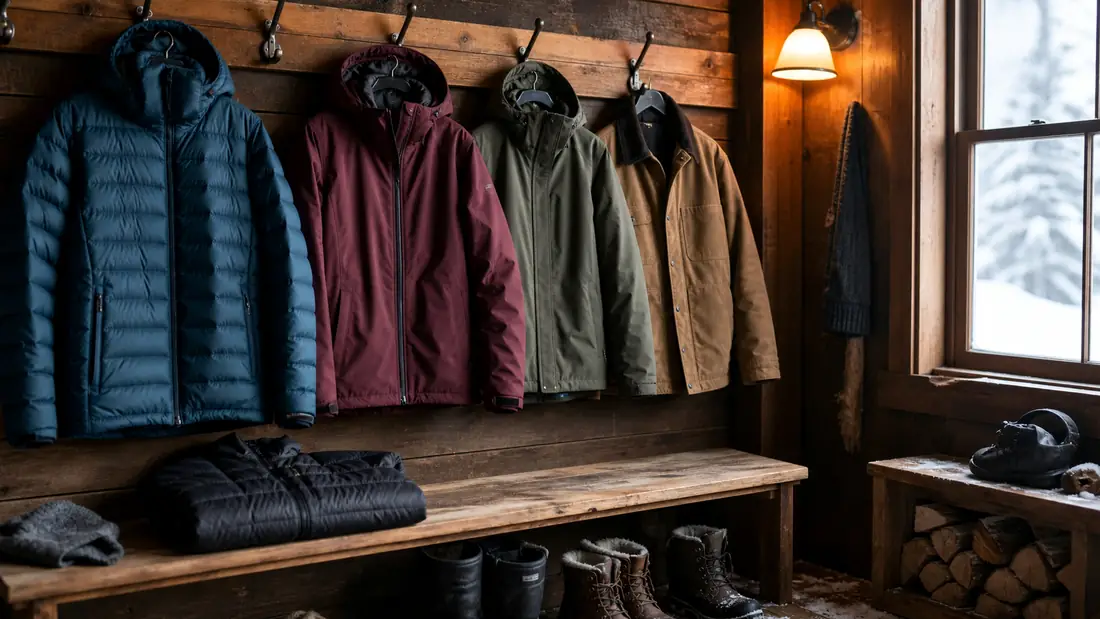
A work jacket has to do more than look appropriate on the job. It needs to allow comfortable movement, withstand routine wear, accommodate the right layers, and provide weather protection suited to the workplace. A jacket designed for a climate-controlled office will be very different from one intended for roadside…
-
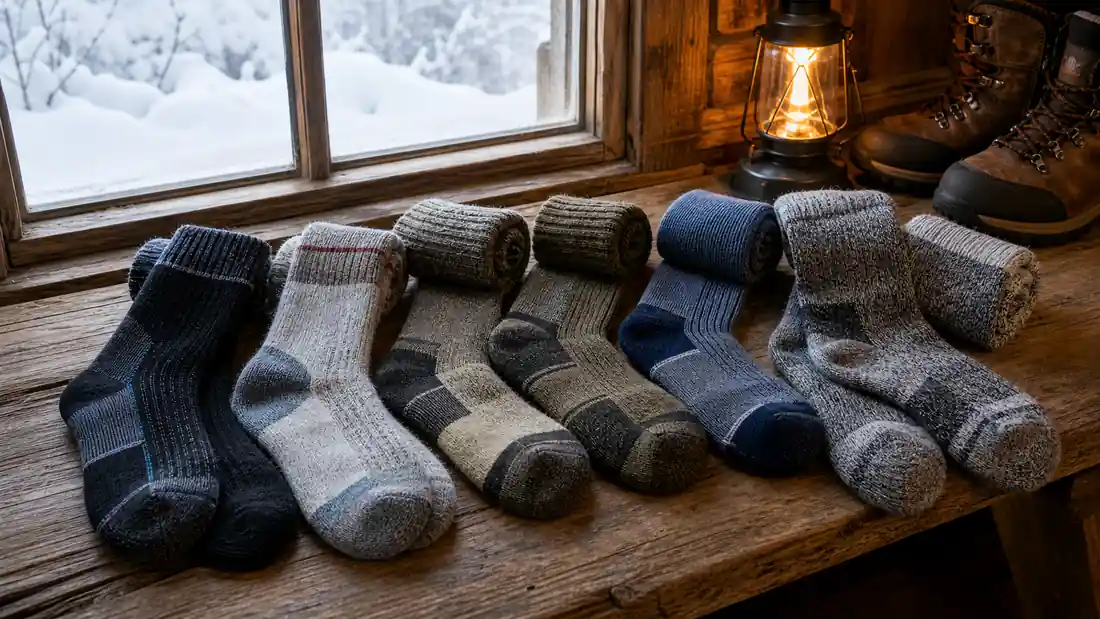
Cold feet are not always caused by socks that are too thin. Tight boots, trapped perspiration, poor circulation, and the wrong fiber blend can all make an otherwise warm sock perform poorly. In severe winter conditions, the right sock needs to retain heat without holding excessive moisture, cushion the foot…
-
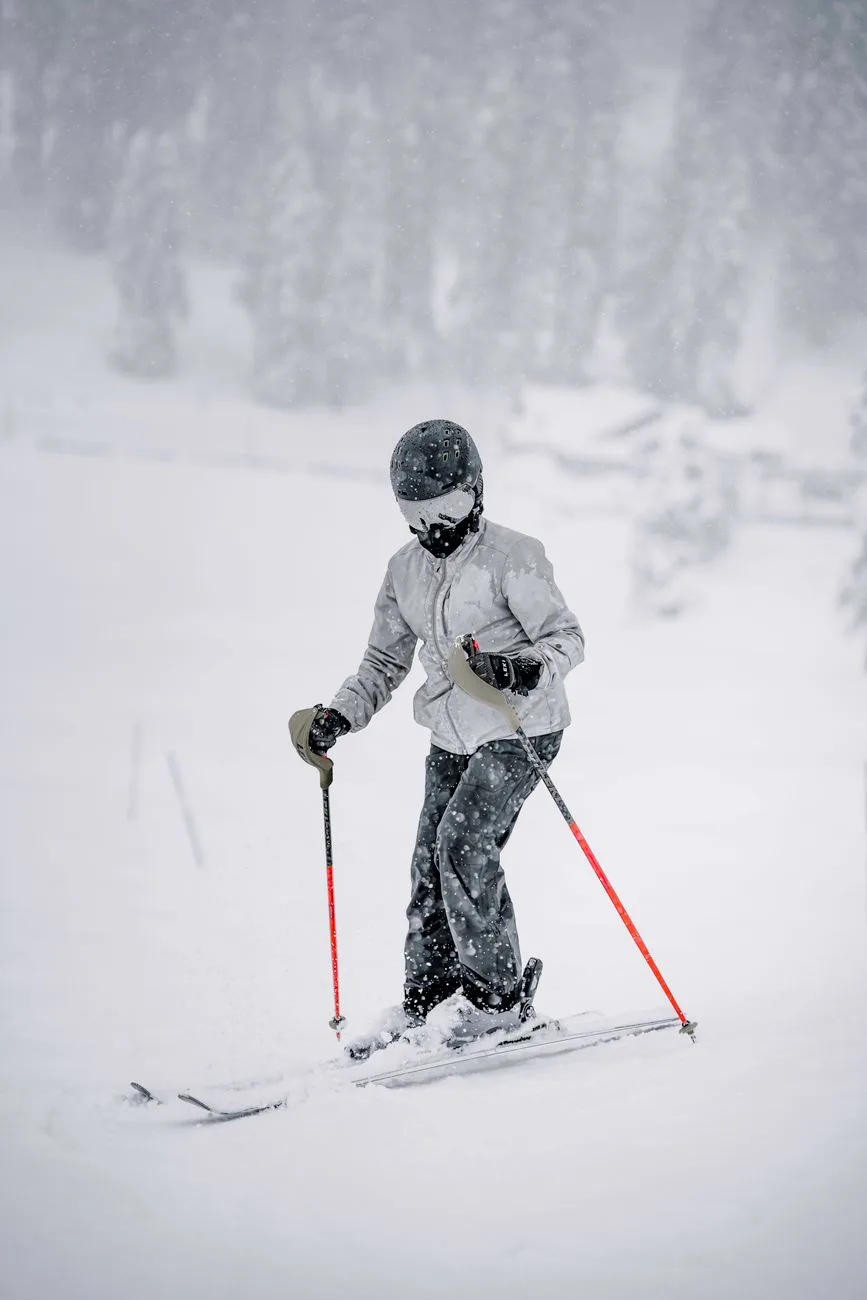
Ski pants can look warm and protective in a product photo yet still leave important questions unanswered. A waterproof label does not reveal whether seams are sealed, how long the fabric can handle wet chairlifts, or whether the cut leaves enough room for a base layer. Fit, mobility, wind protection,…
-
Insulated pants can make winter hiking, outdoor work, and snow sports more comfortable, but warmth alone does not determine whether a pair will work well. Heavy insulation can trap too much heat during an active climb, while a thin lining may be inadequate for long periods of standing. Shell construction,…
-
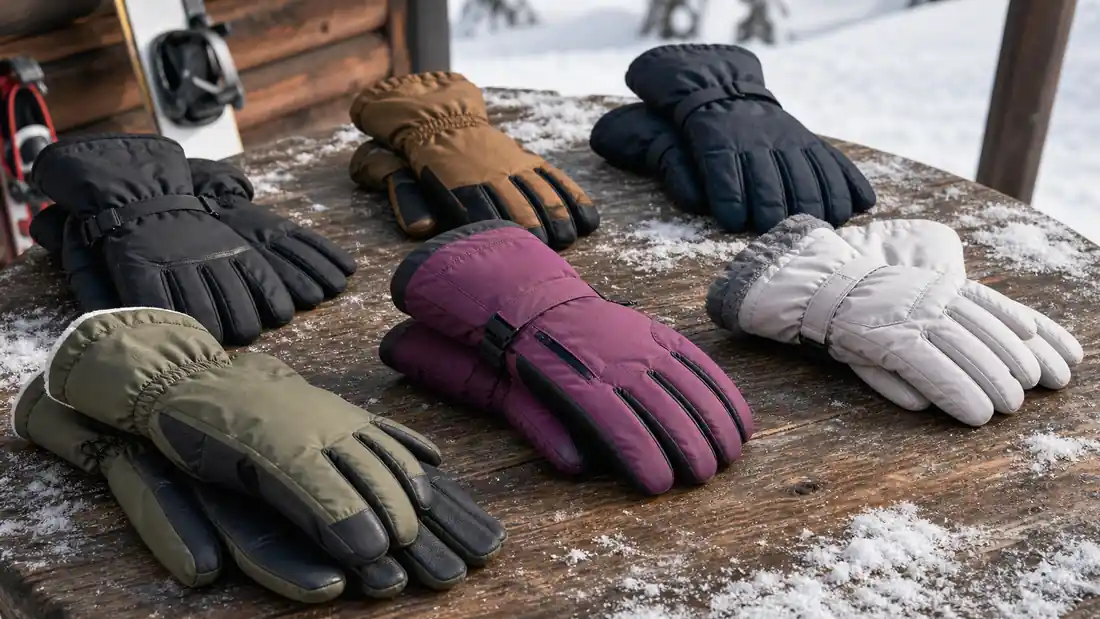
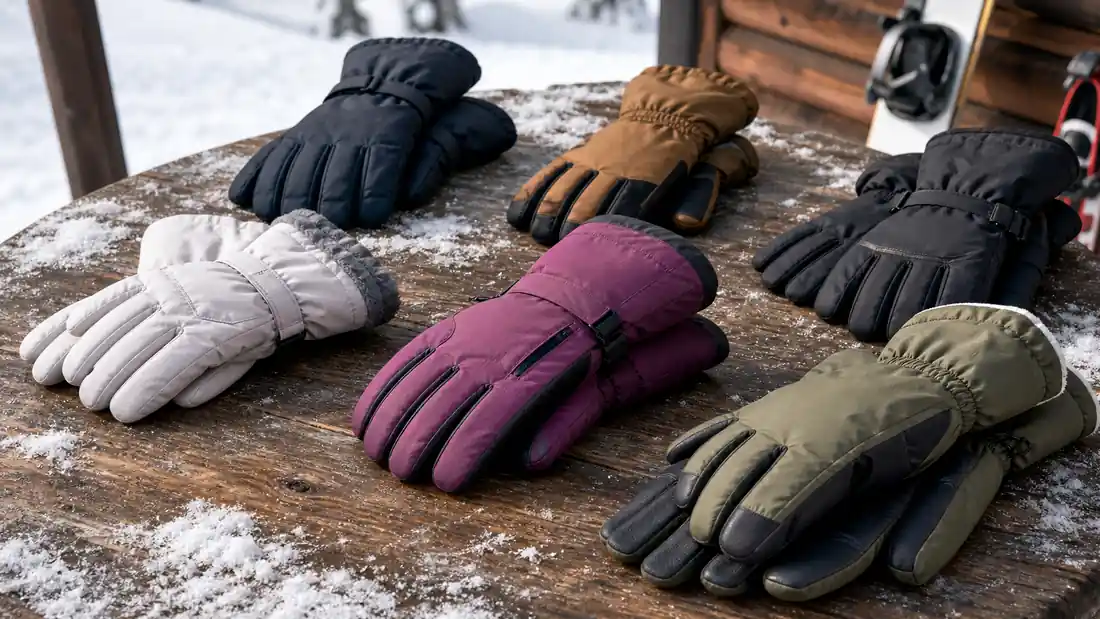
Wet gloves can turn an otherwise comfortable ski day into a cold, frustrating one. The challenge is that a “waterproof” label does not tell the whole story. Water may still enter through an open cuff, seams can wear over time, and sweat can leave insulation damp even when snow never…